







You must navigate the evolving landscape of electric vehicles (EVs) to stay competitive in the automotive industry. With the shift towards clean mobility, adopting effective strategies is vital for your success. This blog post outlines seven winning moves that will elevate your approach to EVs, ensuring that you not only meet market demands but also lead in innovation. Embrace these strategies to solidify your position as a forward-thinking automaker in the quest for sustainable transportation solutions.
Key Takeaways:
- Investing in diverse battery technologies can enhance vehicle performance and reduce costs.
- Building strong partnerships with charging infrastructure providers is crucial for improving consumer accessibility and convenience.
- Implementing sustainable supply chain practices will not only comply with regulations but also appeal to environmentally conscious consumers.
The Importance of an EV Strategy
In today’s competitive automotive landscape, a robust EV strategy is vital for staying ahead of both consumer demands and technological advancements. As the shift towards electrification accelerates, the ability to address market trends and regulatory requirements can significantly differentiate your brand and ensure sustainable growth.
Market Trends and Consumer Demand
Current trends indicate a growing preference for electric vehicles among consumers, driven by environmental concerns and technological advancements. In 2021, global electric vehicle sales surged by over 100%, reflecting strong market momentum. As consumers become more conscious of their carbon footprint, the demand for zero-emission vehicles will likely increase, presenting opportunities for automakers to innovate and capture market share.
Regulatory Pressures and Incentives
Government regulations increasingly mandate reductions in greenhouse gas emissions, pushing automakers to prioritize EV development. Many regions offer substantial incentives for EV purchases, making these vehicles more accessible to consumers. Compliance with regulations not only shields your company from potential fines but also positions it as a responsible leader in clean mobility.
Regulatory frameworks are evolving swiftly around the globe, with countries such as the United States aiming for significant reductions in emissions by 2030. The European Union’s Green Deal mandates a shift to electric mobility, setting aggressive targets for manufacturers. Incentive programs, such as tax rebates and grants, further motivate consumers to choose EVs, creating an vital market for your electric offerings. Companies that navigate these regulations successfully while enhancing consumer appeal can achieve a stronger market presence and greater brand loyalty. Understanding these dynamics will guide your strategic decisions in the rapidly shifting automotive environment.
Winning Move 1: Investment in R&D
Focusing on research and development (R&D) is vital for maintaining a competitive edge in the EV market. By allocating resources to innovative practices, you can explore new technologies, optimize existing systems, and enhance product quality. Leading automakers are ramping up their R&D budgets, with companies like Tesla investing over $1.5 billion annually, positioning them to pioneer advancements in electrification and sustainability.
Battery Technology Innovations
Innovating in battery technologies significantly impacts your EV’s efficiency and customer appeal. Solid-state batteries, for example, offer higher energy density and faster charging capabilities compared to traditional lithium-ion counterparts. Companies like Toyota are heavily investing in this technology, aiming to revolutionize the market with batteries that not only extend mileage but also reduce charging time, thereby enhancing the user experience.
Autonomous Driving Integration
Integrating autonomous driving capabilities with your EV strategy opens new avenues for market differentiation and customer engagement. By investing in advanced driver-assistance systems (ADAS), you can enhance safety and convenience, attracting a broader customer base. Major automakers are racing to incorporate AI-driven technologies, with companies like Waymo and GM leveraging extensive data to refine their autonomous solutions.
Autonomous driving integration extends beyond mere technology; it transforms user interaction and vehicle functionality. As customers seek advanced features, embedding AI-driven navigation and automatic emergency braking can elevate your EV’s appeal. Partnerships with tech companies like Waymo and Mobileye allow you to harness sophisticated algorithms, improving route efficiency and ensuring safety. Such investments not only position your brand as a leader in mobility but also foster trust in autonomous systems, encouraging wider adoption among hesitant consumers.
Winning Move 2: Collaborations and Partnerships
Strategic collaborations and partnerships are important for automakers to leverage innovation and enhance capabilities in the EV sector. By forming alliances with tech companies, you can gain access to cutting-edge technologies and expertise that accelerate product development. Furthermore, joint ventures can streamline production processes, reduce costs, and increase overall efficiency, paving the way for more scalable operations and faster market entry.
Alliances with Technology Companies
Partnering with technology firms enables you to integrate advanced software, artificial intelligence, and data analytics into your EV offerings. These collaborations enhance vehicle performance, optimize user experience, and create differentiated features that attract environmentally conscious consumers.
Joint Ventures for Production Efficiency
Engaging in joint ventures allows you to share resources, knowledge, and technology with other manufacturers, driving down operational costs and improving manufacturing processes. By pooling expertise, you can achieve better economies of scale and accelerate production timelines without compromising quality.
Joint ventures between automakers and established technology manufacturers, like the partnership between Ford and Google, highlight how shared resources can drive efficiency. This collaboration not only improves vehicle software capabilities but also enhances data-driven decision-making processes. Joint ventures can also facilitate shared access to battery production facilities, reducing costs and risks associated with scaling up EV production. In a changing market, these partnerships ensure that automakers remain agile and responsive to consumer demands, reinforcing your position in the competitive landscape.
Winning Move 3: Diversified Product Lineup
Expanding your vehicle offerings is crucial in the competitive electric vehicle (EV) landscape. A diversified product lineup allows you to cater to various consumer preferences, ranging from compact cars to larger SUVs, and even commercial vehicles. By doing so, you not only increase your market presence but also mitigate risks associated with fluctuating consumer tastes and market dynamics.
Range of Electric Models
Offering a wide array of electric models helps attract different segments of the market. For instance, you might include compact models for urban commuters, family-friendly SUVs, and high-performance luxury vehicles. Brands like Tesla and Ford have successfully showcased how a diverse range can meet consumer needs and drive sales, with Tesla’s popular Model 3 and Model Y appealing to different demographics.
Focus on Sustainable Materials
Integrating sustainable materials into your EV production can enhance your brand’s appeal and contribute to a greener future. By prioritizing recyclable plastics, bio-based composites, and eco-friendly fabrics, you reduce your environmental footprint. This practice not only attracts environmentally conscious buyers but also aligns with global sustainability goals.
Your focus on sustainable materials can significantly amplify your market positioning. Brands such as BMW and Volvo have embraced recycled materials in their interiors, showcasing commitment to sustainability without compromising on luxury or comfort. By using materials like recycled aluminum and natural fibers, you can report lower carbon footprints while appealing to eco-conscious consumers. This approach can thus serve as a sound investment in brand loyalty and long-term success in the clean mobility landscape.
Winning Move 4: Enhanced Charging Infrastructure
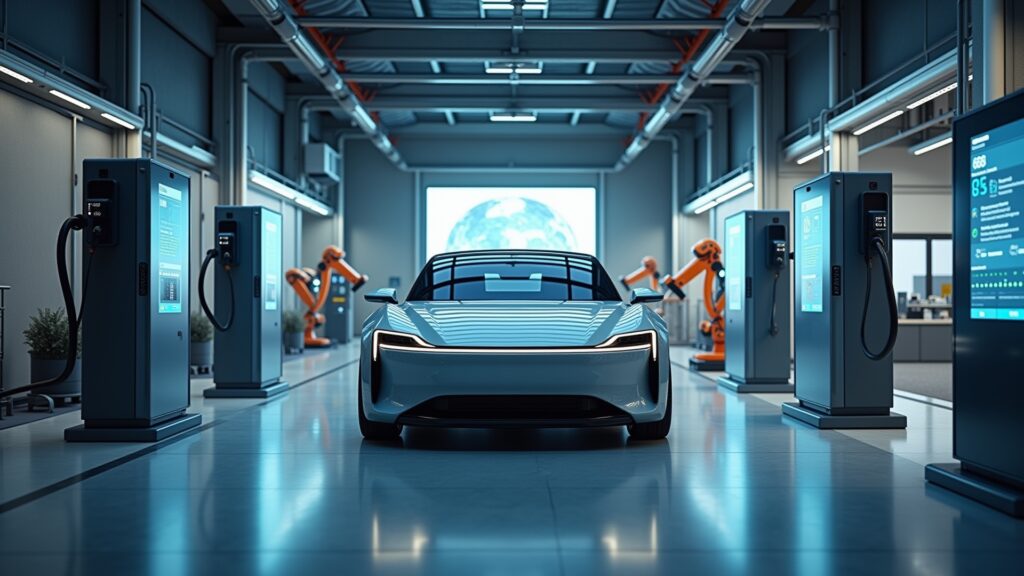
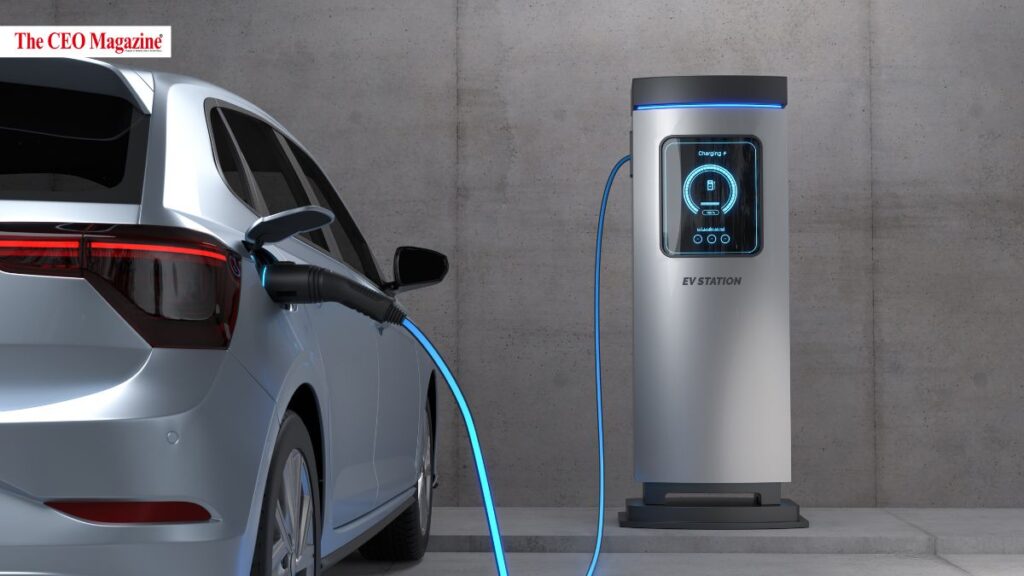
Investing in robust charging infrastructure is vital to support your electric vehicle strategy. By developing accessible, widespread charging stations, you enable customers to embrace EVs without range anxiety. This includes collaborating with government agencies and private stakeholders to create a seamless charging experience that rivals the convenience of traditional fuel stations.
Expanding Charging Networks
Broadening your charging network enhances customer confidence in EV adoption. Focus on partnerships with local governments, retail chains, and urban areas to install charging stations in high-traffic locations. You can also explore innovative solutions like mobile charging units and partnerships with existing gas stations to bolster accessibility.
Fast-Charging Solutions for Consumers
Fast-charging technology is pivotal to making EV ownership appealing. By prioritizing the development of high-power charging stations, you can significantly reduce the time required for a complete charge. This solution allows consumers to recharge during brief stops, merging convenience with environmental responsibility.
Fast-charging solutions are becoming increasingly sophisticated, with many new stations offering capabilities to deliver up to 350 kW, which can charge compatible vehicles to 80% in under 30 minutes. Investing in fast-charging infrastructure not only enhances user experience but also positions your brand as a leader in convenience and innovation. As demand rises, you can leverage data analytics to identify strategic locations, ensuring your charging network meets consumer needs.
Winning Move 5: Consumer Engagement Strategies
Effective consumer engagement is important for building brand loyalty and driving EV adoption. You need to create meaningful connections that resonate with potential buyers by educating them about electric mobility and addressing their concerns. This strategy not only involves effective communication but also fostering a community around your brand that encourages consumer participation and advocacy.
Education on EV Benefits
Providing clear and accessible information about the advantages of electric vehicles is vital. You should focus on addressing common misconceptions and highlighting benefits such as lower operating costs, reduced environmental impact, and advancements in technology. Educational resources, webinars, and interactive platforms can help demystify EV ownership and empower your audience to make informed decisions.
Incentives for Early Adopters
Motivating early adopters through targeted incentives can significantly boost your market entry. Offering financial rewards, trade-in bonuses, or exclusive leasing options are effective ways to encourage consumers to choose your EVs. Create a program that showcases the value of embracing clean mobility while making the initial switch more appealing.
Consider structuring your incentives to provide substantial benefits upfront, such as tax rebates or subsidized home charging installations. For instance, a recent study showed that automakers who offered incentives witnessed a 20% increase in early EV adoption. Bundling these incentives with other sustainable initiatives, like free charging for the first year, can enhance customer appeal and elevate brand loyalty while reinforcing your commitment to clean mobility.
Final Words
As a reminder, your EV strategy is pivotal to thriving in the evolving automotive landscape. By embracing these seven winning moves in clean mobility, you position your brand for success and sustainability. Focus on innovation, customer engagement, and partnerships to lead the charge toward a greener future. Implementing these strategies will not only enhance your competitive edge but also align your operations with global environmental goals, ensuring your business remains relevant and profitable in the long term.
FAQ
Q: What are the key strategies for automakers to successfully transition to electric vehicles (EVs)?
A: Automakers should focus on seven winning moves: investing in research and development for battery technology, forming strategic partnerships with tech companies, diversifying vehicle offerings, embracing sustainable manufacturing practices, establishing a robust charging infrastructure, enhancing consumer education on EV benefits, and adopting flexible pricing strategies to maintain competitiveness in the market.
Q: How can automakers effectively manage the supply chain challenges associated with EV production?
A: To manage supply chain challenges, automakers should diversify their supplier base to reduce dependency on single sources, invest in local sourcing to shorten supply chains, leverage advanced forecasting technologies to anticipate demand spikes, and collaborate closely with suppliers to ensure alignment on sustainability goals and production timelines.
Q: What role does consumer awareness play in the success of EV strategies for automakers?
A: Consumer awareness is pivotal as it drives demand for electric vehicles. Automakers need to implement comprehensive marketing campaigns that highlight the environmental benefits, cost savings, and technological advancements of EVs. Engaging consumers through testimonials, workshops, and test-drive events can significantly enhance their understanding and acceptance of electric mobility.