











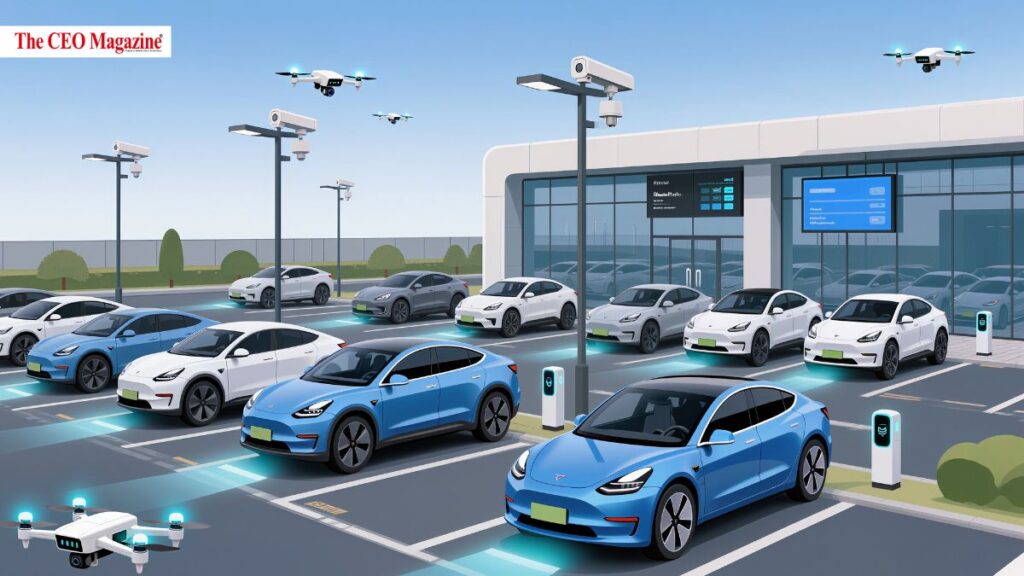
CEO, as the leader of your organization, understanding electric vehicle business models is crucial for navigating this rapidly evolving market. In this guide, you will explore various strategies that can help you capitalize on the electric vehicle trend, enhance your competitive advantage, and align your business with sustainability goals. By integrating these insights, you will be equipped to make informed decisions that drive growth and innovation in your electric vehicle initiatives.
Key Takeaways:
- Differentiate between business models such as direct sales, leasing, and subscription services to align with consumer preferences.
- Integrate sustainable practices into the supply chain to enhance brand value and comply with regulatory demands.
- Leverage partnerships and collaborations to expand market reach and enhance product offerings in the competitive EV landscape.
Understanding Electric Vehicle Business Models
Understanding electric vehicle business models involves analyzing how companies create, deliver, and capture value in this growing market. You must consider various economic dynamics, technology adoption rates, and customer preferences. Successful leaders identify and adapt these models to stay competitive while aligning with sustainability goals and consumer expectations.
Types of Electric Vehicle Business Models
Several business models have emerged in the electric vehicle sector, each catering to different consumer needs and market segments.
- Direct Sales
- Leasing Options
- Subscription Services
- Fleet Sales
- Charging Infrastructure Partnerships
After exploring these models, you can determine which aligns best with your organization’s strategy and your target market.
| Business Model | Description |
| Direct Sales | Customers purchase vehicles directly from manufacturers. |
| Leasing | Customers make monthly payments for vehicle usage without ownership. |
| Subscription | Flexible, all-inclusive options allowing customers to switch vehicles. |
| Fleet Sales | Selling vehicles in bulk to businesses for commercial use. |
| Charging Partnerships | Collaborations to enhance charging infrastructure for customers. |
Key Factors Influencing Business Model Success
You should consider crucial factors that significantly impact the success of electric vehicle business models, including market trends, regulatory frameworks, and technological advancements. These variables can dictate which model thrives in the current landscape.
- Government Incentives
- Consumer Awareness
- Technological Innovation
- Investment in Infrastructure
- Market Competition
Thou must understand these elements to tailor your strategy effectively. For instance, government incentives can drive consumer purchases, while advancements in battery technology directly influence operational costs.
- Market Demand
- Brand Recognition
- Customer Support Services
- Distribution Channels
- Price Competitiveness
Thou should regularly evaluate these factors to remain adaptable to shifts in consumer behavior and market conditions, ensuring your business model remains relevant and effective.
Exploring Different Types of Electric Vehicle Business Models
The landscape of electric vehicle (EV) business models is diverse, catering to various consumer preferences and market demands. Understanding these models helps you identify the best fit for your strategy. Key models include:
- Direct Sales
- Dealership Models
- Subscription Services
- Leasing Options
- Fleet Services
Assume that each model has unique benefits and challenges, which can significantly influence your organization’s approach to the EV market.
| Business Model | Description |
|---|---|
| Direct Sales | Selling vehicles directly to consumers, bypassing dealerships. |
| Dealership Models | Utilizing traditional dealerships for vehicle sales and service. |
| Subscription Services | Offering flexible vehicle access for a monthly fee. |
| Leasing Options | Long-term vehicle rentals with an option to purchase. |
| Fleet Services | Providing vehicles for commercial and corporate fleets. |
Direct Sales vs. Dealership Models
Direct sales models eliminate intermediaries, allowing you to maintain full control over pricing and customer experience. Automotive brands like Tesla have effectively employed this strategy, offering a streamlined purchasing process. On the other hand, dealership models leverage established networks, providing personalized service and local advantages, but might involve higher costs and less pricing flexibility.
Subscription and Leasing Options
Subscription and leasing options are gaining traction as they cater to consumers who prefer flexibility and lower commitment. These models allow users to access electric vehicles without the long-term commitment of ownership, often including maintenance and insurance in the package. This not only attracts individuals who may be hesitant to invest in a vehicle but also provides a refreshing alternative to traditional ownership.
Subscription services typically offer varied access to different EV models based on user needs and preferences. For instance, companies like Canoo and subscription plans from Volvo allow customers to switch vehicles depending on lifestyle changes or preferences, making it highly appealing in today’s rapidly evolving market. Leasing provides a more stable, predictable cost structure, ideal for those who want a new vehicle every few years without the hassle of ownership. This flexibility can broaden your customer base and encourage greater adoption of electric vehicles.
Tips for Implementing Successful EV Business Models
Implementing successful EV business models requires a multi-faceted approach that integrates market dynamics, technology trends, and consumer behaviors. Consider the following tips:
- Conduct thorough market research.
- Leverage consumer insights to tailor offerings.
- Explore innovative financing options.
- Establish robust supply chain partnerships.
- Utilize data analytics for consumer behavior tracking.
After developing a comprehensive strategy, continuously adapt and refine your approach based on market feedback and emerging trends.
Market Research and Consumer Insights
To thrive in the EV sector, prioritize in-depth market research and consumer insights. Analyze trends in EV adoption, charging preferences, and demographics to align products with consumer needs. Engaging actively with potential customers can reveal unmet desires and foster loyalty, giving you a competitive edge. Utilizing surveys, focus groups, and data analytics will help fine-tune your offerings and marketing strategies.
Strategic Partnerships and Collaborations
Forming strategic partnerships is vital for sustainable growth in the EV market. Collaborate with technology firms, charging infrastructure providers, and local governments to enhance product offerings, streamline operations, and boost market access. By pooling resources, you can navigate regulatory challenges and reduce costs, ultimately creating a more appealing value proposition for customers.
Strategic partnerships can significantly broaden your reach and capabilities. For example, alliances with battery manufacturers can lead to advancements in energy efficiency, while collaborations with charging networks can help build a more seamless consumer experience. Notable examples include partnerships like that of Ford with Electrify America, which expands Ford’s charging infrastructure and enhances the customer experience. By leveraging existing expertise, you can position your business for future growth while also addressing sustainability challenges effectively.
Step-by-Step Guide to Transitioning to Electric Vehicles
| Steps | Description |
|---|---|
| Assessing Your Current Business Model | Evaluate your existing business structure and revenue streams to identify areas that can adapt to electric vehicle integration. |
| Developing a Transition Plan | Create a strategic roadmap that outlines the necessary steps, resources, and timelines for successfully implementing electric vehicles. |
Assessing Your Current Business Model
Start by thoroughly examining your current business operations, revenue streams, and customer base. Assess how your existing model aligns with the emerging electric vehicle market demands. Identify gaps that need bridging, whether it’s technological upgrades or shifts in customer preferences, to plan your transition effectively.
Developing a Transition Plan
Craft a comprehensive transition plan that includes specific goals, key performance indicators, and actionable steps for your electric vehicle integration. Factor in training for your team, partnerships with charging infrastructure providers, and customer outreach strategies to ensure a smooth rollout.
Your transition plan should encompass immediate actions and long-term strategies, focusing on aspects such as vehicle acquisition, staff training, and marketing outreach. For example, consider collaborating with local governments to leverage incentives for electric vehicles or creating pilot programs to engage early adopters in your market. Regularly reviewing progress against your roadmap will also help in making necessary adjustments based on market feedback and technological advancements.
Pros and Cons of Each Business Model Approach
Pros and Cons of Electric Vehicle Business Models
| Pros | Cons |
|---|---|
| High consumer demand for EVs | Significant initial investment required |
| Enhances brand image and sustainability | Complex supply chain management |
| Potential for recurring revenue streams | Rapidly changing technology landscape |
| Government incentives and subsidies | Regulatory compliance challenges |
| Variety of customer engagement opportunities | Market competition and pricing pressures |
| Adaptation to new business models | Consumer resistance to change |
| Potential partnerships with tech firms | Infrastructure development hurdles |
| Positive environmental impact | Limited battery lifecycle considerations |
| Options for customization and personalization | Higher maintenance costs for early models |
| Global trend towards electrification | Education gaps in consumer knowledge |
Advantages of Various Models
Each business model offers distinct advantages; leasing provides flexibility, while direct sales can enhance customer relationships. Subscription services appeal to tech-savvy consumers seeking convenience. Understanding these benefits allows you to tailor your approach to maximize market penetration and customer retention.
Potential Risks and Challenges
Despite the appealing aspects of electric vehicle business models, several risks and challenges can impact your success. From fluctuating battery costs to shifting consumer preferences, navigating this dynamic market requires agility and comprehensive risk management strategies.
The electric vehicle landscape is continually evolving, presenting ongoing uncertainties. Market volatility, particularly in battery production and materials costs, can threaten profitability. Additionally, your company may face regulatory hurdles as governments adapt laws to accommodate innovations. Consumer adaptation is necessary; resistance to new technologies could stifle demand. Keeping abreast of these challenges enables proactive risk mitigation, necessary for achieving your business goals.
Final Words
As you navigate the evolving landscape of electric vehicle business models, it is imperative to leverage the insights presented. Understanding the diverse strategies, including direct sales, subscription services, and innovative partnerships, allows you to position your company effectively within this competitive market. Embrace the opportunities for growth and innovation while adapting to shifting consumer preferences and regulatory demands. By focusing on sustainable practices and technological advancements, you can drive success in the electric vehicle sector and ensure your leadership stands out in this transformative era.
FAQ
Q: What are the key business models for electric vehicle companies?
A: Electric vehicle companies generally adopt several business models, including direct sales, subscription services, ride-sharing platforms, and fleet management solutions. Each model caters to different customer segments and market demands, influencing pricing strategies and revenue streams.
Q: How do charging infrastructure partnerships affect electric vehicle business models?
A: Partnerships with charging infrastructure providers enhance the value proposition of electric vehicle business models by ensuring customers have reliable access to charging stations. Such collaborations often lead to revenue sharing agreements and improved customer satisfaction, fostering loyalty and increasing adoption rates.
Q: What role does innovation play in the success of electric vehicle companies?
A: Innovation is central to the success of electric vehicle companies, as it drives technological advancements in battery efficiency, autonomous driving capabilities, and sustainable manufacturing practices. This continual innovation not only differentiates companies in a competitive market but also meets evolving consumer demands and regulatory standards.