











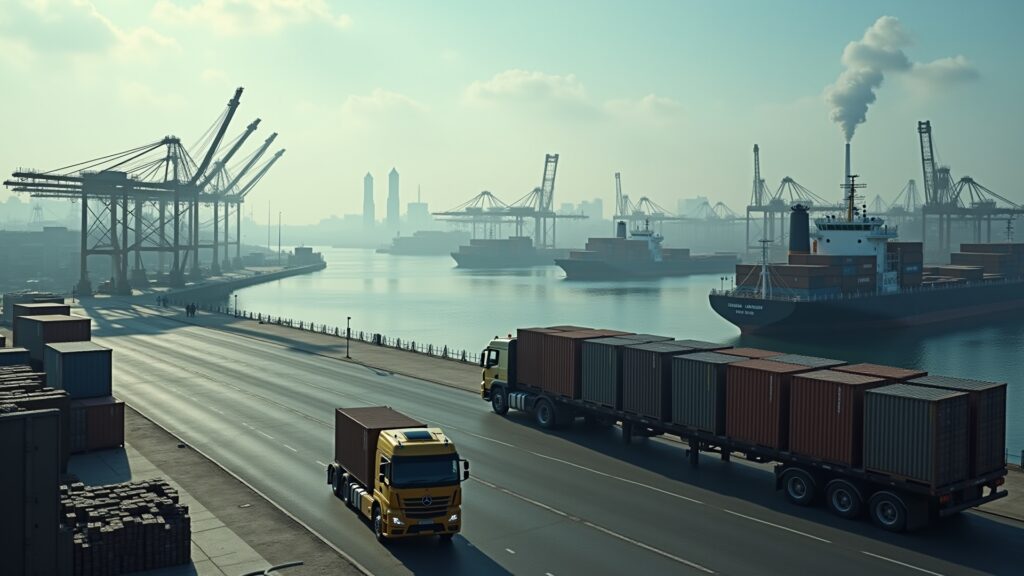
The recent geopolitical tension in the Strait of Hormuz is more than just a maritime headline—it strikes directly at the heart of your automotive business strategies and supply chain robustness. As you steer your enterprise through an increasingly complex global landscape, the disruption in this critical shipping corridor merits your immediate attention. This chokepoint funnels vital imports, including Technical Grade Urea, a chemical cornerstone in manufacturing auto components and supporting green mobility through agricultural emissions technologies critical to your market value chain.
Why This Matters to You
Whether you are a decision-maker within an OEM, component manufacturer, investor, or policy influencer, the unfolding situation threatens your ability to maintain production continuity, manage costs effectively, and uphold India’s growing stature as a reliable global automotive hub. The Technical Grade Urea shortage could ripple across your manufacturing timelines and cost structures, especially as you push deeper into EV, hybrid, and innovative mobility sectors demanding localised and resilient inputs.
What Is Happening in the Strait of Hormuz?
The Strait of Hormuz is a strategic maritime passage where a significant portion of India’s imported raw materials transit, including petrochemicals integral to producing Technical Grade Urea. This chemical facilitates key manufacturing processes in auto components and serves the agricultural segment that indirectly supports sustainable mobility through bio-fertilizers and emissions control.
Due to recent disruptions, the flow of these imports has been jeopardized, exposing vulnerabilities in supply networks dependent on geopolitical stability. The consequences extend beyond immediate supply delays, potentially catalysing price volatility and operational risks for Indian auto businesses and allied industries.
Impact on Your Automotive Manufacturing and Market Position
India’s automotive industry is at a transformation crossroads, aggressively scaling localisation and EV production while eyeing export market expansion. The reliance on critical inputs vulnerable to disruptions in the Strait of Hormuz challenges your ability to maintain competitive cost structures and production schedules.
For your auto component suppliers, this means heightened exposure to raw material shortages and cost pressures. These factors could slow your EV and hybrid manufacturing ambitions and undermine progress in local input sourcing, a pillar of India’s broader industrial strategy.
Strategic Insight: Why Supply Chain Diversification Is Non-Negotiable
As an automotive leader, investor, or policymaker, understanding the intersecting risks of geopolitical instability and supply chain fragility is key. This disruption should accelerate your efforts to diversify sourcing strategies, investing in alternative supply routes, and bolstering domestic production of essential inputs like Technical Grade Urea.
Building a robust chemical manufacturing ecosystem within India is not merely a production necessity but a strategic move to fortify emerging sectors, including EV battery production and green mobility technologies. Control over these facets enhances your leverage in global export markets, where reliability and cost efficiency are scrutinized keenly.
“In the automobile industry, speed is valuable — but strategic timing creates lasting advantage.”
Practical Takeaways for Automotive Decision-Makers
- Monitor Supply Chain Risks: Continuously assess geopolitical events impacting import routes like the Strait of Hormuz and their ripple effects.
- Invest in Localisation: Prioritize developing domestic capacity for critical chemicals and components to mitigate external shocks.
- Diversify Sourcing: Explore non-traditional supply routes and alternate trade partnerships to reduce chokepoint dependence.
- Align Strategy with Policy: Leverage government incentives aimed at strengthening supply chain resilience and chemical manufacturing.
- Prepare for Cost Volatility: Build flexible financial and operational strategies to absorb price fluctuations in raw materials.
“The real edge is not only in building vehicles, but in controlling the technology, supply chain, and customer experience behind them.”
Risks and Challenges Ahead
The key challenge you face is balancing short-term disruption management with long-term strategic investments. Building localisation and diversified supply chains requires capital, policy support, and time—factors that may strain your immediate margins and operational focus.
Moreover, geopolitical risks remain inherently unpredictable. Even robust supply chains can face exposure if new chokepoints emerge or trade patterns shift rapidly. Maintaining agility and foresight in strategic planning is essential to weather these uncertainties.
What You Should Watch Next
Keep an eye on developments in India’s chemical production ecosystem, government policy responses to supply chain stresses, and shifts in global trade dynamics affecting the Strait of Hormuz and alternate routes.
Simultaneously, track advancements in EV and hybrid supply chains, where localisation and alternative resource sourcing will be critical barometers of industry resilience and growth trajectory.
“When manufacturing strength, policy clarity, and market demand align, automotive growth becomes far more scalable.”
Conclusion: Protecting Your Competitive Trajectory Amid Strait of Hormuz Disruption
The Strait of Hormuz disruption impact on Indian auto supply chain is a stark reminder that your industry’s future hinges on more than just innovation and market demand. Your strategic advantage will depend increasingly on how effectively you mitigate geopolitical risk through supply chain resilience, localisation, and diversification.
By proactively integrating these imperatives into your business model, you safeguard production continuity, cost competitiveness, and India’s promise as a global auto manufacturing powerhouse in the EV and hybrid age. The path forward demands your strategic foresight, decisive investments, and an unwavering commitment to building a robust ecosystem capable of thriving amid global uncertainties.