

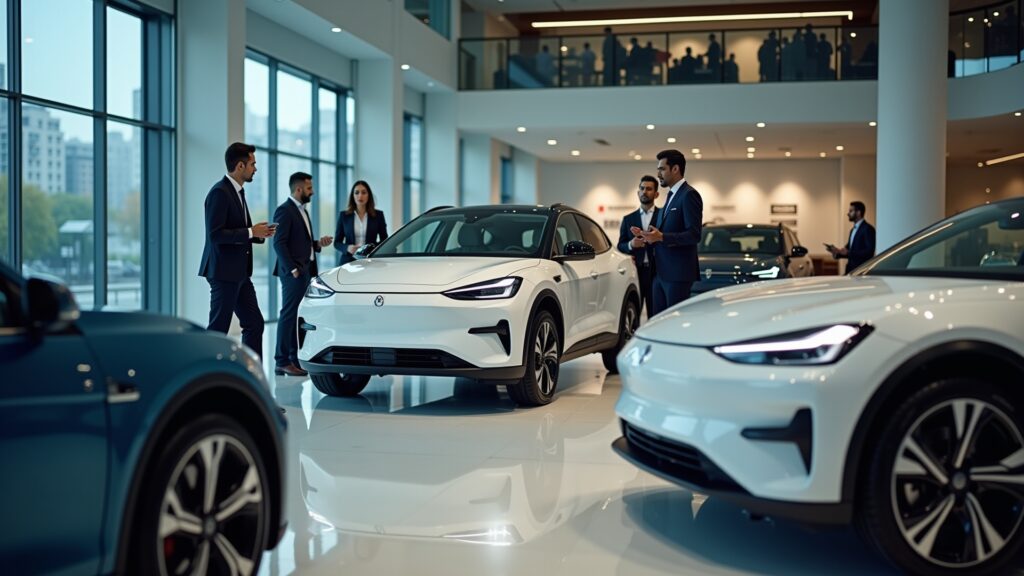










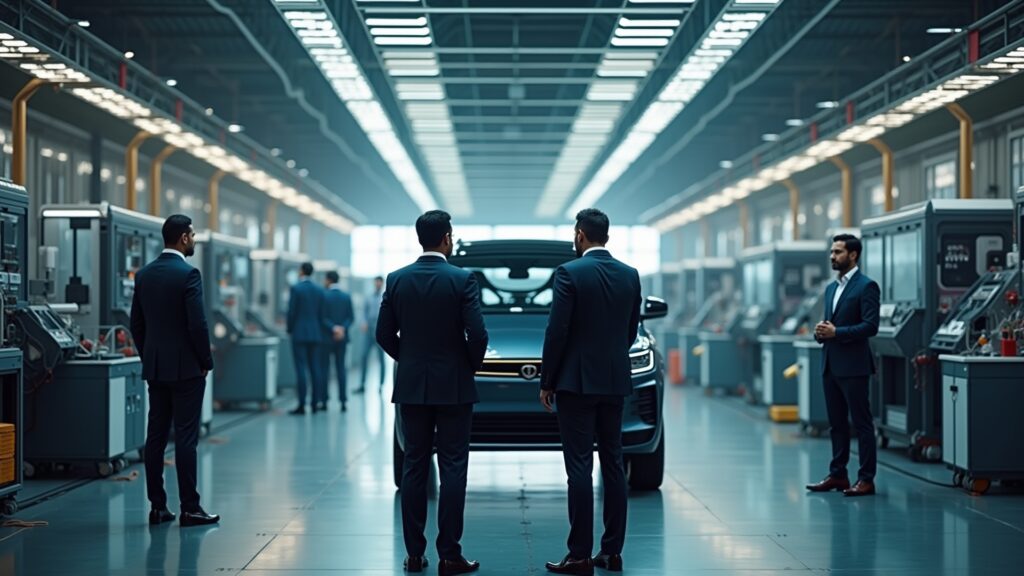
The forecasted expansion of India’s automobile market to USD 213.74 billion by 2031 is not just a number — it’s a strategic inflection point for you, whether you’re an OEM leader, investor, or policy strategist. This remarkable growth trajectory redefines India’s position in the automotive world, transforming it into a powerhouse of manufacturing, innovation, and market dynamism. Understanding this shift is critical for shaping your business decisions and investments in a sector marked by rapid transformation.
Why This Matters to You
As a key player or stakeholder in the automotive ecosystem, you stand to gain from India’s accelerating growth in multiple ways. This market forecast signals intensified demand across conventional, hybrid, and electric vehicle segments, opening diversified avenues for revenue and portfolio expansion. Moreover, it highlights India’s emergence as a hub for localisation, cutting-edge manufacturing, and global export — factors that can directly influence your supply chain resilience, competitive strategy, and profitability.
Ignoring these trends risks missing out on critical business advantages that come from aligning with India’s evolving automotive landscape — from policy incentives encouraging EV adoption to incentives for assembly and battery manufacturing.
What Is Happening in the India Automobile Market?
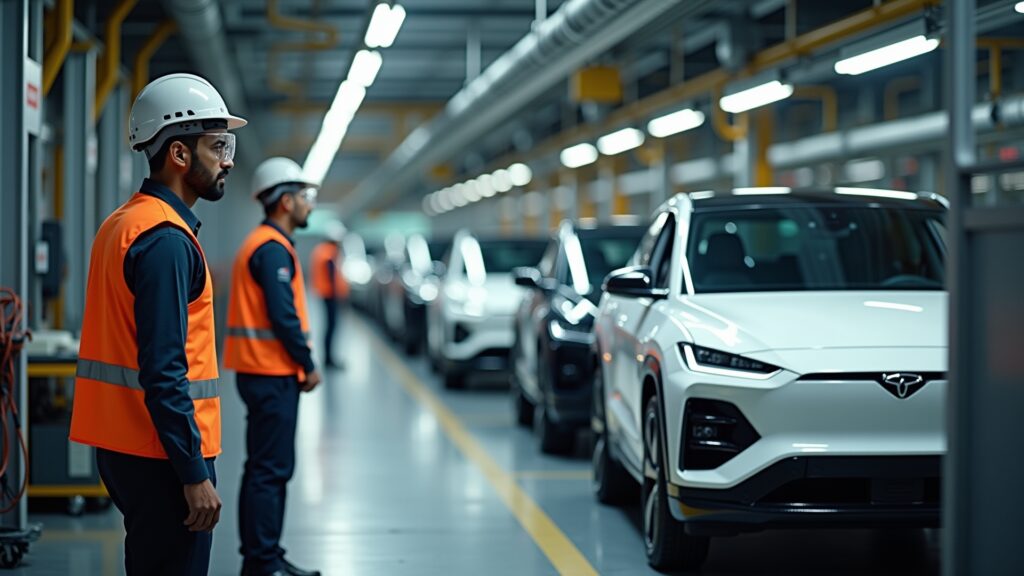
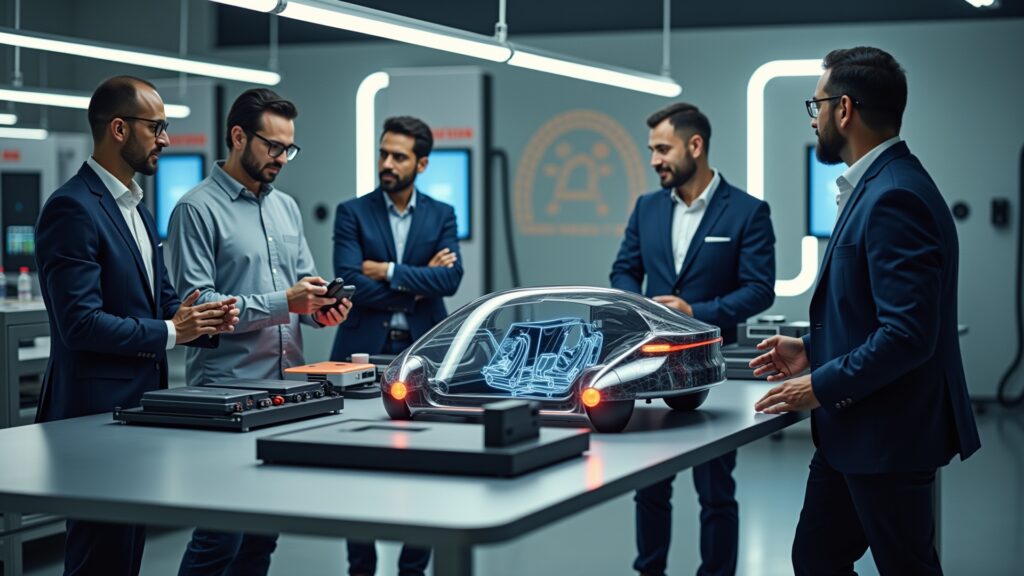
India’s projected automobile market growth is powered by transformative factors, including rising consumer demand, government push for clean mobility, and a robust shift toward EVs and hybrids. This diversification presents opportunities not just in vehicle sales but also in associated sectors like battery manufacturing, charging infrastructure, and software-defined vehicle technologies. Indian OEMs, meanwhile, are aggressively investing in advanced manufacturing processes, incorporating AI and Industry 4.0 technologies to enhance productivity and indigenize components.
At the policy and business ecosystem level, trade-friendly measures are amplifying India’s appeal as an export hub. Enhanced localisation, coupled with advancements in next-generation mobility solutions — including connected vehicles and digital platforms — further solidify India’s strategic position.
Key Business and Market Impacts You Should Recognize
- Diversified Demand Portfolio: You must prepare for the coexistence of ICE, hybrid, and EV segments, tailoring your product and investment strategies accordingly.
- Localisation and Supply Chain Resilience: Moving beyond cost benefits, focusing on indigenized sourcing can safeguard your operations against global disruptions.
- Export Growth Opportunity: As global demand for competitively priced vehicles rises, India’s strengthened export ecosystem offers a platform to scale internationally.
- Technology and Innovation: Adoption of software-defined features, connected mobility, and advanced manufacturing tools will separate leaders from laggards.
- Policy Alignment: Leveraging government incentives and regulatory clarity around EVs and localisation policy will be crucial for accelerated market access and cost control.
Strategic Insights: Positioning Yourself for Long-Term Success
India’s rising automotive market is more than consumption; it’s a complex ecosystem emerging with a distinct strategic DNA. You cannot afford to look at this as just a volume play. The real opportunity lies in embracing integrated strategies that combine localisation, sustainability, and advanced technology adoption.
Enhance your competitive edge by investing in:
- EV and hybrid platforms to capture early and sustained market share.
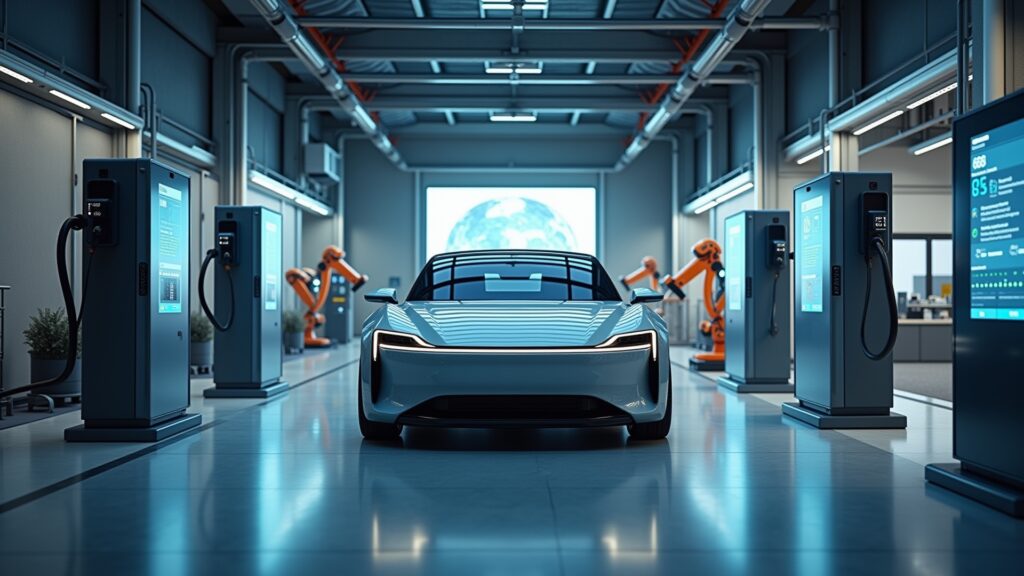
- Battery and charging infrastructure to control critical supply chain components and future-proof your operations.
- Software and connectivity innovations to offer differentiated customer experiences and create recurring revenue streams.
- Export-oriented production lines to leverage India’s improving global trade stance.
Remember: “The real edge is not only in building vehicles, but in controlling the technology, supply chain, and customer experience behind them.” This holistic approach will enable you to secure sustainable leadership in the evolving automotive sector.
Practical Takeaways for Automotive Leaders and Investors
- Monitor evolving consumer preferences, particularly the uptake of EVs and hybrids, to align product development timelines.
- Prioritize localisation efforts and relationships with component suppliers to mitigate risks tied to imports and international supply disruptions.
- Invest capital strategically in emerging sectors like battery manufacturing and EV infrastructure, which promise high growth.
- Forge partnerships and joint ventures focused on cutting-edge technologies and export capabilities.
- Stay abreast of policy developments and incentives around clean mobility and manufacturing localisation to capitalize promptly.
Expert Perspective
“In the automobile industry, speed is valuable — but strategic timing creates lasting advantage.”
“When manufacturing strength, policy clarity, and market demand align, automotive growth becomes far more scalable.”
“The complexity of the future automotive market demands that you think beyond production volume to innovation, integration, and global competitiveness.”
Risks and Challenges to Navigate
Despite the promising outlook, you must be cautious about potential pitfalls. Supply chain vulnerabilities remain, particularly in raw materials crucial for batteries and semiconductors. Policy and regulatory changes, although generally supportive, could shift with political or economic tides. You also face fierce competition both domestically and internationally, requiring clear differentiation and robust cost management.
Additionally, technology adoption can be capital intensive, demanding careful prioritization of investments to balance innovation with profitability.
What You Should Watch Next
Stay alert to these indicators as you plan for the future:
- Government policy updates on EV incentives, localisation mandates, and export promotion schemes.
- Technological breakthroughs in battery chemistry and charging infrastructure impacting cost and usability.
- OEM announcements signaling new platform launches, export targets, or strategic partnerships.
- Growth patterns in consumer demand across urban and rural segments, especially for electrified vehicles.
- Shifts in global trade policies affecting automotive supply chains and export competitiveness.
Conclusion
The India automobile market growth 2031 to USD 213.74 billion encapsulates a transformative opportunity and responsibility for you as an industry leader or investor. To thrive, you must integrate localisation, sustainability, technology adoption, and export-based growth into your strategic roadmap. This market evolution is not merely about scale—it’s about developing a resilient, future-ready automotive ecosystem that positions you at the forefront of a rapidly changing global industry landscape.