








As a leader in the automotive sector, you are no doubt aware that India’s emergence as a significant player in the global electric vehicle (EV) industry carries profound implications for your strategic decisions. India’s evolving manufacturing prowess and enhancing localisation ecosystem present a compelling export opportunity — but there’s a critical technology gap that you must address if your business aims to compete on the international stage. This article delves into where India stands today in EV export readiness, the technology challenges it faces, and what you can do to position yourself advantageously as the country pushes toward EV export leadership.
Why India’s EV Export Readiness Should Be on Your Radar
India’s automotive industry is no longer a back-office player confined to low-cost manufacturing; it’s pushing into electric mobility with intense focus. If you’re an OEM, investor, or supplier, understanding this transition is vital because it impacts global supply chains, competitive positioning, and investment priorities.
The Indian government’s Production Linked Incentive (PLI) scheme and Faster Adoption and Manufacturing of Hybrid & Electric Vehicles (FAME) subsidies have accelerated domestic EV production—building a foundation for export growth. Indian manufacturers have developed an advantage in cost-competitive vehicles tailored to price-sensitive markets abroad. But scaling beyond this segment requires confronting the underlying technology deficit.
What Is Happening in India’s EV Export Landscape?
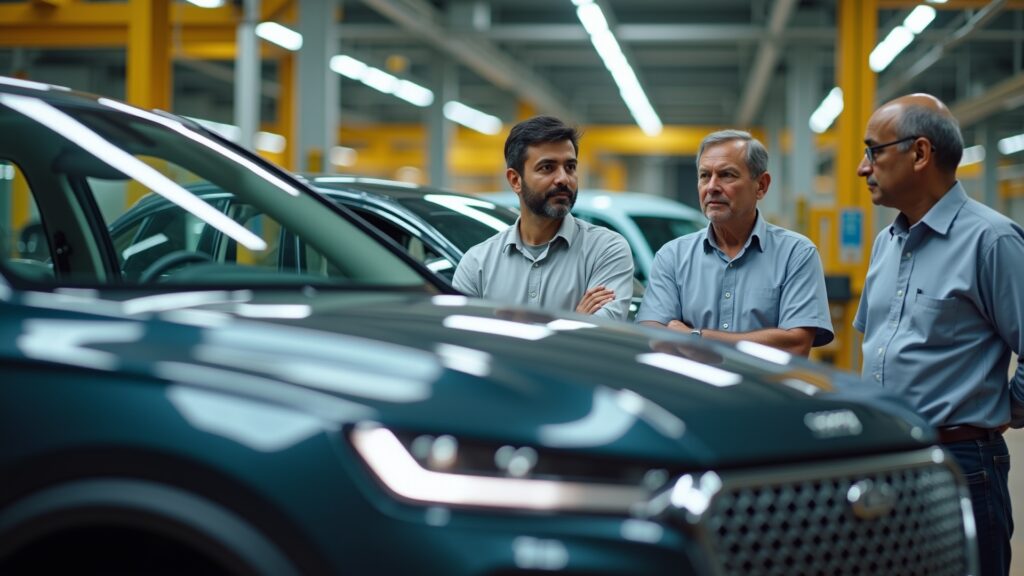
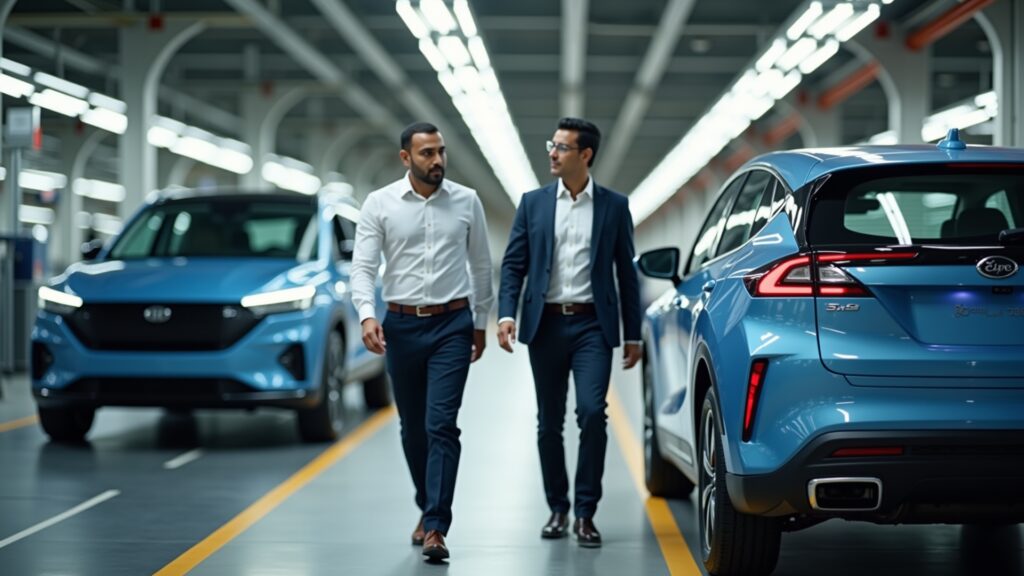
Recognising the global EV market’s growth trajectory and India’s manufacturing potential, you have seen increasing investment in local supply chains. Partnerships between OEMs and component manufacturers are localising key parts such as battery packs and powertrain electronics. Startups and established players alike are expanding their EV platforms, signalling a readiness to export to emerging markets that value affordability and basic EV functionalities.
However, this readiness is predominantly at the volume and cost level. The Indian EV export ecosystem still grapples with the advanced battery chemistries, software-defined vehicle features, and autonomous driving capabilities that premium markets demand.
Key Business and Technology Impacts You Must Consider
- Technology Development Gap: Limited domestic R&D on cutting-edge batteries and intelligent vehicle software restricts India’s ability to supply globally competitive premium EVs.
- Supply Chain Constraints: Indian suppliers are evolving but face challenges in meeting global quality, safety, and regulatory standards consistently.
- Market Alignment: Current export strength focuses on cost-sensitive, emerging markets, but unlocking growth in mature markets depends on closing the technology gap.
- Policy and Infrastructure: While production incentives have succeeded, technology incubation and export facilitation require greater attention and investment.
Strategic Analysis: What This Means for You as an OEM or Supplier
In your position, a focused and balanced strategy is indispensable. Enhancing technological capabilities means investing aggressively in R&D for battery chemistry innovations and software-defined vehicle platforms. Consider forging international technology partnerships that accelerate knowledge transfer and co-development, reducing time-to-market risks.
Simultaneously, deepen collaboration within your supply chain ecosystem to improve localisation without compromising on stringent global standards. This dual approach safeguards cost advantages while enabling gradual entry into higher-margin segments globally.
“In the automobile industry, speed is valuable — but strategic timing creates lasting advantage.”
Practical Takeaways: Your Next Moves in the India EV Export Ecosystem
- Invest in Technology: Prioritise battery and vehicle software capabilities as core competencies in your product development strategy.
- Leverage Policy Incentives: Monitor government programs not just for production incentives but for technology incubation and export infrastructure support.
- Expand Market Focus: While consolidating in emerging price-sensitive markets, develop incremental sophistication to target premium export markets.
- Strengthen Supply Chain Partnerships: Collaborate closely with component manufacturers to align production quality with global standards.
- Explore Strategic Alliances: Seek global partners and investors interested in technology transfer and co-development to bridge gaps swiftly.
Expert Perspective on India’s EV Export Trajectory
“The real edge is not only in building vehicles, but in controlling the technology, supply chain, and customer experience behind them.”
“When manufacturing strength, policy clarity, and market demand align, automotive growth becomes far more scalable.”
Risks and Challenges You Should Navigate
Although the momentum is promising, be mindful of the risks. The rapid evolution of global EV technology puts pressure on Indian manufacturers to match innovation cycles without eroding margins. Supply chain disruptions and regulatory compliance issues in international markets could stall export progress if not proactively managed.
Additionally, navigating intellectual property rights and building indigenous innovation capabilities are critical to safeguarding technological independence and sustainable competitive advantage.
What to Watch Next: Key Indicators for Your Business Strategy
- Government policy developments expanding beyond production incentives to technology R&D and export facilitation.
- Emerging partnerships between Indian OEMs and global technology firms that accelerate product sophistication.
- Advancements in battery chemistry and software integration within Indian EV models poised for export.
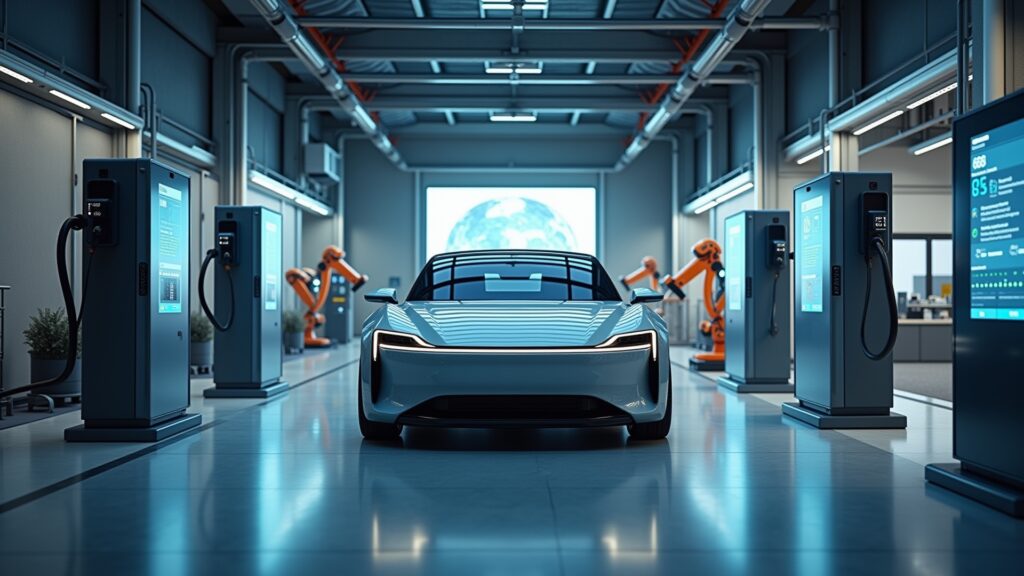
- Infrastructure developments in charging networks and battery recycling that support export sustainability.
Conclusion: Navigating Your Way to Leadership in India’s EV Export Market
India’s EV export readiness holds significant promise, but bridging the technology gap is essential for you to leverage this opportunity fully. By adopting a technology-centric growth strategy, investing in supply chain excellence, and aligning exports with market demands, you position your enterprise to lead in the global EV arena.
Remember, India EV export readiness technology gap is not just a challenge — it’s the defining frontier of growth and innovation. Your strategic response today will determine how effectively you can capitalize on India’s emergence as a global EV export powerhouse and shape the future of sustainable mobility worldwide.