







As the pulse of India’s luxury automobile market moves away from its traditional urban strongholds, you are witnessing a strategic realignment that could redefine growth trajectories across the automotive value chain. The surge in luxury car sales in Tier-2 and Tier-3 cities is not merely a market expansion—it’s an invitation for you as an automotive leader, investor, or policymaker to rethink how premium vehicles are designed, marketed, sold, and serviced.
Why This Shift Matters to You
If your business strategy or investment portfolio revolves around the luxury automobile segment, understanding the dynamics reshaping demand beyond Tier-1 metros is critical. These emerging urban centers are becoming powerful engines of growth, supported by rising disposable incomes, evolving consumer aspirations, and infrastructure upgrades. Ignoring this shift risks missing out on new revenue streams and competitive advantages that come with first-mover positioning.
Understanding the Emerging Demand Landscape
Historically, luxury auto sales concentrated in metropolitan areas with greater income density and established premium consumer bases. Today, however, Tier-2 and Tier-3 cities are accelerating luxury car adoption at an unprecedented pace. Improved road networks, expanding economic activities, and a new class of affluent buyers hungry for status and performance vehicles are key drivers of this trend. This geographical diversification marks a strategic inflection point for the automobile industry in India.
Strategic Business and Market Impacts
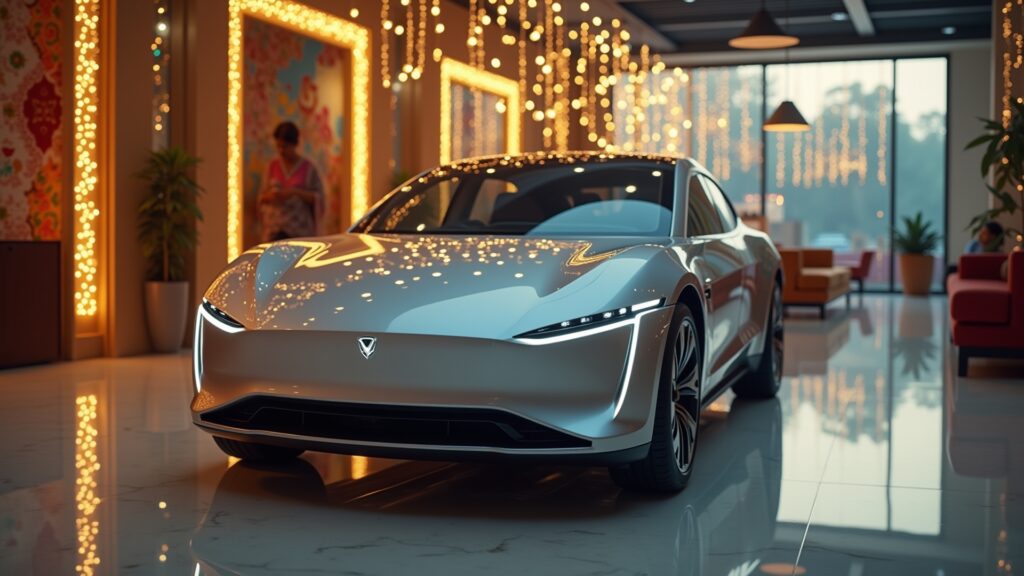
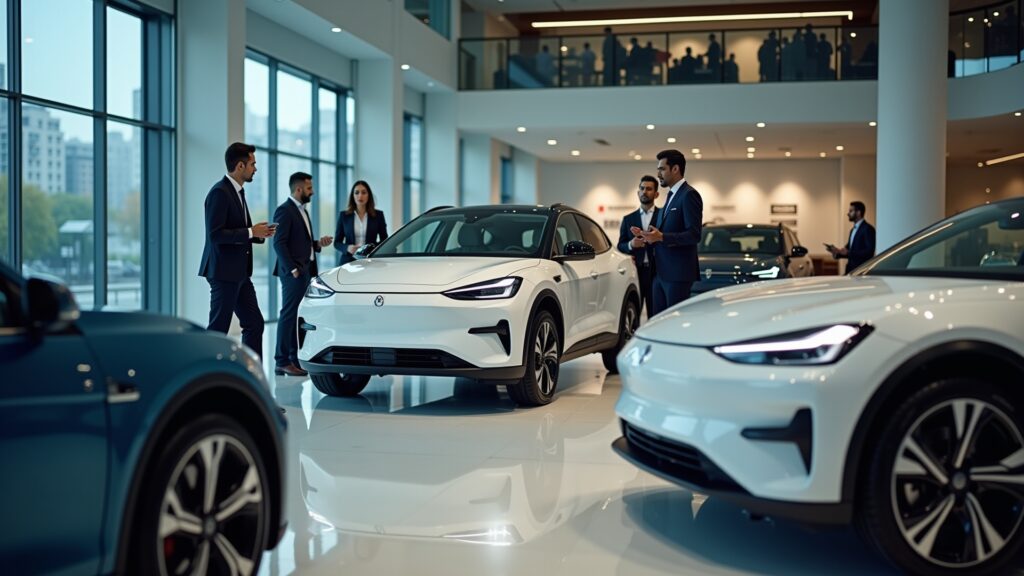
This demand diffusion compels original equipment manufacturers (OEMs) to recalibrate their market strategies carefully. You need to rethink dealership footprints, enhancing presence closer to these burgeoning demand hubs. Also crucial is tailoring product portfolios and financing schemes to align with the unique economic profiles and preferences in smaller cities. Your investment in customer experience must now extend beyond metros to capture these fresh markets.
Supply Chain and Localisation: Opportunities and Challenges
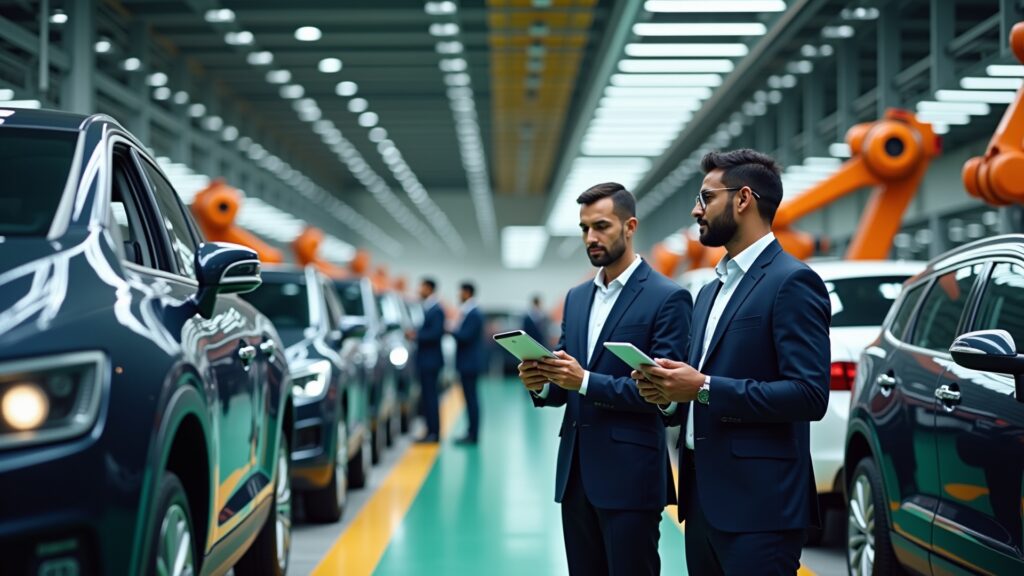
As luxury vehicle penetration increases in Tier-2 and Tier-3 cities, the auto component ecosystem faces pressure to boost localisation and optimize supply chain logistics. You must focus on building agile, responsive supplier networks capable of serving dispersed markets efficiently. This strategic localisation will improve operational resilience, reduce lead times, and help control costs, ultimately enhancing margins in a competitive premium segment.
Investment and Market Development Implications
The uptick in luxury car sales outside metros signals fertile ground for capital deployment in dealership expansion, product innovation, and after-sales infrastructure. You should evaluate these emerging markets for tailored offerings, including electric and hybrid luxury vehicles, to capture forward-looking demand. Smart investments here can elevate brand equity while also fulfilling growing customer expectations.
Strategic Insights: Aligning with Broader Industry Trends
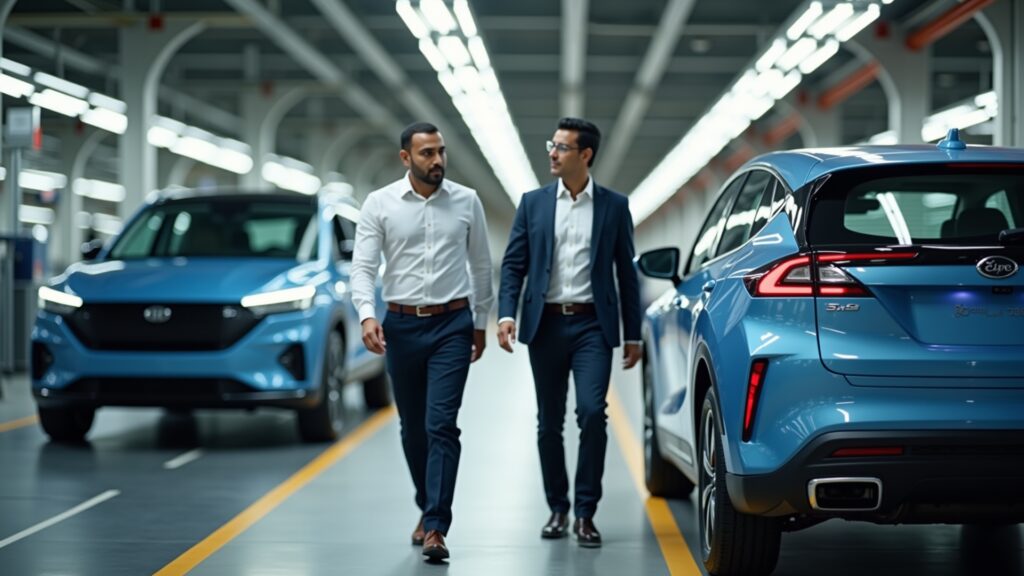
This geographical broadening dovetails with the overall premiumisation and diversification trends transforming the Indian automotive industry. Your approach must integrate product localisation, software-driven vehicle features, and ecosystem partnerships that support connected, software-defined luxury products. Furthermore, aligning your manufacturing footprint to serve these new centers will amplify India’s role as a hub for both domestic consumption and global export.
“The real edge is not only in building vehicles, but in controlling the technology, supply chain, and customer experience behind them.”
Practical Takeaways for Automotive Stakeholders
- Expand dealership networks to Tier-2 and Tier-3 cities with customized retail experiences.
- Adapt luxury vehicle portfolios and financing options to the purchasing power and preferences of emerging market customers.
- Invest in supply chain localisation to ensure swift, cost-efficient delivery and after-sales service.
- Leverage data analytics and connected technologies to anticipate and serve diverse consumer needs.
- Monitor policy developments and infrastructure projects that facilitate premium vehicle adoption beyond metros.
- Consider partnerships or joint ventures to accelerate market entry and innovation in these regions.
Risks and Considerations Moving Forward
While the expansion into Tier-2 and Tier-3 cities creates opportunities, it also presents challenges. You must be mindful of differing economic volatility, credit risk, and infrastructure limitations that could affect luxury vehicle demand sustainability. Additionally, excessive optimism without data-driven market understanding can lead to misallocated resources. Strategic caution and continuous market assessment remain essential.
“In the automobile industry, speed is valuable — but strategic timing creates lasting advantage.”
What You Should Watch Next
Keep a close eye on how OEMs are innovating retail models and financing frameworks tailored for these markets. Also, monitor emerging trends in electric and hybrid luxury vehicles as they become a crucial differentiator in these cities. Policy interventions aimed at easing vehicle ownership and enhancing charging infrastructure will further influence adoption rates and competitiveness.
Conclusion: Positioning for Leadership in a Changed Landscape
Your ability to adapt to the accelerating luxury car sales in Tier-2 and Tier-3 cities of India could define your competitive edge in the coming decade. These markets offer not just volume growth but also a testing ground for innovation, localisation, and futuristic vehicle technologies. Embracing this shift with strategic foresight, nimble operational models, and customer-centric approaches will help you unlock the full potential of India’s evolving luxury automobile ecosystem.
“When manufacturing strength, policy clarity, and market demand align, automotive growth becomes far more scalable.”
Understanding and integrating the trends in luxury car sales in Tier-2 and Tier-3 cities India is no longer optional; it is imperative for shaping the future of your automotive business.