













You stand at a pivotal crossroads in the Indian automotive sector’s unfolding narrative. As a key player—be it as an OEM executive, investor, supplier, or policymaker—you must grapple with an emerging challenge that will shape the future of your business and the industry’s global standing: supply chain vulnerabilities threatening to decelerate growth by FY2027.
Why This Matters to You
The implications of supply risks go far beyond production delays. These vulnerabilities directly impact your profitability, competitive positioning, and capacity to innovate, especially as India accelerates its EV and hybrid vehicle ambitions. Navigating these challenges effectively will be crucial to maintaining momentum in what is poised to be a transformative decade for the sector.
Unpacking What Is Happening
India’s automotive industry has long been a cornerstone of economic growth and employment, leveraging a robust local manufacturing ecosystem and rising export potential. However, the landscape is shifting. The anticipated moderation in growth by FY2027 is not a mere market downturn but a reflection of complex, systemic supply chain risks. Issues like scarcity of raw materials, geopolitical uncertainties, and the intense resource demands of electrification are testing the resilience of production supply chains.
The ongoing global disruption in semiconductor supplies and raw material availability threatens to inflate costs and stall production plans. Furthermore, the sector’s electrification drive adds layers of complexity—battery raw materials, semiconductors, and components must be sourced securely and at scale to avoid debilitating bottlenecks.
Key Business and Market Implications
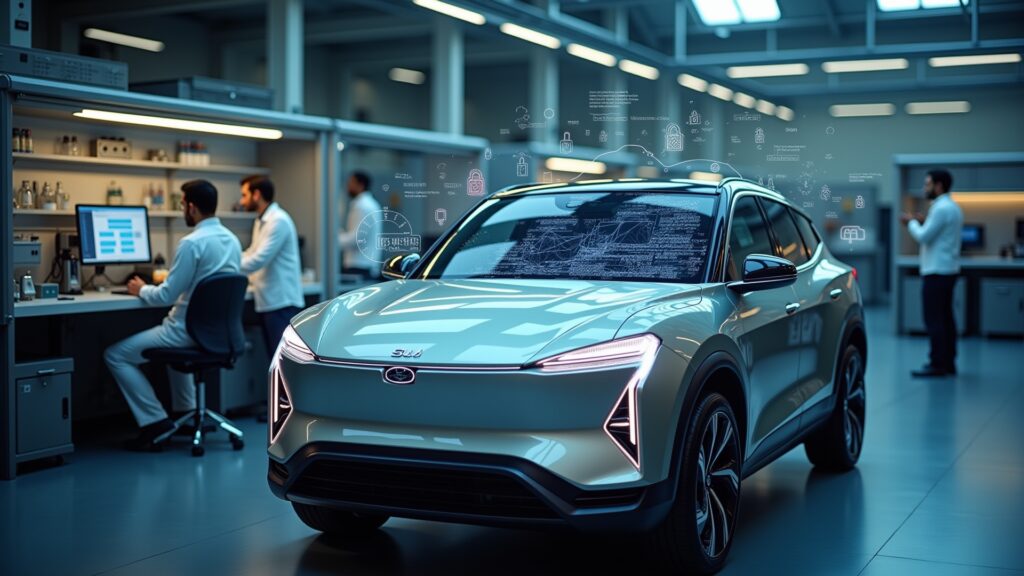
- OEM Strategy Realignment: Leaders must rethink supply chain models, integrating digital tools to gain end-to-end visibility and agility.
- Localisation Imperative: Accelerating domestic sourcing of critical inputs becomes necessary to reduce dependency on volatile global supply.
- Investment Shift: Capital allocation will increasingly favour entities demonstrating supply chain robustness alongside product innovation.
- Policy Influence: Regulatory frameworks around trade, import tariffs, and manufacturing incentives will be decisive in either cushioning or amplifying these supply challenges.
Strategic Insights to Consider
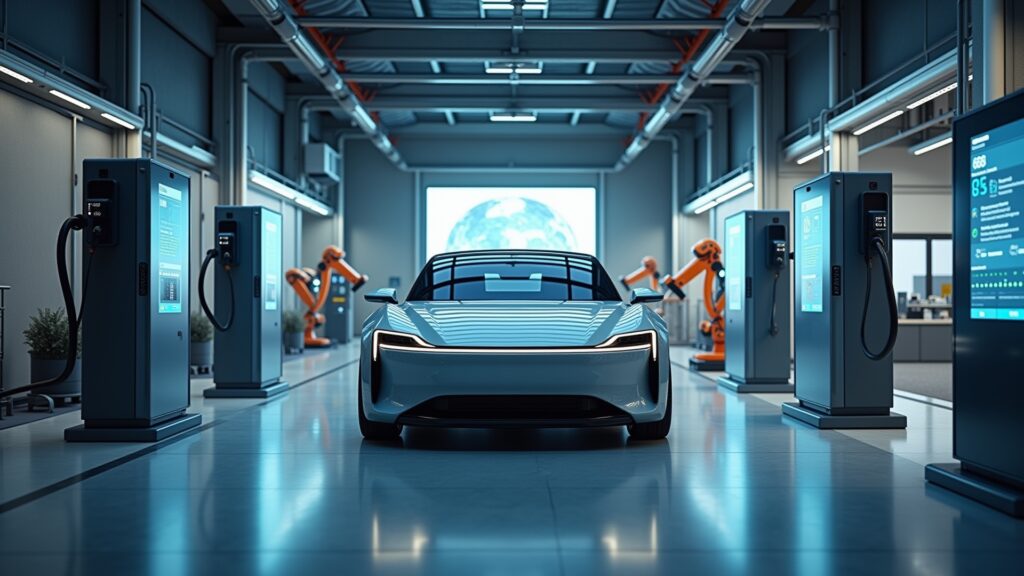
To you, this presents an opportunity to lead with strategic foresight. You must champion investments in digital supply chain management technologies that enhance predictive analytics and transparency. Deeper supplier partnerships are not a luxury but a necessity to build resilience. Moreover, your electrification roadmap must tightly integrate supply chain planning, especially for batteries and semiconductors, to ensure seamless EV production scale-up.
“The real edge is not only in building vehicles, but in controlling the technology, supply chain, and customer experience behind them.”
A cohesive, strategic approach balancing innovation, localisation, and partnership will differentiate winners in this evolving market.
Practical Takeaways for Automotive Leaders
- Invest in digital tools to improve supply chain transparency and agility.
- Prioritize localisation of critical raw materials and components to mitigate import disruptions.
- Build closer, strategic collaborations with key suppliers to enhance supply predictability.
- Align investment decisions with supply chain resilience as a core value proposition.
- Engage proactively with policymakers to shape enabling regulatory frameworks.
Expert Perspective
“In the automobile industry, speed is valuable — but strategic timing creates lasting advantage.”
“When manufacturing strength, policy clarity, and market demand align, automotive growth becomes far more scalable.”
Risks and Challenges Ahead
Despite best efforts, supply risks persist, posing dangers of production bottlenecks, cost inflation, and missed market opportunities in the rapidly evolving EV segment. Failure to adapt could erode India’s competitiveness against other global manufacturing hubs. You need to remain vigilant to geopolitical shifts and raw material market volatilities that could derail planned expansions.
What You Should Watch Next
- Policy developments on trade and import-export regulations impacting automotive components.
- Progress in localisation initiatives, especially in battery material sourcing and semiconductor manufacturing.
- Adoption rates of advanced supply chain technologies across OEMs and suppliers.
- Global geopolitical tensions affecting raw material flows and international supply routes.
Conclusion
Addressing supply risks with a multi-dimensional, proactive approach is no longer optional—it is essential for you and your stakeholders to sustain long-term growth in India’s auto sector. By innovating supply chain architectures, accelerating localisation, and investing in transparency and predictive capabilities, you can secure your competitive edge.
As the sector advances towards electrification and connected mobility, your strategic agility in managing supply chain complexities will define your success and underpin India’s position as a resilient, innovation-driven global automotive powerhouse beyond FY2027.
Take this challenge as a call to elevate your strategic vision and operational resilience—this will be the defining factor in India’s automotive journey ahead.