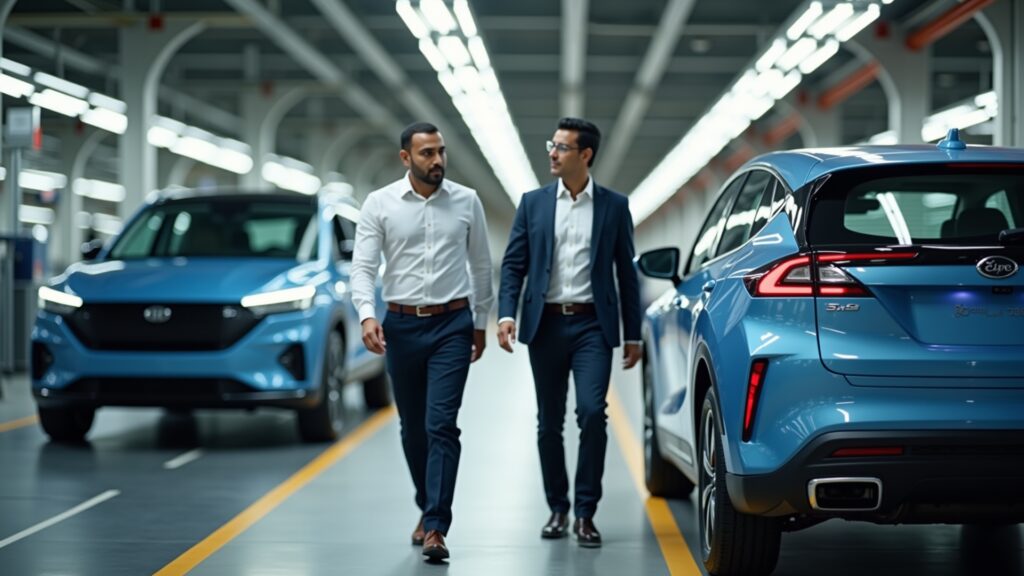

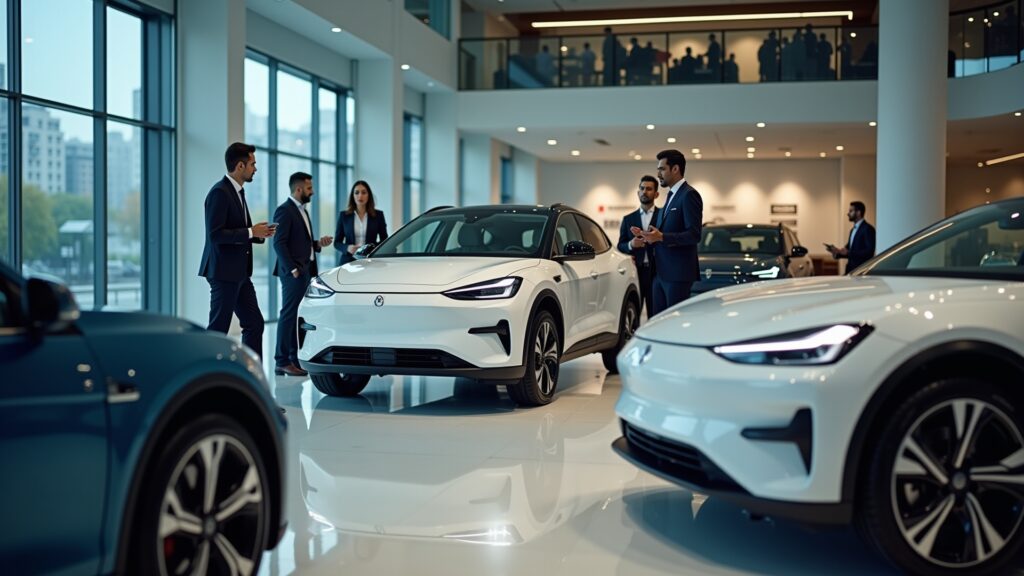











As you navigate the complexities of the automotive sector, FY26 marks a paramount juncture that demands your attention. This financial year represents more than just numbers; it signals a decisive transformation in India’s automotive industry landscape, driven by electrification, localization, manufacturing resilience, and export momentum. For industry leaders, investors, and policymakers, understanding the strategic shifts of FY26 is essential to positioning your business for sustainable growth and global relevance.
Why FY26 Matters to Your Automotive Business
In your role as an OEM leader, component manufacturer, or investor, FY26 stands as a blueprint for India’s evolution into a dominant global automotive powerhouse. This is not merely about market expansions or incremental upgrades but about reshaping supply chains, embracing cutting-edge EV technology, and capturing emerging export opportunities. Your decisions today—from investment priorities to technology roadmaps—must reflect this new era’s demands. Failing to align with FY26’s lessons means risking strategic obsolescence in an increasingly competitive global arena.
What Is Happening: Electrification Meets Localization
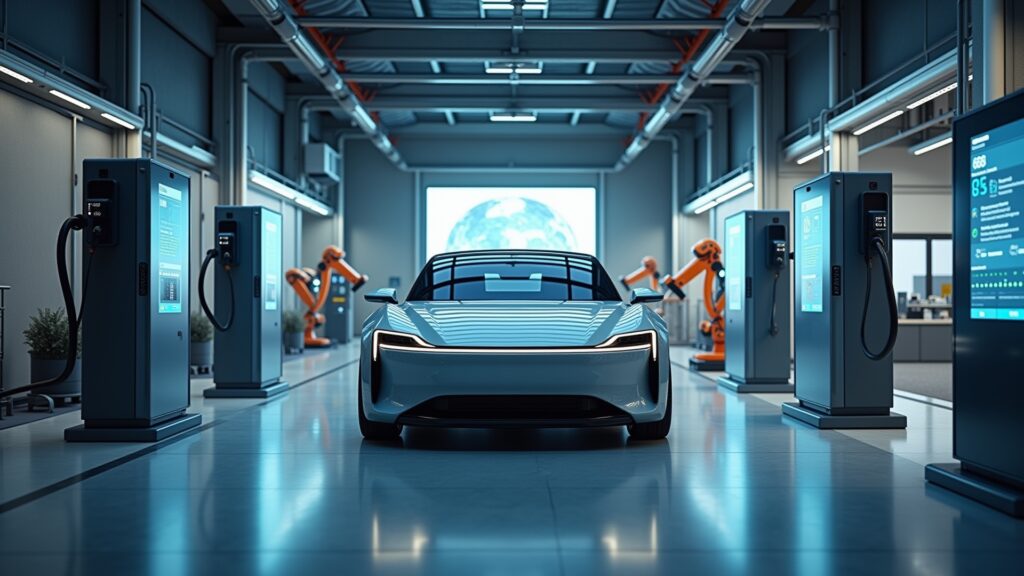
FY26 has accelerated India’s shift towards electric and hybrid vehicles, catalyzed by stringent regulations and growing consumer demand. Crucially, automotive manufacturers have integrated localization deeply into their EV strategies—investing heavily in domestic battery production and EV platforms. This approach not only mitigates supply chain risks but also enhances cost efficiencies that bolster your offerings both domestically and for export. Government incentives amplifying localization efforts complement private sector investments, creating a synergistic environment that elevates India’s automotive manufacturing quality and resilience.
Manufacturing and Supply Chain Resilience: Your New Competitive Edge
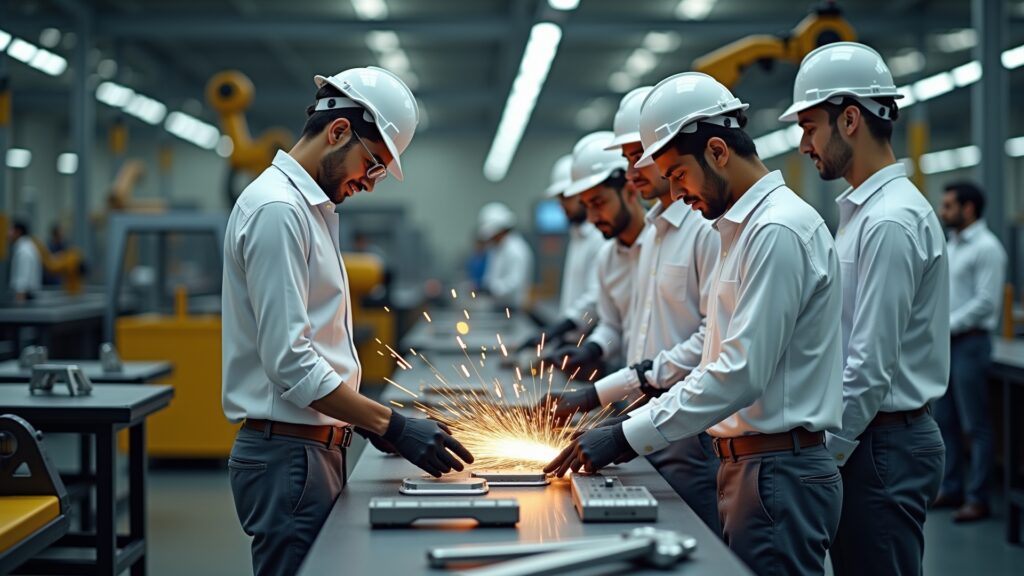
Global supply disruptions have made supply chain resilience a non-negotiable facet of your operational strategy. During FY26, the industry leaned into digital transformation and AI-enabled manufacturing processes to boost efficiency and supplier ecosystem strength. This evolving ecosystem prioritizes domestic component sourcing and diversification, reducing dependency on fragmented international trade flows. For your business, embedding these capabilities means greater agility, cost control, and enhanced competitiveness in the global trade space.
Exports and Market Expansion: Seizing Emerging Global Opportunities
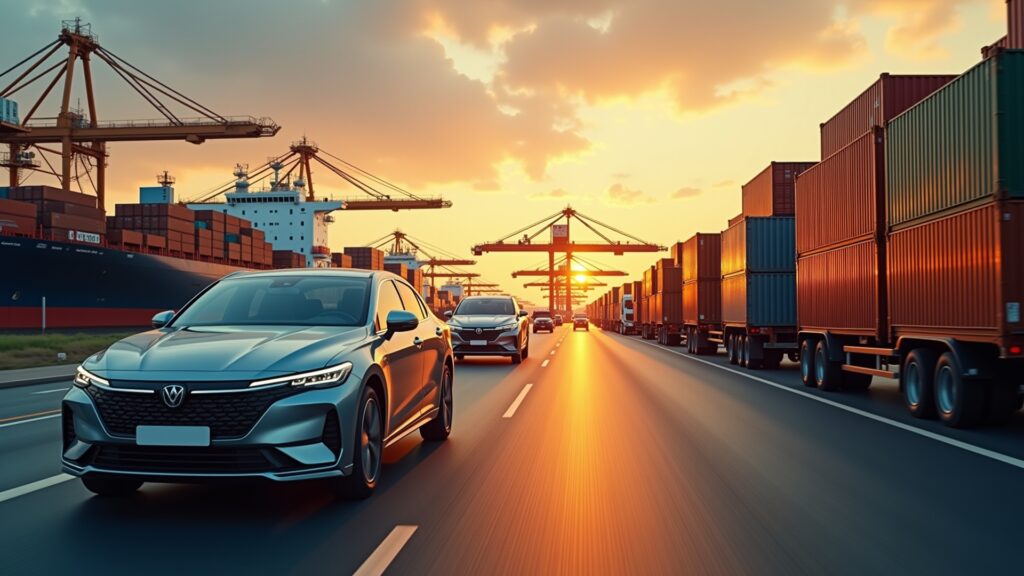
FY26 saw record automotive export growth from India, signaling your industry’s readiness to serve diverse global markets—from emerging economies to developed regions. Enhanced product standards, compliance with international regulations, and robust localization strategies have positioned India as a cost-effective yet high-quality manufacturing hub. This export-oriented growth trajectory underscores the sector’s maturity and integration into global value chains, presenting you with lucrative avenues to scale operations and diversify revenue streams through cross-border trade.
Strategic Insights: What FY26 Reveals for Leadership and Investment
FY26 offers critical insights into the future-readiness your business must demonstrate. Prioritizing advancements in software-defined vehicles, connected mobility solutions, and scalable charging infrastructure can set you apart. Additionally, embedding sustainable and decarbonized manufacturing processes will not only increase investment appeal but also align with tightening global regulatory norms. As you refine your strategic roadmap, emphasize these technological and sustainability investments to future-proof your operations and fortify market positioning.
Practical Takeaways for Industry Stakeholders
- Understand that electrification paired with localization is driving cost efficiencies and market expansion—invest accordingly.
- Monitor supply chain diversification initiatives to reduce risk and improve resilience against global disruptions.
- Invest in digital manufacturing and AI capabilities to enhance production agility and supplier ecosystem strength.
- Leverage export market opportunities by aligning products with international standards and local market needs.
- Advance software-defined vehicle development and connected mobility to cater to evolving consumer preferences and regulatory mandates.
- Adopt sustainable manufacturing practices to attract long-term investments and partnerships.
“In the automobile industry, speed is valuable — but strategic timing creates lasting advantage.”
“The real edge is not only in building vehicles, but in controlling the technology, supply chain, and customer experience behind them.”
“When manufacturing strength, policy clarity, and market demand align, automotive growth becomes far more scalable.”
Risks and Challenges to Consider
While FY26 has set a promising trajectory, you must remain vigilant about potential pitfalls. Regulatory shifts, technology adoption pace, and supply chain volatility could disrupt progress. Overdependence on specific export markets may expose your business to geopolitical risks. Furthermore, balancing rapid electrification with supply chain localization requires careful management to avoid bottlenecks in battery materials and components. Strategic risk mitigation plans will be essential to sustain growth and competitiveness.
What You Should Watch Next
Keep a close eye on policy developments that impact EV incentives and localization mandates, as these will directly influence your cost structure and market strategy. Track innovations in battery technology and charging infrastructure to ensure your offerings remain competitive. Additionally, monitor global trade dynamics for emerging partnership or market diversification opportunities to hedge against geopolitical uncertainties.
Conclusion: Positioning Your Business at the FY26 Inflection Point
FY26 represents a strategic inflection point for India’s automotive industry, where electrification, localization, manufacturing resilience, and export expansion converge to redefine competitive advantage. For you—whether CEO, investor, or policymaker—embracing these changes with clarity and decisiveness is imperative. Your ability to integrate innovation with sustainability and global market insights will dictate how successfully your business rides this transformative wave. FY26 has not only reshaped the industry’s present but has also charted the course for its future global leadership.
By focusing on these strategic imperatives, you position your enterprise to not just participate but lead India’s automotive renaissance on the world stage.