








As you navigate the seismic shifts in India’s automotive sector, the entry of a prominent Indian automotive major into the elite circle of top car manufacturers demands your immediate attention. This strategic development is more than an anecdote in industry headlines—it is a pivotal move that will reverberate across your business strategy, supply chain decisions, and investment outlook.
Why This Development Matters to You
Whether you are an OEM executive, supplier, investor, or policymaker, this transition alters the landscape you operate in. It signals a recalibration of value chains towards electrification, localisation, and advanced technology integration that directly impacts your competitive positioning and growth trajectory. Ignoring this could mean missing out on emerging opportunities or being blindsided by accelerated structural changes.
What Is Happening: A Strategic Shift in India’s Automotive Landscape
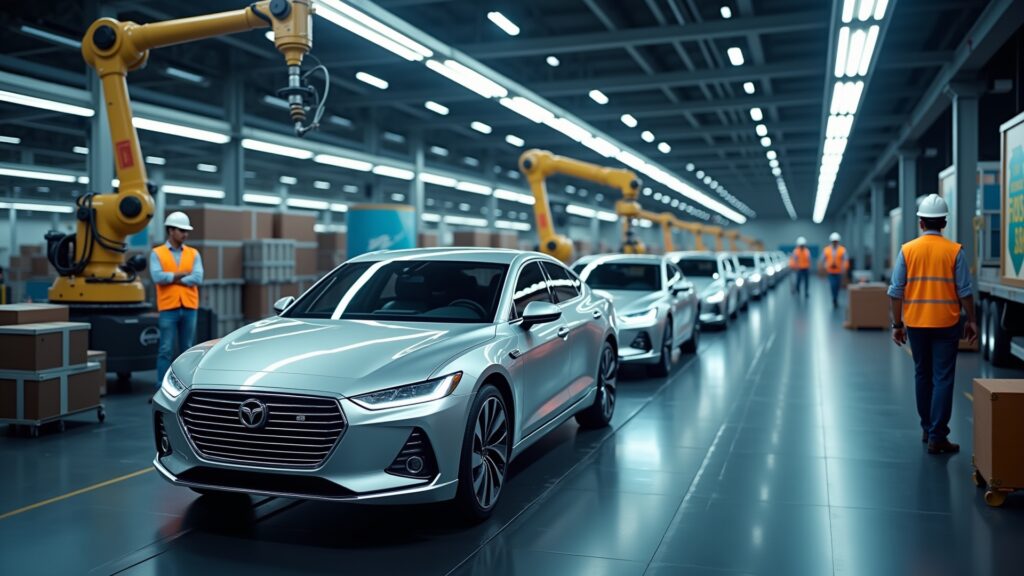
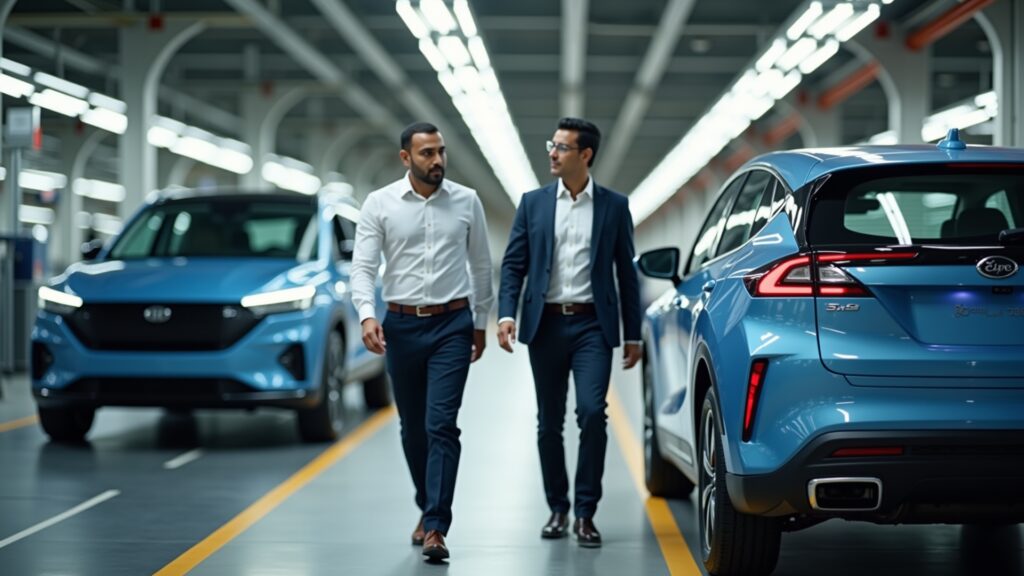
This Indian automotive major’s ascension to a top car manufacturer status underscores a deliberate strategy. By expanding production capacity, driving localisation of parts, and targeting export market penetration, the company is positioning itself to challenge established players that have traditionally dominated the space. This move is emblematic of a broader industry pivot towards electric and hybrid vehicles (EVs and HEVs), software-defined vehicle features, and robust supply chain ecosystems.
Key Business and Market Impacts
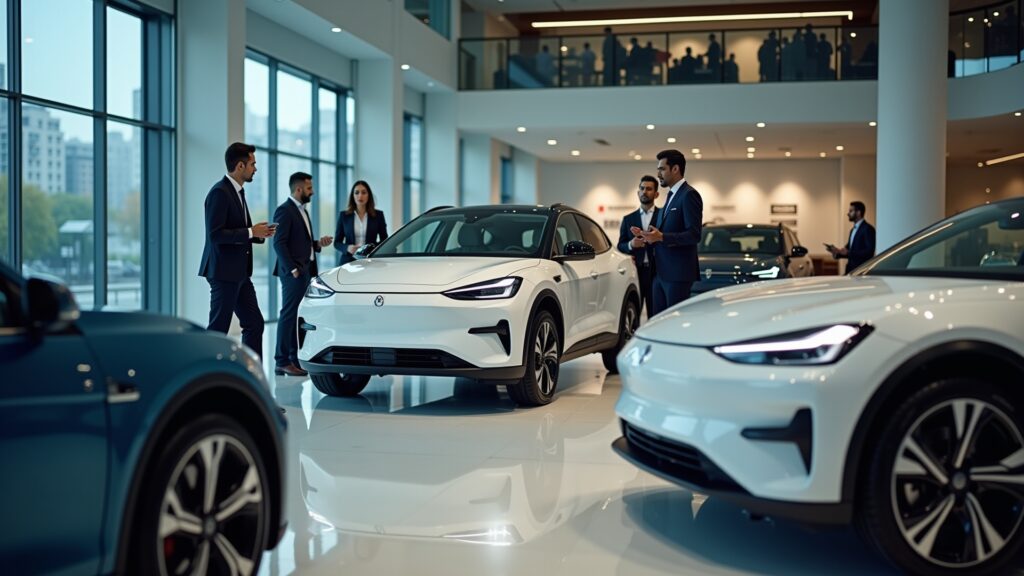
The competitive dynamics within the original equipment manufacturer (OEM) segment will inevitably intensify. Existing players are now prompted to innovate rapidly in EV technologies and connected vehicle systems to maintain or grow their market shares. For you as a business leader or supplier, this means both heightened competition and new partnership possibilities.
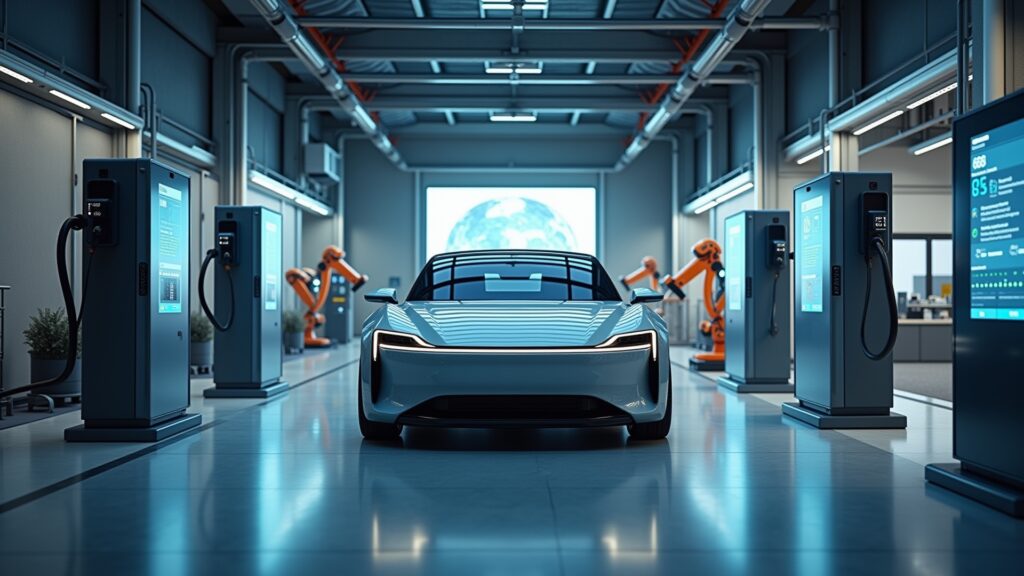
Policywise, this shift opens pathways for governments to reinforce sustainable mobility through industrial incentives, aiming to meet decarbonisation mandates while enhancing global competitiveness. Investments in R&D, charging infrastructure, and localisation efforts are expected to escalate, strengthening India’s automotive ecosystem.
Deeper Strategic Insights
“In the automobile industry, speed is valuable — but strategic timing creates lasting advantage.” This addition is not merely about capacity but about capturing the technology and supply chain control that define future profitability. By embedding itself deeper in local component manufacturing and pushing export boundaries, the entrant is setting a blueprint for resilience amid global supply disruptions.
Software integration and connected vehicle capabilities are now non-negotiable pillars for OEM survival. This new entrant’s strategy indicates a shift towards vertically integrating these software-defined vehicle elements, signaling a competitive edge that will influence your procurement and partnership models.
Practical Takeaways for Industry Stakeholders
- Understand: The increased importance of localisation in your sourcing and supply chain strategies to mitigate risks and improve cost competitiveness.
- Monitor: Technological advances and partnerships in EV powertrain, battery technology, and connected vehicle systems driven by competitive pressures.
- Act: Consider strategic collaborations or investments in R&D focused on electrification and software platforms to future-proof your offerings.
- Adapt: Dealers and distributors need to revise product portfolios and retail models aligning with consumer demand shifting towards electrified and technologically advanced vehicles.
Expert Perspectives
“The real edge is not only in building vehicles, but in controlling the technology, supply chain, and customer experience behind them.”
“When manufacturing strength, policy clarity, and market demand align, automotive growth becomes far more scalable.”
Risks and Challenges You Should Consider
Despite the opportunities, this market evolution comes with inherent risks. You must navigate the complexities of integrating new tech standards, managing the contingency of supply chain localization amid global volatility, and anticipating regulatory shifts that could influence cost structures or market access. Competitive escalation may pressure margins or necessitate accelerated innovation timelines.
What You Should Watch Next
Keep a close eye on how this entrant scales EV infrastructure investments, their partnerships with software and battery ecosystem players, and policy developments supporting export incentives. Your ability to anticipate and respond to these signals will dictate your strategic agility in this transforming environment.
Conclusion
The entry of this Indian automotive major into the top car manufacturers list is a defining moment for India’s automotive industry. As you strategize your next moves, recognize this transition as a paradigm shift—one that realigns OEM strategy, intensifies market competition, and deepens the push for electrification and localisation. Embracing these changes will be critical for maintaining your competitive edge and driving sustainable growth in a rapidly evolving global automotive landscape.
Focus on leveraging this development to refine your strategies around supply chain resilience, technological innovation, and market expansion to capitalize on India’s rise as a global automotive powerhouse.