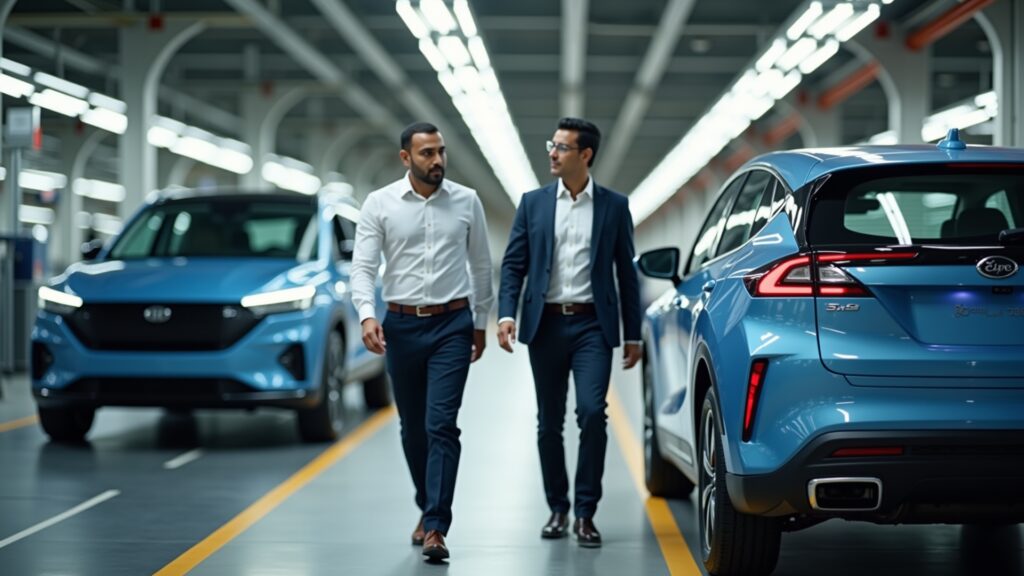
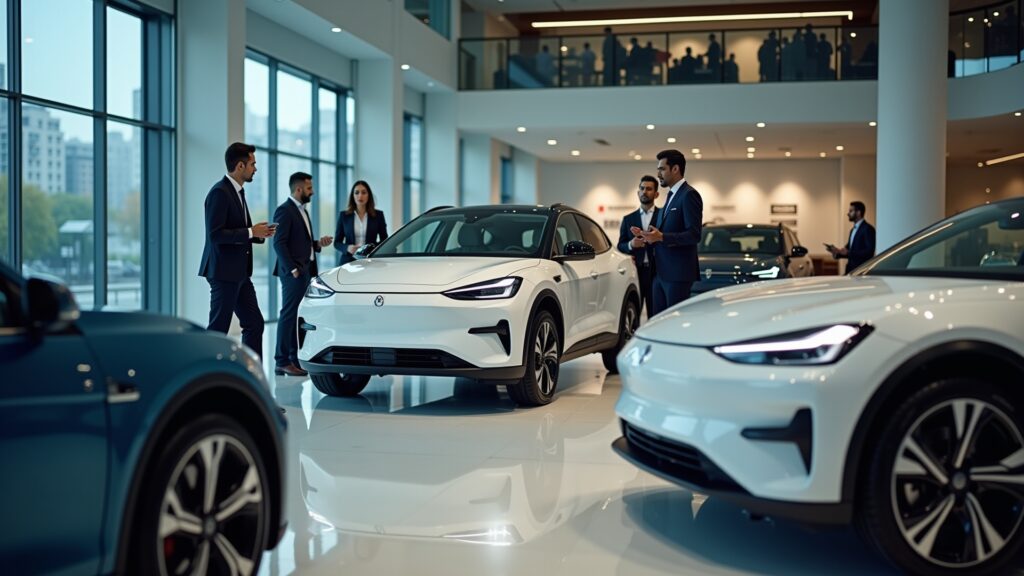








You stand at a pivotal moment in the evolution of India’s automotive landscape, where the strategies of the sector’s “Big Six” automakers are not only shaping the future of vehicle mobility but redefining the very business fabric of the industry. These six dominant OEMs wield an outsized influence over manufacturing trends, localisation drives, and the burgeoning electric and connected vehicle segments—a reality that demands your strategic attention if you aim to navigate or lead in this fast-evolving ecosystem.
Why the Big Six Matter to Your Automotive Strategy
If your business touches any part of the Indian automotive value chain—from component manufacturing to dealership networks, or from supply chain management to investment decisions—understanding the forces driving these industry leaders is non-negotiable. The Big Six’s aggressive push for enhanced localisation, export expansion, and technology adoption directly influences supply standards, market demand, and regulatory dynamics that affect your operational and strategic choices.
What Is Happening: The Big Six Shaping Indian Automotive Transformation
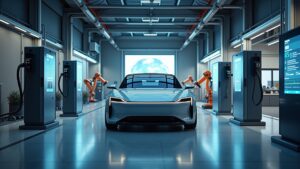
India’s Big Six automakers represent more than just market share; they exemplify leadership in the shift towards a software-defined, electrified, and globally competitive industry. Their combined manufacturing capacities and R&D investments set the pace for the entire sector. Today, they are spearheading innovation in EV and hybrid technologies, deepening localisation to reduce external dependencies, and aggressively expanding exports to position India as a refined manufacturing hub on the world stage.
This shift is accompanied by a focus on integrated connected mobility solutions, AI-driven production techniques, and sustainability metrics baked into business models. As legacy OEMs transform into mobility technology companies, they redefine competitiveness, profitability, and operational resilience for everyone playing in this space.
Key Business and Market Implications
The Big Six’s strategic moves ripple through every segment of the auto market. Their investment in electric and hybrid powertrains aligns with evolving government policies and consumer demand focused on sustainable solutions. For you, this translates into urgent imperatives to adapt supply chains towards EV component sourcing, develop digital manufacturing capabilities, and explore new partnership models to keep pace.
For component manufacturers and suppliers, the Big Six’s next-gen quality standards and digital integration demands open pathways to innovation and scale, especially in battery technology, software systems, and connected features. Dealers and distributors should note the shifting consumer preference towards premiumisation and differentiated vehicle experiences driven by connected and software-enhanced vehicles.
Strategic Insights Into Innovation and Leadership
Leadership within the Big Six underscores a critical business transformation. No longer are these automakers mere producers of vehicles; they are emerging as integrated mobility platforms that blend hardware with software, AI, and autonomous capabilities. For decision-makers like you, this transition signals the necessity of investing in new skills, forging technology partnerships, and securing funding for future-ready ventures.
“The real edge is not only in building vehicles, but in controlling the technology, supply chain, and customer experience behind them.”
Moreover, the localisation trends championed by these leaders enhance India’s supply chain resilience but require savvy orchestration from supplier networks to meet stringent quality and volume targets. Embedded in these shifts is a call for operational agility as disruption in global trade and resource availability intensifies.
Practical Takeaways: What You Should Prioritize Now
- Focus on integrating EV and hybrid component capabilities into your manufacturing or supply chain operations to stay aligned with the Big Six’s technology roadmap.
- Invest in digital manufacturing and AI-driven quality controls to meet increasingly sophisticated production and supply chain requirements.
- Explore joint ventures and partnerships that allow access to emerging software platforms and connected vehicle ecosystems.
- Anticipate regulatory changes incentivizing localisation and sustainability—proactively align your business models for compliance and competitive advantage.
- Monitor consumer trends towards premium and software-defined vehicle features to adjust your product offerings and sales strategies.
- Plan strategically for export opportunities, leveraging India’s growing stature as a global manufacturing hub influenced by the Big Six’s footprint.
Expert Perspective on Industry Leadership
“In the automobile industry, speed is valuable — but strategic timing creates lasting advantage.”
“When manufacturing strength, policy clarity, and market demand align, automotive growth becomes far more scalable.”
Risks and Challenges Ahead
Despite the promising trajectory, challenges remain for you to consider carefully. Supply chain volatility could intensify with global geopolitical tensions and raw material scarcity, impacting cost and availability. The rapid pace of technological adoption requires consistent upskilling and capital allocation, which not all players may manage equally well. Furthermore, balancing the pressures of premiumisation with market affordability demands nuanced pricing and product strategies.
What You Should Watch Next
Keep a close eye on regulatory updates that influence EV incentives, localisation mandates, and export policies. The Big Six’s evolving investment patterns in battery ecosystem development, charging infrastructure, and software-delivered vehicle experiences will be early signals of industry direction. Additionally, observe how these players navigate platform sharing and strategic partnerships to mitigate risk and maximize margins.
Conclusion: Positioning Yourself Alongside India’s Big Six
Your role in India’s automotive transformation is intertwined with the strategic decisions made by the sector’s Big Six automakers. Their influence will dictate supply chain demands, technological shifts, market growth, and regulatory landscapes. Embracing this reality with proactive innovation, localisation strategies, and technology integration will ensure you are not only part of India’s automotive future but poised to lead in this dynamic and critical phase.