












As you steer your automotive enterprise through the complexities of a fiercely competitive global landscape, a 13% year-on-year sales growth in the Indian automotive industry presents more than just a promising number—it signals a pivotal moment for strategic recalibration. This surge is not merely a marker of recovery; it embodies India’s accelerated ambition to assert itself as a formidable leader in automotive manufacturing, exports, and innovations in sustainable mobility.
Why This Matters to You
Whether you helm an original equipment manufacturer, steer an auto component supply firm, or manage investment portfolios tied to automotive assets, understanding the layers beneath this growth is essential. It reshapes how you approach market positioning, leverage manufacturing ecosystems, and participate in evolving policies that prioritize electrification and localisation. This is your cue to anticipate shifting consumer preferences and regulatory landscapes that will profoundly influence profitability, supply chain resilience, and expansion strategies.
What Is Happening in the Indian Automotive Market
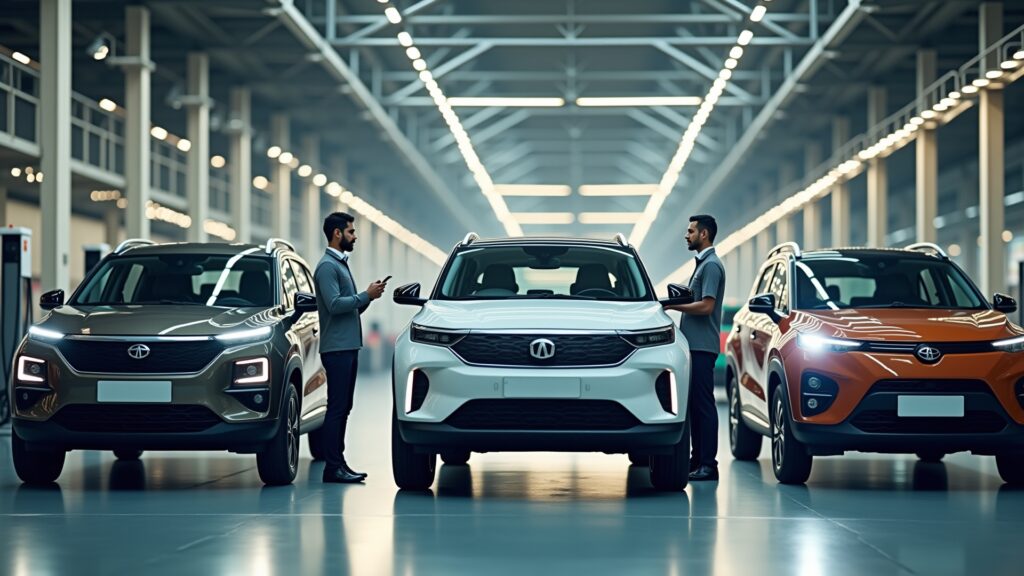
India’s automotive sector has consistently gained momentum, registering a 13% increase in overall vehicle sales year-on-year, a testament to robust demand and manufacturing vigor even amid global supply chain challenges. This expansion reflects more than post-pandemic recovery; it embodies the materialization of focused localisation policies, growing consumer acceptance of electric and hybrid vehicles, and digital advancements in vehicle technologies.
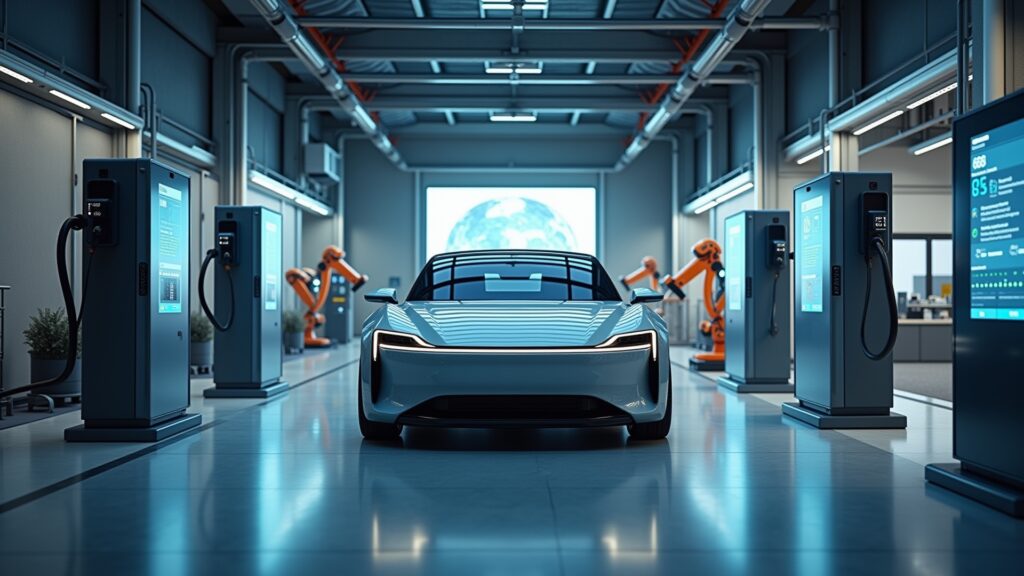
These changes are not isolated. The confluence of government incentives for green mobility, infrastructure investments in EV charging networks, and aggressive localisation drives collectively redefine India’s role—from a domestic market to a global automotive export hub.
Key Business and Market Impact
For OEMs, the volume growth underlines the imperative to couple scale with agility. Growth must be supported by heavy investment in electric vehicle platforms, connected vehicle ecosystems, and autonomous technologies that cater to a savvy, digitally empowered buyer base. Similarly, the auto component ecosystem faces the dual challenge and opportunity of localising production while enhancing standards to compete globally.
Investors see this as a signal of market robustness but must remain vigilant about the implications of an accelerating shift towards electrification and sustainability regulations that can alter investment horizons. Policymakers, on their end, hold the levers to sustain this momentum via clear regulatory frameworks, incentives, and infrastructure policies.
Strategic Analysis: Aligning Growth with Innovation and Global Competitiveness
What distinguishes this 13% growth is its alignment with India’s wider narrative of strategic automotive evolution. The industry is pivoting from volume-centric goals to prioritizing sophisticated technologies—electric, hybrid powertrains, software-defined vehicles, and connected mobility. Your leadership focus should be on integrating these technologies with robust localisation strategies to boost export competitiveness, manage supply chain disruptions, and enhance margins.
Supply chain resilience becomes your priority amid global freight uncertainties and regulatory complexities. Export-oriented manufacturing, empowered by local content, will define the industry’s medium- to long-term trajectory. Cultivating public-private partnerships for battery technology and charging infrastructure will cement India’s ambitions.
Practical Takeaways for Auto Leaders
- Recognize that volume growth must be complemented by investments in EV and hybrid technology development to future-proof product portfolios.
- Leverage localisation not only to reduce costs but also to build export capacity, positioning your supply chain for global competitiveness.
- Focus on digital transformation—connected vehicles, software platforms, and autonomous features—to capture premium market segments.
- Stay abreast of policy shifts and incentives to optimize capital deployment and align strategic initiatives with government trajectories.
- Prioritize collaborations that enhance battery sourcing, charging infrastructure, and sustainable mobility ecosystems.
“In the automobile industry, speed is valuable — but strategic timing creates lasting advantage.”
“The real edge is not only in building vehicles, but in controlling the technology, supply chain, and customer experience behind them.”
Risks and Challenges to Navigate
While the 13% sales growth offers optimism, it also brings challenges. Supply chain volatility, especially for critical EV components like batteries and semiconductors, requires nimble risk management. Regulatory changes in export norms and sustainability mandates necessitate continuous compliance and strategic flexibility. Demand fluctuations tied to fuel transition policies and infrastructure readiness could also reshape sales dynamics.
To navigate these risks, your strategic roadmap should be agile, with scenario planning that incorporates supply chain contingencies, alternative energy sourcing, and evolving global trade conditions.
What You Should Watch Next
Monitor government policy updates related to localisation, export incentives, and EV ecosystem support. Keep a close eye on emerging partnerships between OEMs and technology firms around software-defined vehicles and autonomous systems. Analyze shifts in consumer preferences, especially among the burgeoning EV buyer segment, and track investments in charging infrastructure development. These signals will guide your tactical and strategic decisions in the months ahead.
Conclusion: Seizing Leadership in India’s Automotive Future
The 13% year-over-year sales growth in India’s automotive sector is more than a headline statistic — it’s a strategic bellwether for your business and the broader ecosystem. This growth invites you to engage deeply with the transformation sweeping the sector: from advanced manufacturing and localisation to electrification, digitalisation, and global competitiveness.
As the automotive landscape evolves into a nexus of technology, sustainability, and strategic supply chains, your ability to balance volume growth with innovation and policy alignment will determine your leadership position in India’s—and the world’s—next automotive chapter.