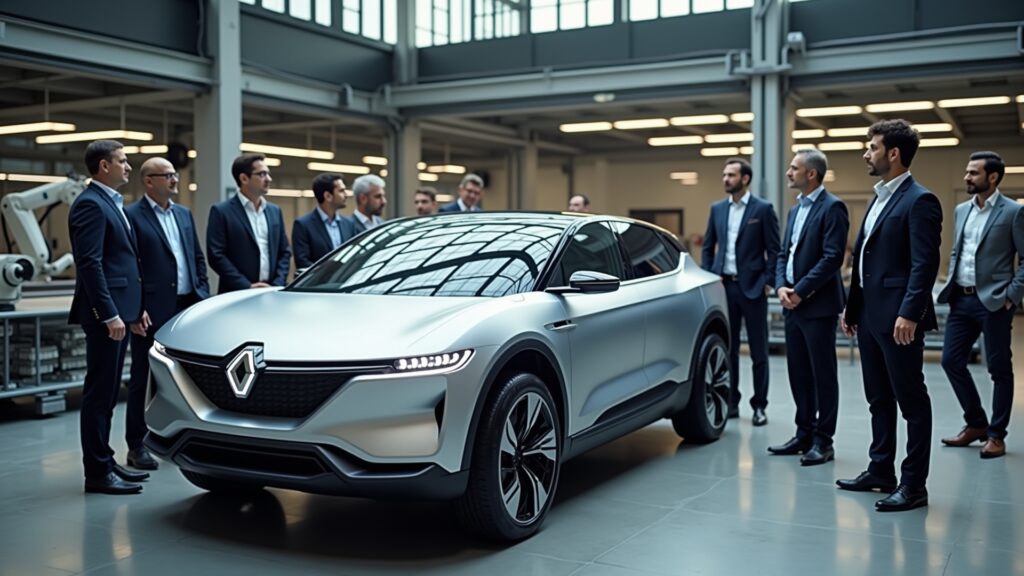











As a business leader or investor in the automotive sector, you’re at a crossroads where market dynamics and strategic foresight converge. India’s auto industry has just crossed a historic threshold—registering its highest ever annual sales across every vehicle segment in the financial year 2025–26. This milestone isn’t merely a numeric triumph; it signals a foundational shift that will shape your decisions on production scale, market positioning, and innovation investments.
Why This Record Matters to You and Your Business
Understanding the ramifications of India’s auto industry record sales in FY 2025-26 is critical for making informed, future-proof decisions. Whether you’re steering an OEM, managing supplier operations, or advising on investment strategy, this development reaffirms that India is solidifying its role as a formidable global automotive hub. It impacts how you evaluate capacity expansions, R&D direction—especially in electric and hybrid vehicles—and dealer network enhancements. More importantly, it offers a roadmap to innovate with sustainability and premium technology at the core.
The Forces Driving India’s Unprecedented Auto Sales Surge
The record-breaking sales numbers come on the back of several interconnected factors that you must consider as part of your strategic planning:
- Robust Localization and Supply Chain Resilience: India’s growing domestic supplier ecosystem means less vulnerability to global disruptions. This localization strategy enables you to plan production with greater confidence and optimize supply costs.
- Strong Shift Toward Electric and Hybrid Mobility: Rising consumer acceptance, coupled with aggressive government incentives, is expanding market share for EVs and hybrids. Your business can capitalize by aligning product development and component sourcing with these opportunities.
- Expanded Manufacturing Capacity and Export Capability: With enhanced production scales and integration into global automotive value chains, India is becoming a pivotal export hub. This has direct implications for your global market strategy and supply chain footprint.
- Market Premiumization and Product Diversification: The surge in demand for premium, technologically advanced vehicles—including connected and software-defined models—is influencing portfolio strategies. This trend pushes your R&D and marketing efforts towards innovation-led competitive advantages.
Key Business and Policy Implications to Guide Your Strategy
As an executive, your response to this milestone should focus on leveraging these trends to boost profitability, optimize costs, and lead innovation. The strategic alignment between manufacturing scale-up and technology investment in EVs and connected vehicles becomes paramount. At the same time, government policymakers are pivotal players, with regulatory frameworks needing to enhance emissions norms, infrastructure investment for charging, and export incentives to sustain this growth trajectory.
“In the automobile industry, speed is valuable — but strategic timing creates lasting advantage.”
“The real edge is not only in building vehicles, but in controlling the technology, supply chain, and customer experience behind them.”
Strategic Insights: Decoding the Business Landscape Post-Sales Surge
This record sales performance suggests several actionable insights for you:
- Prioritize investment in advanced R&D focused on electric powertrains, battery technology, and software-defined features. The evolving product mix demands innovation-driven competitiveness.
- Enhance your supply chain resilience further by deepening partnerships with Tier-1 and Tier-2 suppliers focused on localization and quality.
- Rethink dealership and retail strategies to support premium vehicle sales and connected mobility solutions, ensuring superior customer engagement and margin optimization.
- Explore export opportunities aggressively by leveraging India’s rising stature in global automotive manufacturing networks.
Practical Takeaways for Industry Leaders and Investors
- Understand that localization is no longer optional but a strategic imperative to reduce risk and improve margins.
- Monitor government policies closely related to EV incentives, emissions regulations, and export support—these will directly impact your cost structure and market access.
- Invest in scalable manufacturing technologies such as AI-driven automation to maintain cost leadership and responsiveness.
- Stay ahead of consumer preferences by integrating connectivity and software features in vehicle portfolios.
- For investors, diversify portfolios to include emerging Indian EV players, automotive software firms, and component suppliers with strong localization credentials.
Risks and Challenges to Navigate
Despite these bright prospects, key challenges remain that you must actively manage:
- Raw Material Sourcing: The scarcity and geopolitical sensitivity of battery materials demand proactive sourcing strategies and investment in recycling technologies.
- Supply Chain Volatility: Even with localization, disruptions can occur. Dynamic risk management and supplier diversification remain essential.
- Accelerating Digital Transformation: Implementing AI and connected vehicle technologies at scale requires significant capital and talent, demanding strategic prioritization.
What You Should Watch Next
Keep your focus on upcoming government policy shifts relating to EV infrastructure expansion and export incentives. Watch emerging partnerships and JV activities between Indian OEMs and global tech players that could redefine competitiveness. Also, monitor consumer adoption curves for premium and electric vehicles, as they will timely indicate shifts in market demand.
“When manufacturing strength, policy clarity, and market demand align, automotive growth becomes far more scalable.”
Conclusion: Positioning Yourself for India’s Automotive Growth Wave
India’s auto industry record sales in FY 2025-26 mark a strategic inflection point. For you, this means an urgent need to reassess your production footprint, innovation roadmap, and market strategy to align with stronger localization, electrification, and premiumization trends. Success will come to those who integrate technology, policy insight, and consumer demand shifts into a coherent business model. This milestone is your clarion call to participate actively in shaping India’s emergence as a global automotive powerhouse—not just as a manufacturer, but as a leader in sustainable, connected mobility.