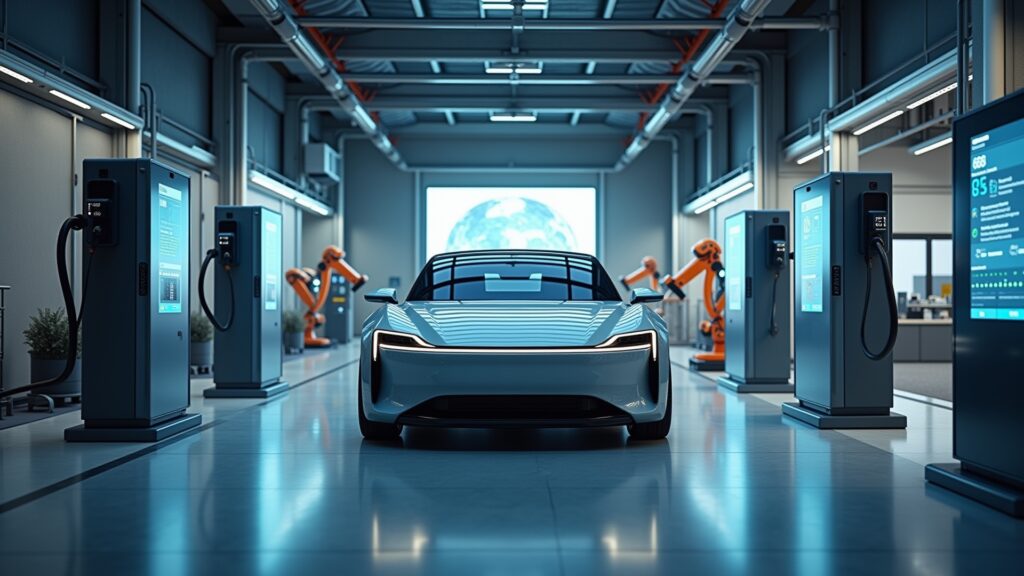














Energy collaboration is key to accelerating the growth of electric vehicles (EVs) and enhancing your market presence. By forming strategic partnerships with energy companies, you can leverage their infrastructure and expertise to address charging needs, develop innovative solutions, and optimize battery technology. This synergy not only propels your EV initiatives but also contributes to a sustainable future while meeting the demands of an evolving consumer landscape. Embracing these partnerships will position you at the forefront of the automotive industry’s transformation.
Key Takeaways:
- Collaborative strategies between auto OEMs and energy providers can enhance EV infrastructure, improving charging availability and energy management.
- Developing innovative energy solutions, such as vehicle-to-grid technology, can create new revenue streams for both sectors.
- Shared data and analytics can optimize energy usage and vehicle performance, leading to a more efficient and sustainable EV ecosystem.
The Current Landscape of EV Market
The electric vehicle market is experiencing unprecedented growth, driven by consumer demand for greener alternatives and increasing regulatory support. In 2022, global electric vehicle sales surged by 55%, accounting for over 10% of all automobile sales. With widespread charging infrastructure improvements and advancements in battery technology, the landscape is rapidly evolving, presenting both challenges and opportunities for auto OEMs seeking to expand their electric offerings.
Current Trends in Electric Vehicles
As you navigate the evolving EV market, pay attention to rising trends such as the integration of AI for enhanced vehicle features, the shift towards sustainable materials in manufacturing, and the expansion of battery recycling initiatives. Additionally, subscription models are gaining traction, catering to consumer demand for flexibility in vehicle ownership.
Major Players in the EV Sector
The landscape is dominated by key players including Tesla, Nissan, and established automakers like Ford and GM, all vying for market share. New entrants like Rivian and Lucid Motors are also making waves, focusing on innovative technology and premium offerings that appeal to eco-conscious consumers.
Focusing on major players reveals a competitive environment where traditional automakers are increasingly investing in EV technology. Tesla remains a pioneer, leading in market share and technology advancements, while legacy brands such as Volkswagen have pledged billions towards electrification. Companies like Hyundai and BMW are diversifying their portfolios, releasing a range of electric models to cater to various consumer segments. As charging infrastructure improves, strategic partnerships with energy providers are becoming necessary for all players to enhance user experience and support growth in EV adoption.
The Role of Energy Companies
Energy companies are pivotal in shaping the electric vehicle (EV) landscape, as they bring necessary infrastructure and resources that facilitate widespread adoption. Your collaboration with these players can ensure a robust charging network and access to renewable energy sources, which are vital for enhancing the overall EV driving experience. By leveraging energy providers’ expertise and capabilities, you can significantly contribute to the advancement of sustainable mobility.
Energy Supply and Infrastructure
Ensuring a reliable energy supply and expanded infrastructure is fundamental for EV growth. Through partnerships with energy companies, you can strategically develop charging stations at key locations, such as retail centers and urban areas, optimally increasing convenience for drivers. This collaborative effort reduces range anxiety while boosting consumer confidence in EV adoption.
Renewable Energy Integration
Integrating renewable energy sources into EV charging stations can enhance sustainability and reduce operating costs. By partnering with energy providers, you can implement solar or wind energy solutions that not only power your charging infrastructure but also appeal to environmentally conscious consumers, reinforcing your brand’s commitment to sustainability.
Incorporating renewable energy into your EV charging network can have significant financial and environmental benefits. For instance, adopting solar panels at charging facilities can lower energy costs by up to 70%, while also allowing you to offer discounted charging rates to customers who utilize green energy. This attracts more customers while showcasing your dedication to reducing carbon emissions. Plus, as governments increase incentives for clean energy, such partnerships not only align with regulatory goals but also enhance your competitive edge in the evolving automotive market.
Potential Partnership Models
Auto OEMs and energy players can explore several partnership models to drive EV growth, each designed to leverage their unique strengths and resources. By aligning their goals, these partnerships can enhance charging infrastructure, promote sustainable energy solutions, and accelerate the transition towards electric mobility.
Joint Ventures and Collaborations
Establishing joint ventures allows auto OEMs and energy companies to pool resources for mutual benefit. For instance, a partnership could lead to the development of an extensive network of fast-charging stations, with shared investment in technology and infrastructure, creating a win-win scenario for both parties.
Strategic Alliances for Research and Development
Strategic alliances focused on R&D can foster innovation in EV technology. By collaborating on projects related to battery technology or renewable energy integration, both auto manufacturers and energy companies can share costs while advancing groundbreaking solutions that enhance the overall EV ecosystem.
Such alliances not only minimize development risks but also accelerate time-to-market for innovative solutions. For example, partnerships like that of BMW and Daimler with energy providers emphasize joint R&D for more efficient battery systems and sustainable energy sources. These collaborations facilitate the sharing of expertise and resources, resulting in breakthroughs that can redefine EV performance and user experience. Additionally, co-developing smart grid technologies can enhance energy distribution efficiency, benefitting both sectors and establishing robust connections between EVs and charging infrastructures.
Regulatory and Policy Considerations
To effectively navigate the landscape of EV growth, you must consider both local and global regulatory frameworks that influence partnerships between auto OEMs and energy providers. Governments are implementing stringent emissions regulations and clean energy mandates, which create both pressure and opportunity for your strategic collaborations. Understanding these regulations will not only ensure compliance but also position your partnership to capitalize on emerging market trends.
Local and Global Regulations
Your operations are shaped by a myriad of local and global regulations that vary widely between regions. For instance, countries within the European Union have set ambitious targets for greenhouse gas reduction that require collaboration among auto OEMs and energy companies. In contrast, specific U.S. states, such as California, have developed their own regulatory goals, necessitating customized strategies to align with local policies while keeping an eye on international standards.
Incentives for Collaboration
Various incentives exist to foster collaboration between auto OEMs and energy companies, including government grants and tax credits designed to promote EV adoption and infrastructure development. These incentives can significantly reduce the financial burden associated with innovation projects and shared technology initiatives, thus encouraging you to engage in partnerships that enhance the EV ecosystem.
Consider leveraging federal and state incentives that are specifically aimed at encouraging joint ventures and research initiatives in the EV sector. For example, in the U.S., the Department of Energy offers funding opportunities for projects that develop advanced vehicle technology and smart grid solutions. Simultaneously, look into tax rebates for customers who purchase electric vehicles or install EV chargers, which can further incentivize your partnership with energy companies focused on creating a robust charging infrastructure. By strategically aligning with these programs, you can enhance the viability and reach of your collaborative efforts.
Benefits of Partnering for OEMs
Forging partnerships with energy players offers substantial advantages for your organization, enabling you to leverage innovation and resources. By collaborating, you can access advanced technologies, share investment costs, and create a more robust EV ecosystem. This not only accelerates your journey toward sustainable mobility but also enhances customer satisfaction through comprehensive offerings that meet evolving market demands.
Enhanced Market Reach
Collaborating with energy players expands your market presence by tapping into their established networks and customer bases. This synergy provides you with insights into regional energy trends and customer preferences, allowing you to tailor your EV offerings more effectively. Joint marketing initiatives can significantly boost visibility, driving higher adoption rates of your electric vehicles.
Improved Sustainability Initiatives
Partnerships with energy providers enable you to implement stronger sustainability initiatives, integrating renewable energy sources into your supply chain. By harnessing green energy for EV production and charging infrastructure, you significantly reduce carbon footprints. This alignment not only meets regulatory demands but also enhances brand reputation among environmentally conscious consumers, positioning you as a leader in sustainable automotive practices.
Improved sustainability initiatives allow you to innovate in areas like battery recycling and lifecycle assessments, further solidifying your commitment to the environment. Collaborations can lead to joint renewable energy projects, which can power charging stations with wind or solar energy, directly supporting your goal of reducing greenhouse gas emissions. This not only drives efficiency but adds to your competitive edge in the growing EV market, promoting a cleaner future for transportation.
Challenges and Risks
Engaging in partnerships with energy players is not without its challenges and risks. You must navigate a complex landscape filled with regulatory hurdles, technological barriers, and intense market competition. These factors can impact the scalability and effectiveness of your collaborative efforts, ultimately affecting the growth of your EV offerings.
Technological Barriers
Your collaboration may face significant technological barriers, including the integration of complex charging solutions and compatibility issues between vehicles and varying energy systems. Establishing seamless communication between automotive technologies and energy infrastructures is necessary for optimizing EV performance and customer experience.
Market Competition
The EV market is becoming increasingly competitive, with new entrants and established players vying for market share. Your partnerships must adapt to rapidly evolving consumer preferences and technological advancements, alongside the strategies of competitors that may hinder progress.
In this high-stakes environment, companies like Tesla and Rivian highlight the need for differentiation through innovative technology and unique service offerings. Additionally, established automakers, such as Ford and GM, are investing heavily in their EV lineups, presenting both a challenge and an opportunity for collaboration. To succeed, you must continuously evaluate market trends and respond proactively, ensuring that your partnerships are aligned with industry advancements and customer desires.
Conclusion
From above, it’s clear that collaborating with energy players can significantly enhance your EV growth strategy. By leveraging their infrastructure, technology, and market insights, you can create synergies that drive innovation and customer engagement. This partnership allows you to address key challenges in charging access, sustainability, and energy management, ultimately positioning your brand for success in the evolving automotive landscape. Take proactive steps now to foster these alliances and accelerate your transition to electric mobility.
FAQ
Q: What are the benefits of partnerships between Auto OEMs and energy companies for EV infrastructure?
A: Collaborations can enhance charging infrastructure, leading to better availability and accessibility for EV users. These partnerships also facilitate shared investments in technology development, improve market reach, and enable the establishment of standardized charging solutions, which can drive consumer confidence and accelerate EV adoption.
Q: How can Auto OEMs and energy players work together to develop new EV technologies?
A: By pooling resources and expertise, Auto OEMs can collaborate with energy firms to innovate battery technology, improve energy efficiency, and create more sustainable power sources. Joint ventures and research initiatives can lead to breakthroughs that benefit both sectors, enhancing the overall EV ecosystem.
Q: What role do government incentives play in the partnerships between Auto OEMs and energy companies?
A: Government incentives often provide financial support for joint projects, making it easier for Auto OEMs and energy companies to invest in EV infrastructure and technology. These incentives can lower the financial risks associated with such collaborations, encouraging long-term commitments and wider adoption of electric vehicles.