











As you steer your automotive business through the dynamic shifts of India’s automotive sector, it’s crucial to understand why the substantial growth driven by policy momentum in FY24 is expected to moderate by FY27. This development isn’t merely a forecast but a strategic signal pointing to new market realities that will shape your investment, production, and innovation decisions over the next few years.
Why This Matters to You
This transition from robust policy-induced acceleration to moderated growth impacts how you allocate resources, manage supply chains, and innovate. As an OEM leader, investor, or component manufacturer, the challenge lies in pivoting your strategies from capitalizing on temporary government stimuli to building sustainable competitive advantages that endure beyond fiscal cycles.
What Is Happening in India’s Auto Sector?
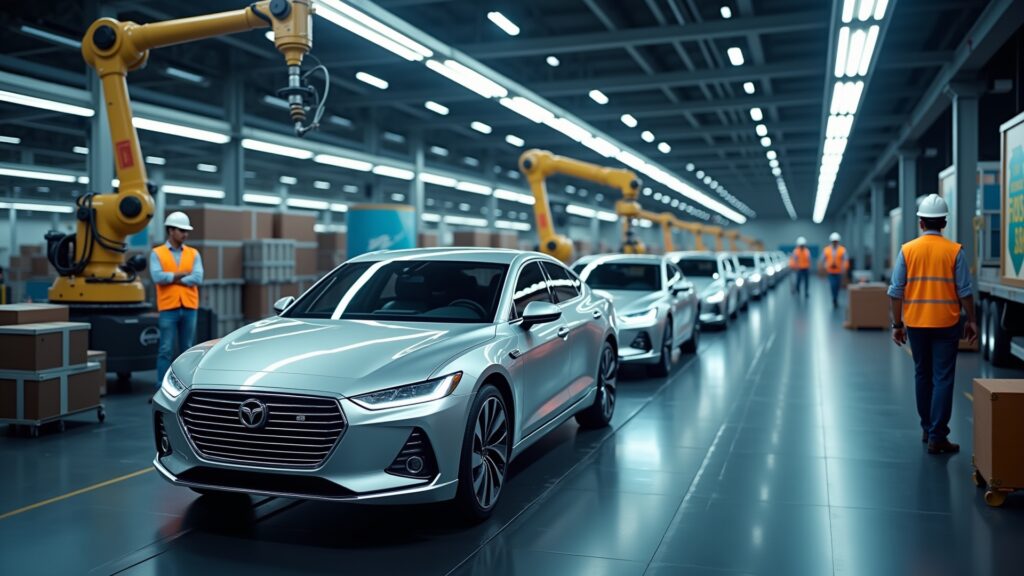
The automotive industry has recently benefitted from significant state interventions prioritizing localisation, export incentives, and aggressive promotion of electric and hybrid vehicle adoption. These measures have ramped up manufacturing capacities and positioned India as a more competitive global player. However, as these stimuli stabilize, growth rates are anticipated to decelerate by FY27, transitioning from stimulus-driven expansion to maturation largely influenced by market fundamentals.
Key Business and Market Impacts
- Sustainability of Policy Effects: The initial surge powered by EV incentives and localisation is giving way to market-driven dynamics. Expect customer demand, cost structures, and technological evolution to play a larger role in defining growth trajectories.
- Investment Realignment: Rapid expansion phases are settling. Investors and stakeholders must recalibrate their focus towards optimizing capital returns and fortifying supply chain resilience, rather than aggressive scaling.
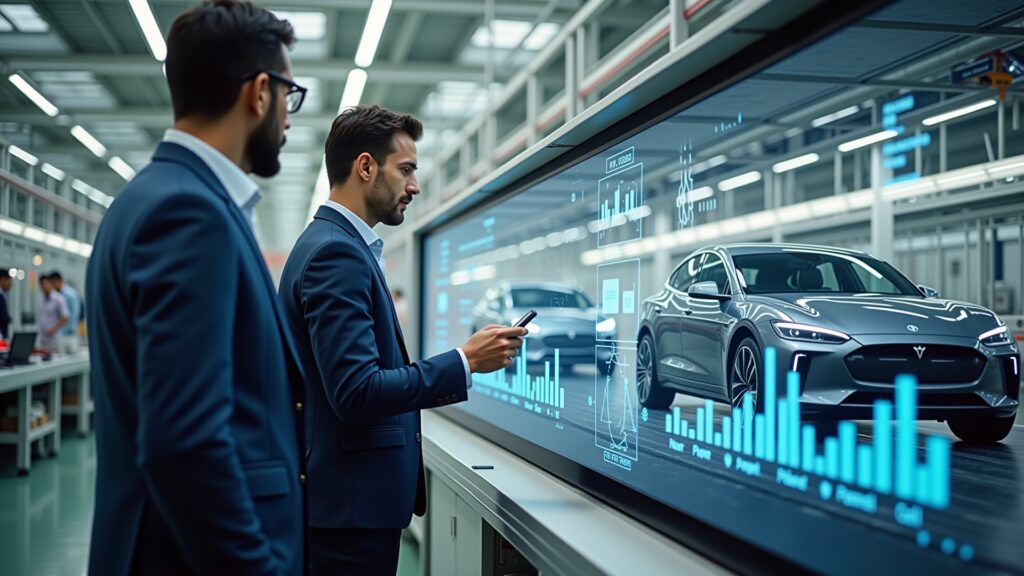
- Technological Imperative: Software-defined vehicles, connected mobility solutions, and battery technology advancements will become key differentiators in a slower growth market.
- Export and Localisation Leverage: India’s strategic positioning as a manufacturing hub requires continued push on export competitiveness and localisation to mitigate the impact of subdued domestic market growth.
Strategic Insight: Navigating the Shift
You are operating at a critical juncture where your strategy must evolve from capitalizing on transient policy advantages to embedding innovation and operational excellence as growth engines. This means investing in digital transformation in manufacturing, expanding the EV and hybrid portfolio, and forming global partnerships that strengthen export capabilities. Innovation in supply chain agility and cost control will be necessary to survive and thrive amid tempered growth forecasts.
“In the automobile industry, speed is valuable — but strategic timing creates lasting advantage.”
Practical Takeaways for Auto Industry Leaders
- Prepare for a Moderated Growth Environment: Adjust your business planning to reflect sustainable demand rather than short-term policy boosts.
- Emphasize Operational Efficiency: Streamline manufacturing and supply chains to reduce costs and enhance resilience.
- Prioritize Technological Leadership: Invest in software-defined vehicles, connected systems, and battery innovations to maintain competitive edge.
- Leverage Export Potential: Deepen localisation and make strategic moves to capture global market shares.
- Monitor Policy Evolution: Stay ahead of regulatory shifts that could offer new incentives or introduce compliance challenges.
“The real edge is not only in building vehicles, but in controlling the technology, supply chain, and customer experience behind them.”
Risks and Challenges Ahead
You must be vigilant about supply chain disruptions, volatility in raw material costs, and potential shifts in government policies. A decelerating growth rate might pressure profit margins and investor sentiment if not managed with strategic foresight. Slowdown in domestic demand also necessitates exploring diversified revenue streams, including aftermarket services and new mobility solutions.
What You Should Watch Next
Keep a close eye on the evolution of EV policy incentives beyond FY24 and international trade trends influencing export competitiveness. Track advancements in battery chemistry and charging infrastructure development, which will significantly impact product appeal and cost-effectiveness. Also, watch how competitors pivot their localisation and innovation strategies within this moderated growth environment.
“When manufacturing strength, policy clarity, and market demand align, automotive growth becomes far more scalable.”
Conclusion
The auto industry growth moderation in FY27 presents both a challenge and an opportunity. This is not a retreat but an evolution toward a balanced, resilient, and innovation-centric ecosystem aligned with India’s ambition as a manufacturing powerhouse. For you, this requires strategic recalibration — moving beyond policy reliance to embedding agility, technology leadership, and global competitiveness in your core operations.
Embracing this shift will differentiate the winners in India’s automotive landscape, securing long-term profitability and sustainable growth in an increasingly complex global market.