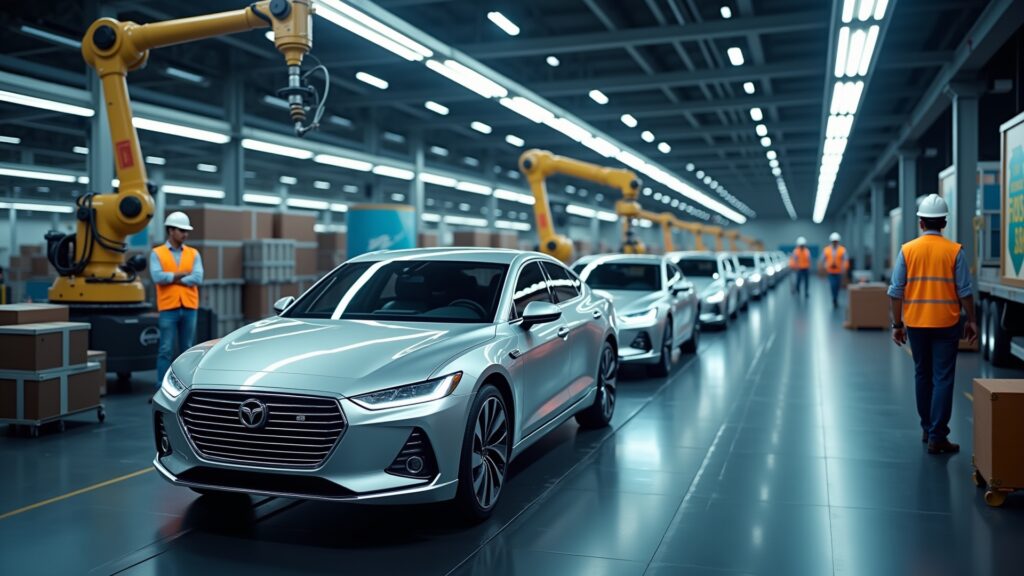













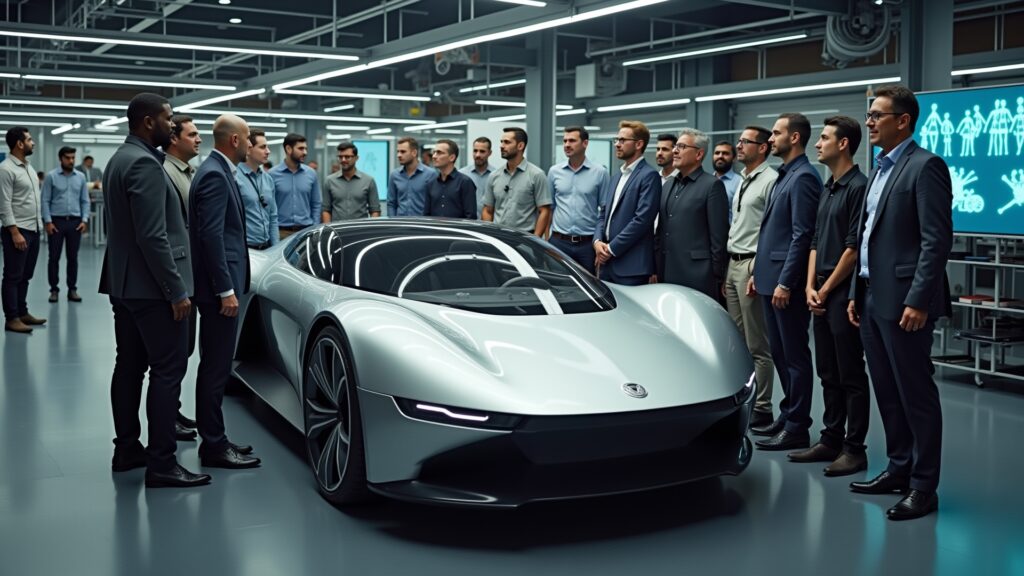
As an automotive business leader or strategist, you know the landscape you operate in is shifting—rapidly and irrevocably. Among the multiple forces sculpting India’s automotive future, design innovation is emerging not just as a creative tool but as a strategic business lever. It is reshaping how vehicles are conceived, produced, and perceived, unlocking new avenues for competitiveness and growth in an industry traditionally dominated by scale and cost efficiency.
Why Design Innovation in India’s Automotive Industry Matters to You
You are navigating an era where consumer expectations, regulatory demands, and technological advancements converge to create both complexity and opportunity. Design is no longer just about aesthetics; it now directly influences your product development velocity, supply chain efficiency, brand positioning, and your readiness for the electric and software-defined vehicle revolution. Embracing design innovation can be the difference between leading the market or lagging behind as the industry pivots towards sustainability, connectedness, and global competitiveness.
What is Driving This Evolution?
India’s automotive sector has historically thrived on volume manufacturing and cost leadership, targeting mass markets with proven conventionally powered vehicles. However, the emergence of electric vehicles (EVs), evolving consumer tastes, and a global push for sustainability have brought design innovation to the forefront. Autodesk, a global pioneer in advanced design software, underscores that leveraging digital design tools is now integral to India’s auto industry transformation—not just for vehicle styling but for unlocking manufacturing agility, integrating supply chains, and enhancing user-centric experiences.
Strategic Industry Impacts: Beyond Looks to Business Value
- Accelerated Product Development: Digital design platforms enable you to iterate and prototype rapidly, compressing time-to-market and cutting costs. This agility is vital in an environment where regulatory frameworks and consumer preferences evolve swiftly.
- Boosting Localisation and Ecosystem Synergies: Through collaborative design tools, you can integrate your OEM capabilities with the local components ecosystem more tightly. This fosters localisation, reinforcing India’s position as a globally competitive manufacturing hub, essential for EV scale-up and export ambitions.
- Elevating Brand Equity and Market Differentiation: Distinctive and sophisticated vehicle design allows you to transcend commodity competition. It aligns with the premiumisation trend, opening profit margin opportunities beyond volume-driven strategies.
- Enabling the Software-Defined Vehicle Paradigm: Integrating hardware design with software and connectivity capabilities from the outset is increasingly indispensable. Design innovation is central to packaging complex electronics, user interfaces, and new architectures seamlessly.
Deeper Strategic Insights: The Business Case for Design-Led Transformation
For you, the challenge pivots on balancing cost-control with innovation-led value creation. Advanced design methodologies supported by platforms like Autodesk’s mean you can optimize materials, improve manufacturing processes, and embed sustainability goals in product development. Your investment in design capabilities fuels agility and resilience—critical factors as supply chains face disruptions and the EV transition adds technical complexity.
India’s aspiration to become a global EV export powerhouse depends not only on scale but on the ability to offer globally competitive, design-forward vehicles. This requires a mindset shift from merely meeting functional benchmarks to crafting compelling products around user experience, connected features, and smart manufacturing.
“In the automobile industry, speed is valuable — but strategic timing creates lasting advantage.”
“The real edge is not only in building vehicles, but in controlling the technology, supply chain, and customer experience behind them.”
Practical Takeaways: What You Should Prioritize
- Understand that design innovation is a strategic enabler, not just a styling exercise.
- Monitor advancements in digital design tools and how they integrate with manufacturing and supply chain systems.
- Invest in upskilling teams around software-defined vehicle architectures and design-for-manufacturability techniques.
- Forge closer collaboration with local component manufacturers to maximize localisation benefits and cost efficiencies.
- Align design strategies with evolving regulatory frameworks and sustainability imperatives.
- Explore opportunities in premiumisation by differentiating your brand with distinctive, user-centric vehicle designs.
Risks and Challenges Ahead
Adopting cutting-edge design approaches requires upfront investment and cultural adjustments. Legacy processes and mindsets can hinder rapid integration of new tools. Additionally, fragmented supply chains and limited access to skilled design talent may slow progress. You must also navigate regulatory uncertainties around EV infrastructure and safety standards which can impact design parameters. Balancing innovation, cost, and compliance will remain a delicate exercise.
What You Should Watch Next
Keep a close eye on how OEMs and startups harness design software to pioneer modular, scalable vehicle platforms optimized for electric and connected mobility. Watch for policy announcements that incentivize localisation and R&D spending on design innovation. Observe how collaborations between software companies, component suppliers, and design houses evolve. These will signal shifts in competitive dynamics and opportunities for market leadership.
“When manufacturing strength, policy clarity, and market demand align, automotive growth becomes far more scalable.”
Conclusion: Design Innovation as a Cornerstone for India’s Automotive Future
Ultimately, embracing design innovation in India’s automotive industry is a strategic imperative that goes beyond artistry. It is about driving manufacturing excellence, fostering supply chain resilience, expanding market reach, and leading technology transitions. For you, as a business leader or stakeholder, embedding advanced design capabilities in your product and business strategy is critical to sustaining competitive advantage in a market increasingly defined by electric mobility, digital connectivity, and global trade competitiveness.