












Over the past decade, you have likely noticed a significant shift in the automotive industry, as original equipment manufacturers (OEMs) increasingly focus on software development alongside traditional hardware engineering. This transition not only reshapes how vehicles are designed and produced but also transforms the skill sets required within your teams. Understanding the dynamics of governing tech talent in this evolving landscape is vital for driving innovation and ensuring your organization remains competitive in the modern automotive market.
Hardware is no longer the sole focus for automotive original equipment manufacturers (OEMs) as you navigate the shifting landscape towards software-driven technologies. In this evolution, it’s crucial for you to understand how to effectively govern and manage your tech talent to keep pace with industry innovations. By aligning your workforce strategies with emerging software capabilities, you can enhance your organization’s agility and competitiveness in the rapidly changing auto sector.
Key Takeaways:
- Auto OEMs are increasingly prioritizing software skills to enhance vehicle technology and user experience.
- There’s a growing need for internal governance frameworks to manage the integration of tech talent within traditional automotive structures.
- Collaboration between hardware and software teams is crucial for innovation and competitiveness in the evolving automotive landscape.
Key Takeaways:
- Auto OEMs are transitioning from traditional hardware-focused mindsets to incorporating advanced software capabilities, necessitating new talent strategies.
- Collaboration between engineering and IT departments is vital to effectively integrate software innovations into automotive design and manufacturing processes.
- Investment in continuous learning and upskilling for employees is critical to keep pace with evolving technology and industry demands.
The Evolution of Auto OEMs
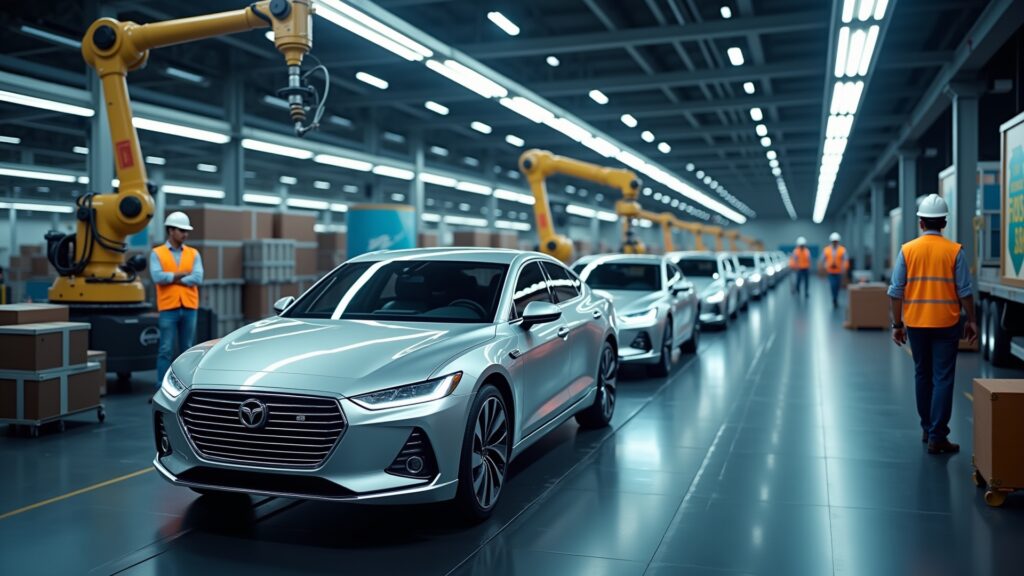
The transformation of auto original equipment manufacturers (OEMs) reflects a broader shift in the automotive industry, where technological innovation is imperative. As vehicles evolve into sophisticated software platforms, traditional manufacturing practices give way to a dynamic focus on connectivity, automation, and smart functionalities, which require a blend of mechanical and digital expertise. This evolution is reshaping the expectations from OEMs to create not just vehicles, but holistic mobility solutions that cater to a tech-savvy consumer base.
Transition from Hardware to Software
The shift from hardware to software in automotive OEMs represents a significant paradigm change. As vehicles increasingly rely on software for functions like navigation, safety, and driver assistance, OEMs must cultivate a new skill set among their workforce. This transition emphasizes the importance of software integration, data management, and cybersecurity in developing future-ready products that align with consumer demands for connectivity and intelligence.
Impact on Organizational Structure
This transition has profound implications for organizational structure within auto OEMs. Traditionally siloed departments are merging, fostering collaboration between engineering, IT, and design teams. By integrating software development into the core organizational framework, companies can streamline processes, enhance innovation, and respond more quickly to market changes. This shift encourages cross-functional teams to work together, breaking down barriers that historically hindered technology advancement.
This reorganization not only optimizes resource allocation but also enhances agility in product development cycles. For example, Tesla’s software-centric approach enables real-time updates and feature enhancements, while traditional OEMs like Ford and GM are actively restructuring to create dedicated software divisions. Such organizational agility is vital for navigating the complexities of modern automotive challenges, ensuring that teams are well-equipped to tackle issues related to both hardware and software innovations simultaneously.
Evolution of Tech Talent in the Auto Industry
The transition towards digital innovation in the automotive sector is reshaping the skillsets and roles required within companies. As vehicles evolve into smart machines equipped with interconnected technologies, your workforce must adapt to compete in a landscape driven by software and data analytics.
Historical Context: From Mechanical to Digital
Your understanding of automotive history reveals a profound shift from mechanical engineering to digital technologies. Initially, vehicles relied heavily on mechanical systems, but the rise of electronics in the late 20th century marked the beginning of a dramatic transformation, paving the way for today’s software-driven landscape.
The Shift Towards Software-Centric Design
The prevalence of software in vehicle functionality fundamentally changes how auto OEMs operate and design vehicles. This shift is underscored by an increasing reliance on embedded systems, which enable features like advanced driver-assistance systems (ADAS) and over-the-air updates, streamlining the development process and enhancing user experience.
This transition means you need to prioritize software competencies across your organization. For instance, Tesla’s success stems from its ability to implement rapid software updates and integrate machine learning, which directly influences consumer experience and vehicle performance. With nearly 30% of a modern vehicle’s value derived from software and technology, your talent strategy must focus on attracting software engineers, data scientists, and cybersecurity experts, while also fostering a culture of continuous learning and adaptation to remain competitive in this evolving market.
The Importance of Technical Talent
The shift towards software-centric automobile design underscores the critical need for technical talent equipped with diverse digital skills. As vehicles evolve into sophisticated computing platforms, your organization must prioritize recruiting and retaining top talent that can innovate and integrate new technologies seamlessly.
Skills Required for Software Development
Your software development teams require a blend of programming languages such as C++, Python, and Java, alongside expertise in cloud computing and data analytics. Understanding agile methodologies and tools like Git for version control is equally imperative, as these facilitate efficient collaboration in a rapidly changing environment.
Bridging the Gap Between Engineering Disciplines
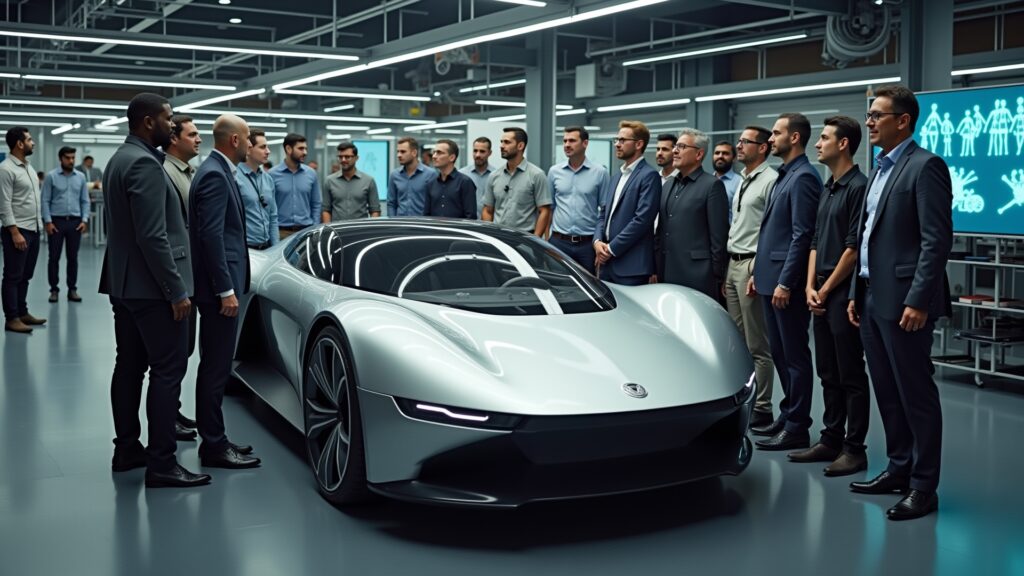
Fostering collaboration between software engineers and traditional automotive engineers is vital for maximizing innovation. You need to create cross-functional teams that allow for knowledge sharing, integration of perspectives, and a holistic approach to vehicle development.
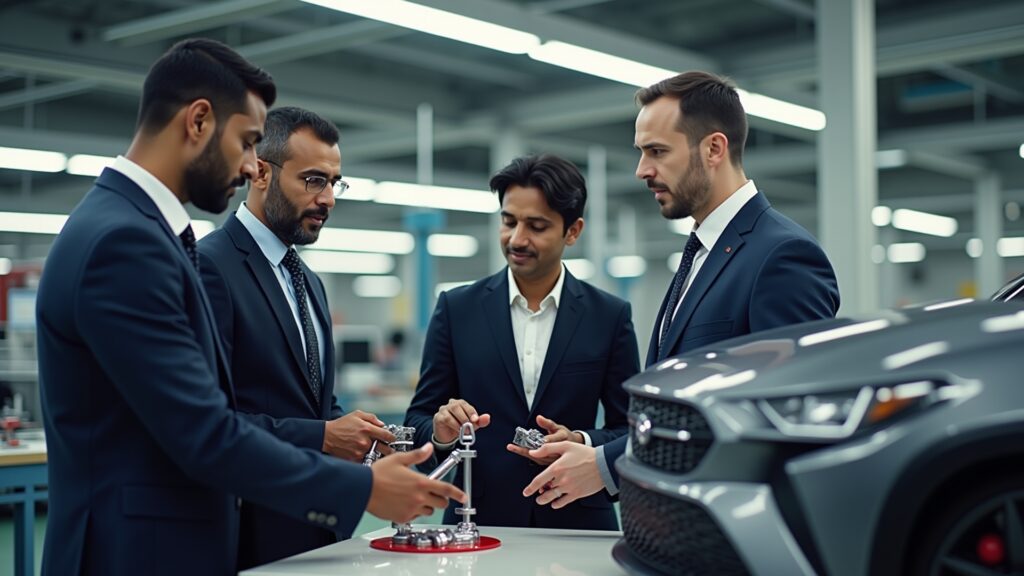
To bridge this gap effectively, consider implementing joint projects that require both software and mechanical engineers to work together from conception through to execution. This collaboration can lead to richer problem-solving and innovative solutions that consider software capabilities alongside mechanical realities. Training sessions and workshops can further enhance understanding of each discipline’s principles, ensuring smoother collaboration and a unified vision for future vehicle technologies.
The Role of OEMs in Talent Development
OEMs are pivotal in shaping the future of tech talent by investing in continuous training and development programs tailored to evolving industry needs. By fostering partnerships with educational institutions and tech bootcamps, you can bridge the skills gap, ensuring your workforce is equipped with the latest technologies and methodologies. This not only enhances employee retention but also aligns your organization with the rapid digital transformation taking place in the automotive sector.
Internal vs. External Talent Acquisition
Your approach to talent acquisition greatly influences the quality of your tech workforce. Relying solely on external hires can be risky, especially when internal employees possess valuable institutional knowledge. Balancing both sources allows you to create a more holistic team by leveraging existing talent for strategic roles while also infusing fresh perspectives from the outside.
Building a Tech Culture Within Traditional Organizations
Transforming traditional organizations into tech-centric environments requires a shift in mindset and practices. You must encourage collaboration between IT and engineering departments, promote agile methodologies, and prioritize innovation. Effective leadership plays a key role in this transition, as leaders must model and advocate for a culture that embraces experimentation and continuous learning.
Creating a tech culture involves integrating modern workflows into the daily routine of your teams. Implementing regular hackathons or innovation days can spark creativity and collaboration. Additionally, encouraging cross-functional teams to work on projects together fosters a sense of community and shared purpose. Recognition and rewards for tech-driven initiatives can further motivate employees, making them feel valued and engaged in your organization’s progression toward a more technologically innovative future.
Strategies for Talent Acquisition
Effective talent acquisition strategies are vital for automotive OEMs aiming to build robust tech teams. By broadening recruitment channels, you can tap into diverse talent pools, leveraging both online platforms and industry-specific events. Building an employer brand that resonates with tech professionals can enhance visibility, attracting candidates eager to work at the intersection of automotive innovation and software development.
Attracting Top Tech Talent
Your ability to attract top tech talent hinges on creating an appealing workplace culture that prioritizes innovation and flexibility. Highlighting opportunities for meaningful contributions to cutting-edge projects can make your organization more attractive. Additionally, competitive compensation packages and benefits tailored to tech professionals can set you apart from other employers.
Developing In-house Expertise
Creating in-house expertise is a strategic move that fosters innovation and retains knowledge within your organization. This approach allows you to tailor training programs that align with your specific needs, ensuring employees develop skills relevant to your projects. Implementing mentorship programs and cross-functional teams can further enhance learning opportunities, making your workforce more versatile and adaptive.
By investing in in-house talent development, you not only reduce dependency on external hires but also build a cohesive team that understands your organizational goals intimately. For instance, BMW has successfully implemented training initiatives that integrate coding and software development into their engineering curriculum, resulting in a workforce well-versed in hybrid automotive systems. This tailored approach increases job satisfaction and retention rates, allowing employees to grow within a supportive environment while directly contributing to your company’s success.
Key Skills for the Future of Automotive Technology
As the automotive industry transitions into a tech-centric landscape, a blend of hardware knowledge and software prowess becomes vital. Skills in artificial intelligence, machine learning, and advancements in electric and autonomous vehicles are increasingly sought after. Familiarity with development frameworks and agile methodologies is vital, enabling teams to adapt swiftly to evolving project demands. Your ability to integrate these technologies will position you as a leader in driving innovation within the automotive sector.
Software Engineering Competencies
Proficiency in software engineering is fundamental in the automotive sphere, where vehicles are becoming intricate software systems. You need expertise in languages such as C++, Python, and JavaScript, as well as a solid grasp of embedded systems development. Familiarity with software development life cycles and version control will enhance your effectiveness in collaborative environments. Continuous learning and adaptability will be key to staying ahead of the curve in this fast-paced industry.
Data Analytics and Cybersecurity Skills
Your understanding of data analytics and cybersecurity should be robust, particularly as vehicles increasingly rely on connected technologies. Proficient data analysis allows you to harness vast amounts of vehicle performance data to inform design decisions and improve customer experiences. Additionally, safeguarding these systems against potential cyber threats is critical. From intrusion detection systems to real-time threat monitoring, your role will involve implementing strategies that protect both user data and vehicle integrity.
Incorporating data analytics skills means you can leverage predictive modeling and visualization tools to interpret vehicle data trends, enhancing operational efficiencies and performance outcomes. Cybersecurity requires competence in threat assessment and mitigation techniques to ensure vehicle networks remain secure from hacking attempts. By staying informed on the latest threats and countermeasures, as well as compliance with industry regulations, you contribute to creating safer vehicles and build trust with consumers. Mastering these skills will significantly bolster your value in the automotive tech workforce.
Fostering a Software-Driven Culture
Embracing a software-driven culture is important for your organization’s ability to innovate and adapt in the automotive sector. This shift requires not just new technologies, but a mindset change, encouraging employees to prioritize software development and collaboration across departments. Implementing agile methodologies and integrating cross-functional teams can help break down silos, leading to increased efficiency and a more responsive approach to market demands.
Creating Collaborative Work Environments
In fostering a collaborative work environment, you need to focus on breaking down barriers that hinder communication and teamwork. Tools like cloud-based platforms and regular team-building exercises encourage sharing ideas and aligning goals. By promoting an open-door culture and facilitating regular cross-department meetings, you can enhance cooperation and ensure that diverse perspectives contribute to problem-solving, ultimately leading to better software solutions for your automotive projects.
Encouraging Continuous Learning and Innovation
Continuous learning and innovation are vital to staying competitive in the fast-evolving automotive landscape. Establish training programs that keep your staff updated with the latest programming languages and technologies, while promoting a culture where experimentation is valued. You can implement hackathons and innovation challenges that encourage creative thinking and collaboration, pushing teams to develop new solutions and adopt agile practices that accelerate your tech development processes.
Investing in continuous learning isn’t just about formal training; it involves creating an environment where employees feel empowered to seek new knowledge and skills actively. Encourage mentorship programs where experienced team members guide newcomers, sharing insights on software development practices specific to automotive technology. Additionally, providing access to online courses and industry conferences can broaden your team’s expertise, fostering a culture of curiosity that drives innovation within your organization.
Challenges Faced by Auto OEMs in the Transition
Your journey toward integrating software capabilities within auto OEMs is fraught with challenges that can impede progress. These include internal resistance to change, navigating technological complexities, and addressing talent shortages. Each challenge requires strategic planning and execution, as the shift demands not only new skill sets but also a transformation in organizational mindset and processes.
Resistance to Change
You may encounter significant resistance to change, often stemming from a culture deeply rooted in traditional manufacturing practices. This can manifest as reluctance from employees who are accustomed to hardware-focused roles, as they may feel threatened by the evolving landscape or unsure about new technologies. Overcoming this mindset is necessary for fostering a culture of innovation and agility.
Talent Shortages and Recruitment Strategies
Challenges in Transitioning
Transitioning from hardware-centric capabilities to a more software-oriented approach presents numerous challenges for auto OEMs. This shift affects company culture, processes, and technology stacks, demanding significant investment and strategic planning to overcome resistance and ensure a seamless integration of new systems alongside existing legacy frameworks. You must navigate these hurdles carefully to meet evolving market demands and remain competitive.
Resistance to Change
Resistance to change is one of the most significant barriers you will face during this transition. Employees often cling to established practices, fearing that new methodologies will render their skills obsolete. To combat this, fostering a culture of innovation and continuous learning is important. Engaging your team through training and transparent communication can alleviate concerns and inspire a collaborative shift towards software-driven goals.
Integration of Legacy Systems
Integrating legacy systems poses another challenge that demands attention. Many OEMs rely heavily on outdated hardware and software that do not readily interface with modern solutions, creating bottlenecks in operations.
Legacy systems can be deeply embedded in your organization’s operations, resulting in data silos and inefficiencies. For instance, if a legacy manufacturing execution system does not communicate with your new IoT platforms, you may miss out on real-time insights critical for optimizing production. Often, organizations resort to incremental upgrades or middleware solutions, yet these can introduce complexities and potential points of failure. Establishing a phased integration strategy that prioritizes seamless data flow while maintaining operational integrity is important for a successful transition. Leveraging modern development practices, such as microservices, can also facilitate smoother interoperability with your existing legacy systems, ensuring you reap the benefits of new technologies without substantial downtime.
Case Studies of Successful Tech Integration
Your understanding of effective tech integration is enhanced through well-documented case studies that showcase successful strategies. Several pioneering OEMs have demonstrated how to navigate complexities and leverage technology to drive innovation within their organizations.
- Tesla: Achieved a 50% reduction in software development cycles through agile methodologies, leading to rapid feature updates.
- Ford: Invested $11 billion in electric and autonomous vehicles, resulting in a 40% increase in software engineering positions in two years.
- BMW: Enhanced customer satisfaction ratings by 20% after implementing over-the-air updates for vehicle software.
- Volkswagen: Established a new software division with 10,000 engineers, aiming for a $7 billion increase in yearly revenue from digital services.
- General Motors: Reported a 25% increase in vehicle connectivity features post the integration of advanced software talent and collaborations with tech startups.
Innovative OEMs Leading the Charge
Several innovative OEMs have stepped up their game by implementing advanced software systems, not only streamlining operations but also enhancing customer experiences. You can observe the shifts in corporate culture and a keen focus on attracting top-tier tech talent, which positions these manufacturers as front-runners in the automotive landscape.
Lessons Learned from Industry Pioneers
Industry pioneers have paved the way for those looking to integrate technology into the automotive space. Analyzing their successes reveals the importance of adaptability, rapid prototyping, and a deep understanding of customer needs, which informs product development.
Through detailed observation of these pioneers, you can distill key lessons that translate into actionable strategies. Emphasizing a culture of collaboration and innovation fosters an environment where tech initiatives can flourish. For instance, firms that invested heavily in continuous skills training witnessed improved software development velocity and better alignment between software and hardware teams. Adopting flexible work processes and prioritizing cross-functional teams further enabled accelerative growth in digital capabilities. Collectively, these insights highlight the necessity of a proactive approach in adapting to technological advancements while keeping consumer needs front and center.
Case Studies of Successful Transitions
Examining successful transitions illustrates how various auto OEMs have navigated the significant shift to software-driven operations. These case studies provide concrete examples of strategies, challenges overcome, and resulting benefits, serving as a valuable guide for others on a similar journey.
- Volkswagen: Invested €73 billion in software development over the next five years, expecting to increase software revenue from €1 billion to €20 billion annually by 2025.
- Tesla: Achieved a 25% increase in production efficiency by integrating AI-driven software into their manufacturing processes.
- General Motors: Launched its Ultifi platform in 2022, poised to generate $20 billion from software services by 2030.
- Ford: Announced an investment of $29 billion in EV and autonomous tech by 2025, anticipating 40% of its sales will come from software-enabled services by 2030.
Leading Auto OEMs’ Strategies
Strategic investments in software capabilities are crucial for leading OEMs. Companies prioritize building robust in-house software teams and leveraging partnerships with tech firms to streamline development processes and enhance innovation.
Lessons Learned from Market Leaders
Market leaders exemplify how to successfully pivot towards software-driven operations through targeted strategies, robust partnerships, and ongoing talent development. Each successful transition demonstrates the value of adaptability and continuous learning to thrive in a rapidly changing landscape.
Diving deeper into the lessons learned, firms like Volkswagen and General Motors showcase the necessity of substantial investment not just in technology, but also in talent. Volkswagen’s approach underscores the importance of aligning software and hardware teams to foster a unified vision, while GM’s journey emphasizes the need for scalable platforms that evolve with technological advancements. These insights highlight how ongoing training and a culture of innovation are foundational to sustaining long-term competitive advantages in automotive technology.
Future Trends in Tech Talent Management
As the automotive landscape evolves, the future of tech talent management will increasingly focus on adaptability, innovation, and diversity. Organizations must not only recruit the best talent but also invest in fostering a culture that embraces lifelong learning and cross-disciplinary collaboration. By staying ahead of industry trends and leveraging data analytics, you can better understand talent needs and align them with organizational goals.
Emerging Technologies and Their Impact
Technologies like artificial intelligence, machine learning, and the Internet of Things are reshaping the automotive sector. You will need to cultivate skills in these areas to ensure your workforce can harness their capabilities to improve efficiency, safety, and sustainability. As these technologies become standard, understanding their implications for product development and customer engagement becomes crucial.
Long-Term Strategies for Sustaining Talent Development
To sustain talent development in a rapidly changing environment, you should implement comprehensive training programs that integrate emerging technologies and encourage continuous professional growth. This involves collaborating with educational institutions, offering mentorship opportunities, and creating a culture that values agility and innovation.
Establishing long-term strategies involves not just immediate training but also creating pathways for career advancement. By developing partnerships with universities, you can implement internships or co-op programs that provide students with practical experience in automotive technology. Furthermore, incorporating mentorship schemes helps foster a knowledge-sharing culture within your organization, promoting retention and engagement among employees. By focusing on personalized development plans aligned with organizational goals, you can ensure that your talent pool remains dynamic and responsive to industry changes.
Final Words
The landscape of automotive manufacturing is evolving as you navigate the integration of hardware and software within your organization. As an Auto OEM, embracing tech talent becomes an imperative, enabling you to enhance innovation and efficiency. By fostering a culture that values both technical skills and cross-disciplinary collaboration, you position your company to lead in an increasingly competitive market. Investing in your workforce not only strengthens your capabilities but also ensures your long-term success in the dynamic automotive sector.
Final Words
The evolution from hardware to software in the automotive industry demands your strategic focus on tech talent within OEMs. As you navigate this transition, prioritizing interdisciplinary skills, fostering collaboration between teams, and cultivating a culture of innovation will empower you to tackle future challenges effectively. By investing in your talent pool and adapting to emerging technologies, you position your organization to thrive in an increasingly digital landscape, ensuring sustained competitiveness and relevance.
FAQ
Q: What are the main challenges auto OEMs face when transitioning from hardware to software development?
A: Auto OEMs encounter several challenges, including a lack of software expertise within their workforce, the need for new development processes, and the integration of agile methodologies. Additionally, establishing a culture that embraces innovation and change can be daunting, as traditional manufacturing mindsets often dominate. There is also the challenge of ensuring cybersecurity and compliance with industry standards while developing software solutions.
Q: How can auto OEMs attract and retain top tech talent?
A: To attract and retain top tech talent, auto OEMs can offer competitive salaries and flexible working conditions. Creating a robust learning and development program that focuses on emerging technologies is crucial. Furthermore, fostering a corporate culture that encourages creativity and innovation will help appeal to tech professionals who seek a dynamic work environment. Establishing partnerships with educational institutions can also build a talent pipeline for future needs.
Q: What role does cross-functional collaboration play in the software development process within auto OEMs?
A: Cross-functional collaboration is vital in the software development process, as it ensures that various departments, such as engineering, design, and IT, work together to achieve common goals. This collaboration enhances communication and leads to better alignment of product vision and functionality. Integrated teams can quickly address issues, share insights, and improve overall product quality, ultimately resulting in more effective software solutions for vehicles.