



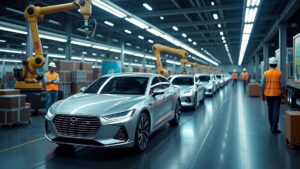






With the automotive industry rapidly evolving, you are likely considering the transition from internal combustion (IC) engines to electric vehicle (EV) platforms. This shift not only reflects changing consumer preferences but also promotes sustainability and technological innovation. In this post, you will explore the strategic steps to navigate this transition, understand the implications for your business, and leverage opportunities for growth in a dynamic market. Discover how you can effectively manage this shift to ensure your success in the new era of transportation.
Key Takeaways:
- Understanding the differences in technology, infrastructure, and market dynamics between internal combustion engines (ICE) and electric vehicles (EV) is imperative for a successful transition.
- Investment in EV charging infrastructure and battery technology is necessary to support the growing demand for electric vehicles.
- Collaboration among manufacturers, governments, and consumers will drive the development of policies and standards that facilitate the transition from ICE to EV platforms.
Understanding IC Engines
Internal combustion (IC) engines have been the cornerstone of automotive power for over a century, converting fuel into mechanical energy through a series of controlled explosions. While various designs exist, most operate on principles involving air and fuel mixtures ignited within cylinders. The resulting expansion drives pistons that ultimately turn the drivetrain. As you explore their mechanisms, it’s crucial to consider the ongoing evolution of these engines, particularly in terms of performance and emissions control technologies.
Fundamentals of Internal Combustion Engines
IC engines operate on a cycle that typically involves four key strokes: intake, compression, power, and exhaust. During intake, a mixture of air and fuel enters the cylinder, followed by compression, where this mixture is compressed to increase efficiency. When ignited, the explosion forces the piston down, generating power. Finally, the exhaust stroke expels combustion gases, preparing the engine for the next cycle. This repeated process enables your vehicle to convert chemical energy into kinetic energy effectively.
Environmental Impact and Efficiency Concerns
While IC engines have powered transportation for generations, their environmental footprint raises significant concerns. They emit greenhouse gases such as CO2 and pollutants like nitrogen oxides, which contribute to air quality deterioration. Furthermore, their efficiency is often compromised, typically achieving 20-30% thermal efficiency. Comparatively, electric vehicles offer cleaner alternatives, with zero tailpipe emissions, though the overall environmental impact also relies on electricity sources.
The environmental implications of IC engines are profound. In the United States alone, transportation accounts for nearly 29% of greenhouse gas emissions, largely stemming from fossil-fueled vehicles. With regulatory pressures increasing and innovations in clean technology advancing, the transition towards electric platforms is not only desirable but necessary. For context, modern gasoline engines may reach efficiencies around 30-35%, yet this pales in comparison to electric motors that can exceed 90% efficiency. Adopting electric technology can drastically reduce your carbon footprint, highlighting the need for a gradual shift away from conventional combustion engines.
The Shift to Electric Vehicles
This transition to electric vehicles is transforming your driving experience, offering innovative solutions to age-old automotive challenges like emissions and fuel costs. As consumers demand greener options, the automotive industry is undergoing substantial changes to accommodate electric and hybrid models, with advancements in technology paving the way for mass adoption.
Overview of Electric Vehicle Technology
You will find electric vehicle technology primarily revolves around three main components: the electric motor, battery, and regenerative braking systems. Electric motors convert electrical energy into mechanical energy, while batteries store this energy to power the vehicle. Regenerative braking captures energy during braking, recharging the battery and enhancing efficiency.
Benefits of Electrification
Electrification yields significant advantages for consumers and the environment alike. You benefit from reduced fuel costs, lower maintenance expenses, and available tax incentives. Additionally, electric vehicles (EVs) produce zero tailpipe emissions, improving air quality and reducing greenhouse gas emissions.
The economic benefits of electrification extend beyond mere savings. EV owners can often enjoy lower operating costs due to fewer moving parts, less frequent maintenance, and the potential for cheaper electricity compared to gasoline. Furthermore, various governments offer incentives such as tax credits and rebates, enhancing the financial appeal. On a broader scale, electrification supports initiatives for cleaner cities, improved public health, and energy independence, making it a pivotal move for both individuals and communities.
Infrastructure Considerations
Transitioning to electric vehicles (EVs) demands substantial infrastructure changes, impacting various aspects of urban planning, energy supply, and automotive servicing. You need to consider the deployment of charging stations, the capacity of local grids, and the integration of renewable energy sources to support the growing EV market. A strategic approach will ensure that your region is well-equipped to handle the shift towards electrification, minimizing disruption for consumers and businesses alike.
Charging Infrastructure Development
As EV adoption surges, comprehensive charging infrastructure is imperative. You’ll require a mix of publicly accessible fast chargers and residential charging stations to facilitate convenience. According to recent studies, cities need to install at least 25 charging stations for every 100 EVs to meet demand adequately. As a result, partnerships between governments and private sectors become vital in funding and deploying these charging points efficiently.
Grid Demand and Renewable Integration
The rise in EV adoption will increase electricity demand, necessitating upgrades to existing grid systems. Integrating renewable sources like solar and wind energy can mitigate the environmental impact of electricity production. Your local energy grids must adapt to not only meet the demand but also harness these renewable resources effectively.
Increasing EV usage presents a dual challenge and opportunity for energy grids. You should anticipate a significant rise in peak demand, which could require grid enhancements or expansion. Furthermore, innovative solutions such as vehicle-to-grid (V2G) technology can provide storage capabilities by allowing EVs to feed energy back to the grid during peak times. By aligning EV charging with off-peak hours, you can ensure a balanced load, making room for more renewable energies to be utilized efficiently. With thoughtful planning, your grid can thrive amidst the transition to electric mobility.
Policy and Regulations
Effective policy and regulation are vital for a successful transition to electric vehicles (EVs). Governments worldwide are increasingly adopting frameworks that support EV adoption, which facilitate the shift from internal combustion engines to electric platforms. These policies must address infrastructure development, consumer incentives, and sustainable energy sources, creating a conducive environment for growth in the EV sector.
Government Incentives and Support
Incentives offered by governments play a significant role in accelerating your decision to switch to an electric vehicle. Financial rebates, tax credits, and subsidies can lower upfront costs, making EVs more accessible. Additionally, many governments provide funding for charging infrastructure and support research and development in battery technology, ensuring you have the necessary resources for a smooth transition.
Emission Standards and Future Legislation
As the focus on sustainability grows, stricter emission standards are becoming a key component of future legislation. This evolution will directly affect the automotive industry and your vehicle choices as manufacturers adapt to meet these guidelines. The aim is to lower overall emissions while promoting a clear roadmap toward electrified transport.
New emission standards are being set with the intention to phase out fossil fuel vehicles by specific deadlines, pushing you towards considering EVs. For instance, many European countries are targeting the ban of new petrol and diesel cars by 2030. Similarly, the U.S. is implementing stricter fuel economy regulations that will drive manufacturers to develop better electric vehicle technologies. Ignoring these legislative trends may limit your future vehicle options and impact overall air quality. Staying informed and proactive about these regulations will help you navigate your options effectively and align with a greener future.
Industry Challenges and Opportunities
As you navigate the transition to electric vehicles, you’ll encounter numerous challenges alongside significant opportunities. Issues such as supply chain disruptions for battery components, the need for advanced charging infrastructure, and regulatory hurdles can hinder progress. However, you also face a booming market demand for sustainable transportation and technological advancements that lower production costs and improve vehicle performance, creating avenues for innovation and profit.
Transitioning Workforce Skills
You must address the skills gap as your workforce shifts from traditional automotive manufacturing to EV technology. Employees will need training in battery technology, software integration, and data analytics. Investing in re-skilling programs is necessary to ensure your team is equipped for the evolving landscape, fostering a culture of continuous learning and adaptability.
Investment and Economic Implications
Your financial strategies must adapt to the new reality of increasing investments in EV technologies. Public and private sectors are ramping up funding, with global estimates indicating that EV infrastructure investment could reach $500 billion by 2030. Understanding these financial trends will be key to leveraging economic opportunities and attracting partnerships.
The economic implications of this transition to electric vehicles are profound. For instance, the U.S. Department of Energy estimates that electric vehicle adoption could create over 1 million jobs by 2030, especially in sectors like battery production and software development. Moreover, with government incentives and subsidies being introduced in various regions, companies focusing on EV platforms will benefit from a favorable financial environment. These developments not only foster innovation but also stimulate local economies, creating a ripple effect in job creation and infrastructure upgrades that promote sustainability and environmental awareness.
Case Studies and Success Stories
As the automotive landscape shifts, numerous companies are leading the way in the transition from internal combustion engines to electric vehicle platforms. These case studies highlight successful strategies, demonstrating the real-world viability of sustainable practices within this evolving market.
- Tesla: Increased production from 6,000 to 35,000 vehicles per quarter in just two years, capturing 30% of the U.S. electric vehicle market.
- Ford: Invested $22 billion in electric vehicle development, aiming for 40% of its global vehicle volume to be electric by 2030.
- General Motors: Plans to exclusively offer electric vehicles by 2035, with a $7 billion investment in U.S. manufacturing facilities to support this shift.
- Nissan: Achieved over 500,000 Leaf sales globally, showing clear consumer demand for affordable electric options.
- Volkswagen: Committed €35 billion to electric vehicle development, forecasting 1.5 million EV sales by 2025.
Leading Companies in the Transition
Several industry leaders are actively transforming their operations to embrace electric vehicles, setting benchmarks for others. Companies like Tesla have pioneered innovations in battery technology, while traditional manufacturers like Ford and GM are reallocating substantial resources to ensure they remain competitive in the transition to EVs.
Lessons Learned from Early Adopters
Early adopters of electric vehicle technology have provided valuable insights into the transition process. Their experiences underline the importance of adapting business models to support new supply chains, investing in charging infrastructure, and fostering collaborations with tech companies to enhance vehicle connectivity.
The journey of early adopters showcases critical lessons that can streamline the transition for others. For instance, companies like Tesla have demonstrated the need for robust charging infrastructure to alleviate consumer range anxiety, while firms such as Nissan reveal the significance of market education to build consumer trust. Additionally, early movers stress agility in production methods to quickly adapt to evolving technological innovations, highlighting the necessity of data analytics to understand and anticipate market trends more effectively.
Conclusion
Drawing together the key insights from the evolution of IC engines to EV platforms, you can successfully navigate this transition by embracing innovative technologies and strategies tailored for the future of transportation. Your focus should be on understanding the infrastructure requirements, integrating sustainability practices, and adapting to new market dynamics. By prioritizing these elements, you can position yourself for success in an increasingly electric vehicle landscape, ensuring not only efficiency but also a significant competitive edge.
FAQ
Q: What are the main differences between IC engines and electric vehicles?
A: The key differences include power sources, operational efficiency, and environmental impact. IC engines rely on fossil fuels, producing emissions, while electric vehicles (EVs) operate on electricity, resulting in zero tailpipe emissions. Additionally, EVs often have higher energy efficiency due to the mechanics of electric drivetrains compared to the combustion process of IC engines.
Q: What challenges do manufacturers face when transitioning from IC engines to EV platforms?
A: Manufacturers face several challenges, including retooling factories, developing new supply chains for battery materials, and addressing consumer concerns about range and charging infrastructure. Furthermore, regulatory requirements for emissions and safety standards are evolving, necessitating investment in research and development for new technologies.
Q: How can consumers prepare for the shift from IC engines to EVs?
A: Consumers can prepare by researching different EV options, understanding charging infrastructure in their area, and evaluating their driving patterns to determine which EV suits their lifestyle. Additionally, considering government incentives and tax credits available for EV purchases can help make the transition more affordable.