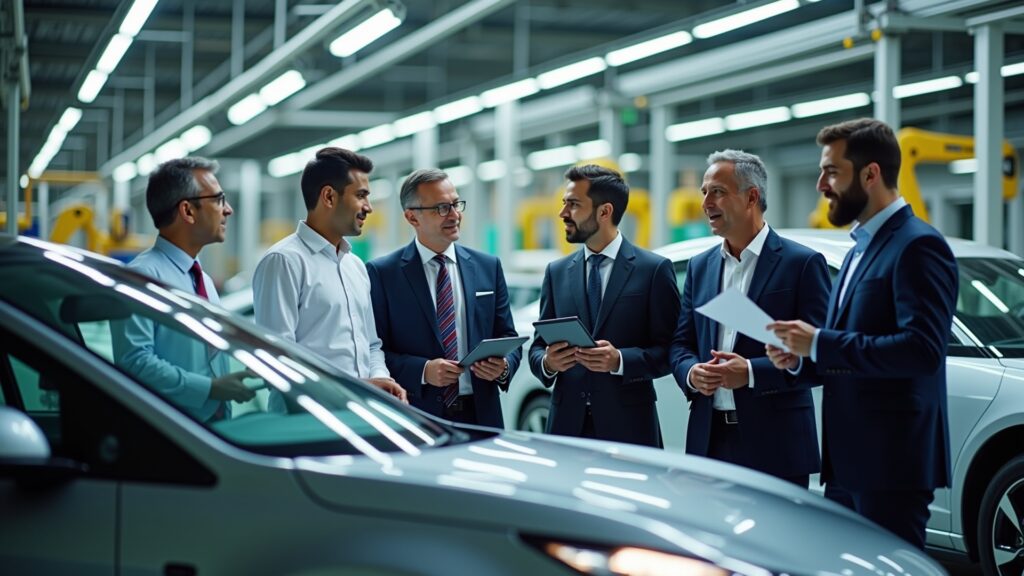
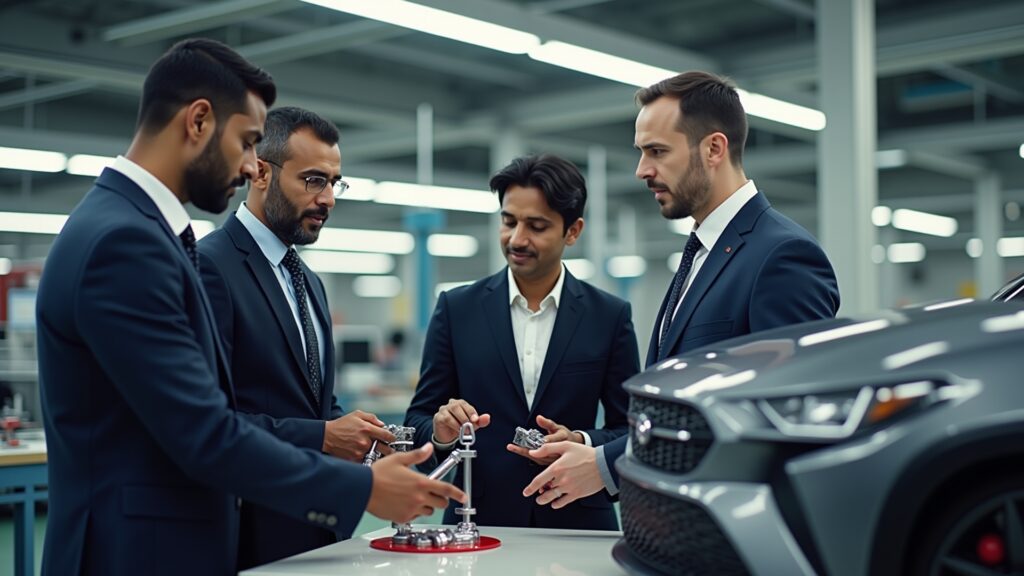
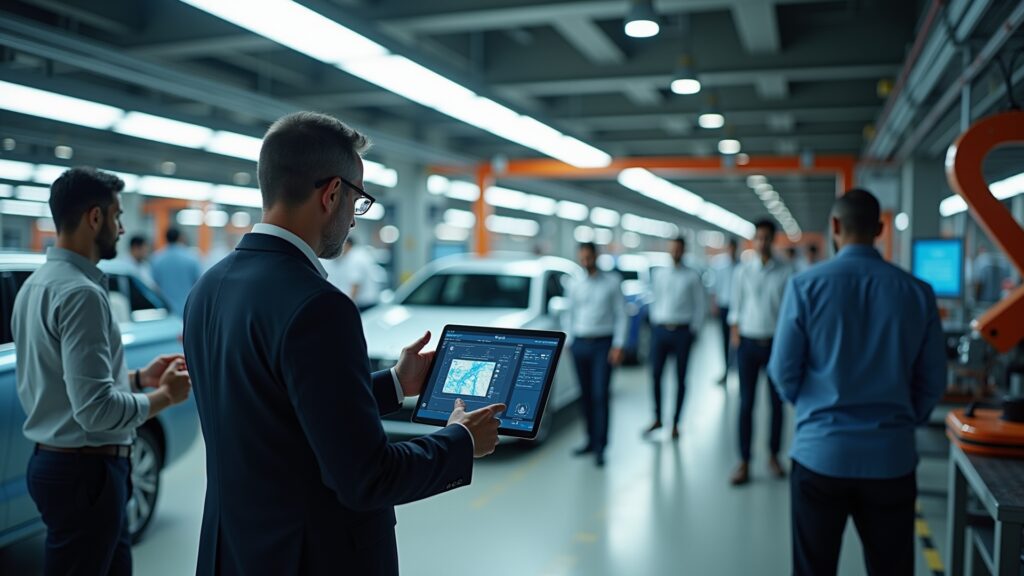









The projected surge in automotive sales in India for fiscal year 2026 is much more than a headline number—it is a clarion call for you, as an industry leader or stakeholder, to recalibrate your strategies to match the evolving dynamics of India’s automotive landscape. This growth signals a transformational phase that combines volume expansion with deeper shifts in manufacturing localisation, product innovation, and policy frameworks. Ignoring these strategic shifts could risk your business’s competitive edge in one of the fastest-growing automotive hubs globally.
Why This Matters to Your Business
As you navigate the complexities of the automotive sector, understanding the forces behind the FY26 auto sales boom is critical. The rising sales figures reflect not only increased consumer demand but also a reshaping of supply chains and manufacturing footprints that directly impact your cost structures, product development, and market positioning. For OEMs, suppliers, investors, and policy influencers, this translates to new avenues for profitability and growth, but also fresh challenges that demand proactive adaptation.
Decoding the Shift: What Is Happening in FY26 Auto Sales?
India’s auto industry is experiencing unprecedented growth propelled by multiple intertwined factors. The core catalyst is the aggressive localisation strategy that strengthens a domestic supplier base, reduces reliance on volatile imports, and enhances product competitiveness. Simultaneously, government policies promoting electric and hybrid vehicles coupled with demand shifts towards greener mobility solutions are redefining market priorities. These elements combined have set the stage for an automotive ecosystem that is both growth-driven and strategically evolving.
Strategic Business and Automotive Impacts
For original equipment manufacturers (OEMs), this surge demands a dual approach: scaling up production efficiently while pivoting portfolio strategies towards electric and hybrid vehicles, aligning with regulatory mandates and consumer shifts. Investment in Industry 4.0 technologies—AI-driven automation, smart factories, connected supply chains—becomes indispensable to sustain profitability amidst this growth trajectory. Moreover, local component manufacturers stand to gain from increased domestic content mandates, enhancing their role in the value chain.
From an export perspective, the elevated production volume and enhanced localisation improve cost competitiveness, enabling Indian OEMs to bolster their footprint in global markets. This positions India not simply as a consumption powerhouse but as a vital node in the multinational automotive supply chain.
Policy and Investment: Catalysts for Sustainable Growth
The government’s role cannot be overstated. Incentives targeted at electric vehicle manufacturing, charging infrastructure development, and research & development investments create a conducive environment for sustained industry evolution. This proactive policy support attracts fresh capital influxes from domestic and international investors, accelerating innovation and capacity expansions.
“In the automobile industry, speed is valuable — but strategic timing creates lasting advantage.”
Strategic Analysis: Navigating the Shift with Intent
For you leading an OEM, supplier, or investment firm, the FY26 sales boom signals more than market growth; it flags the need for strategic foresight and agility. Embracing localisation is no longer optional but foundational to supply chain resilience and cost efficiency. Prioritizing the transition to electric and hybrid models aligns your portfolio with future regulatory environments and consumer expectations.
Furthermore, integrating cutting-edge manufacturing technologies isn’t just about cost savings—it’s about building a flexible, scalable, and quality-focused manufacturing ecosystem capable of responding to global disruptions and shifting market demands. Your strategic partnerships and R&D focus must pivot accordingly to harness emerging technological trends and innovation in EV batteries, connected mobility software, and charging infrastructure.
“The real edge is not only in building vehicles, but in controlling the technology, supply chain, and customer experience behind them.”
Practical Takeaways: What You Should Do Next
- Understand Localisation Imperatives: Accelerate supplier development programs and integrate more domestic components to reduce supply chain vulnerabilities.
- Expand EV and Hybrid Capabilities: Align product development strategies to prioritize electrification, leveraging government incentives and market momentum.
- Invest in Smart Manufacturing: Adopt Industry 4.0 technologies such as AI automation and data analytics to optimize operations and maintain quality at scale.
- Enhance Export Readiness: Leverage cost advantages and improved quality from localisation to target international markets aggressively.
- Monitor Policy Evolution: Stay engaged with regulatory updates and incentive schemes to align business strategy promptly.
Risks and Challenges to Consider
While the FY26 auto sales boom presents significant opportunities, it also brings challenges you must navigate carefully. Supply chain disruptions persist globally; thus, localisation must be executed with quality and capacity in mind. The capital intensity of shifting towards electric and hybrid vehicle portfolios may strain financial resources if not managed strategically. Additionally, consumer adoption of EVs hinges on infrastructure development, which is uneven across regions.
What to Watch Moving Forward
Keep a close eye on government policy adjustments related to EV incentives and import-export regulations. Monitor advancements in battery technology and charging infrastructure as these will be crucial determinants of market penetration for electric vehicles. Pay attention to global supply chain stability and raw material availability, which could impact localisation efforts and cost structures.
“When manufacturing strength, policy clarity, and market demand align, automotive growth becomes far more scalable.”
Conclusion: Seizing the Strategic Moment in FY26
The FY26 auto sales boom in India is a defining moment for the automotive industry that demands your full strategic attention. This growth is not just about volume; it is about fundamentally reshaping manufacturing footprints, product portfolios, and market strategies. By harnessing the power of localisation, embracing the electric and hybrid transition, and committing to smart, scalable production, you can position your business for sustainable profitability and global competitiveness.
This pivotal phase invites you to rethink partnerships, investments, and innovation pathways to stay ahead in an increasingly complex and dynamic market. The choices you make today in response to this boom will shape the future trajectory of your organization and India’s standing in the global automotive arena.