












You may not immediately connect a urea shortage with your automotive business, yet the recent Hormuz shutdown disruption signals more than just agricultural supply issues—it could reshape the contours of India’s automotive supply chains and manufacturing landscape. Understanding this ripple effect is crucial for you as a decision-maker, investor, or influencer in the automotive sector who is navigating a complex, interdependent global market.
Why This Development is Critical for Your Automotive Enterprise
Urea, primarily a nitrogenous fertilizer, serves as a bellwether for the stability of petrochemical inputs that underpin much of your automotive supply chain. The Hormuz Strait is a strategic chokepoint for hydrocarbon exports. Its shutdown disrupts not only fuel supplies but also chemical precursor availability that your auto component manufacturers rely on daily. This has direct implications on production costs, material quality, and ultimately your supply resilience.
In essence, this is not just about a fertilizer shortage; it is a signal flare for vulnerabilities within the upstream chemical and raw material network supporting your vehicle manufacturing operations.
Understanding the Impact: Hormuz Shutdown and Urea Shortage Explained
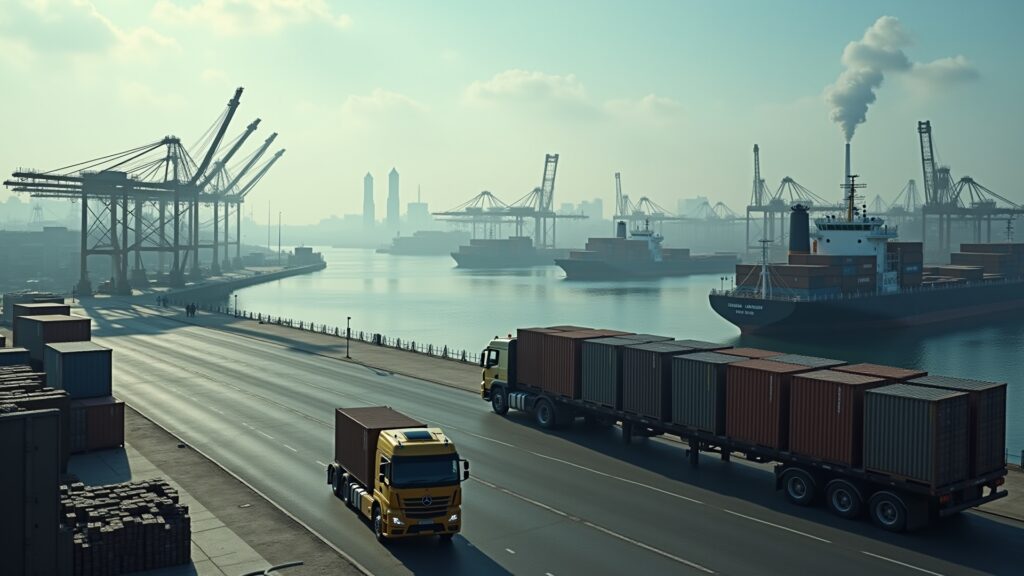
The Strait of Hormuz is a pivotal maritime route for global energy and petrochemical trade. Recent shutdown events have constrained supply flows, causing cascading shortages in critical chemicals derived from hydrocarbons, including those essential in urea production. This shortage exposes the fragility of India’s dependence on foreign petrochemical imports.
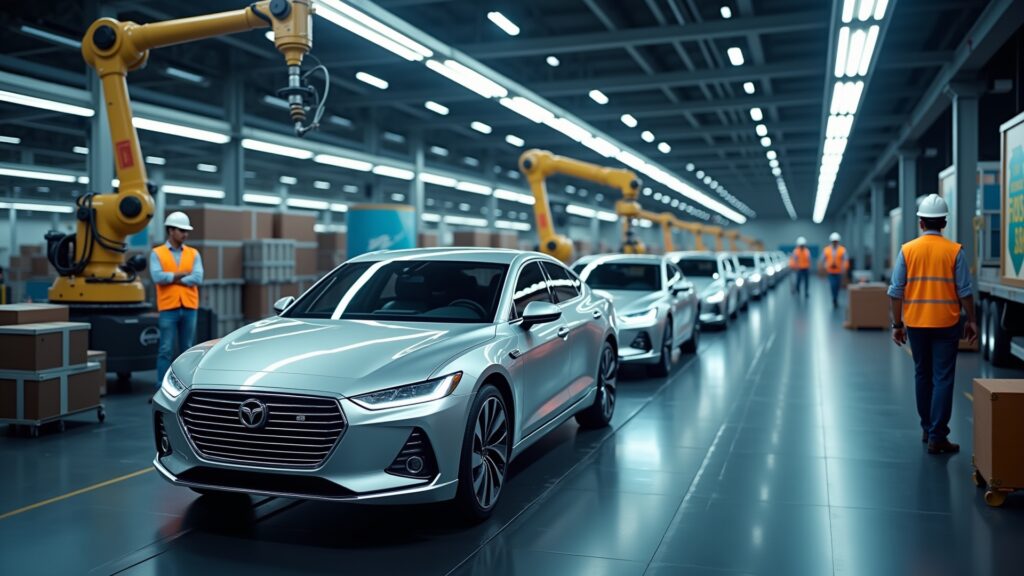
Because your automotive supply chains heavily rely on petrochemical derivatives for plastics, synthetic materials, and intermediary chemicals, any disruption here directly threatens production schedules and cost structures. Sectors like electric vehicles (EVs) are especially sensitive, given their reliance on chemical compounds for battery production and electronics assembly.
Key Business Impacts and Strategic Considerations for the Indian Automotive Industry
This situation provokes essential strategic reflection on four fronts:
- Supply Chain Resilience: Your suppliers’ readiness to manage sudden shortages of raw chemical inputs has never been more critical.
- Localisation and Vertical Integration: Increasing domestic production of petrochemical inputs must move from strategic aspiration to operational priority.
- Diversification of Sourcing: Innovation in procurement channels can buffer you against geopolitical and logistical risks impacting the Hormuz Strait and similar chokepoints.
- Investment Decisions: Investors in your ecosystem are sharpening their focus on supply chain sustainability and risk mitigation.
As this disruption reveals, petrochemical supply continuity underpins the quality and economics of the plastic components, synthetic composites, and chemical materials you utilize. Ensuring these supplies are secured can affect everything from the refined finish of OEM parts to the durability of EV battery casings.
Strategic Insights: Navigating The Hormuz Crisis With Long-Term Vision
For you steering the automotive industry’s strategic direction, this episode demands a recalibration of risk and opportunity. Consider the following insights:
- Accelerate Local Chemical Industry Development: Reducing import dependency through targeted investments and government-industry partnerships in chemical manufacturing will fortify your supply chains.
- Validate Your Supply Base Agility: Regular stress-testing of suppliers’ risk management capabilities around petrochemical disruptions will enhance your operational robustness.
- Leverage Policy Advocacy: Engage actively with policy frameworks promoting localisation, incentives for domestic production, and alternative sourcing ports and routes.
- Focus on EV and Battery Material Security: Given electrification’s ascendancy, ensuring chemical and raw material assurance for battery manufacturing is paramount.
“The real edge is not only in building vehicles, but in controlling the technology, supply chain, and customer experience behind them.”
Practical Takeaways: What You Should Prioritize Now
- Assess your supply chain’s exposure to petrochemical disruptions and prioritize partners with diversified sourcing strategies.
- Invest in supplier development programs that encourage local chemical raw material production and resilience practices.
- Monitor geopolitical developments around critical chokepoints like Hormuz to anticipate and mitigate impact early.
- Expand your scenario planning to include chemical input shortages, especially those affecting EV battery supply chains.
- Engage with industry groups and policymakers to support localisation and supply chain security initiatives.
Broader Risks and Challenges to Navigate
Despite best efforts, global geopolitical uncertainties such as ongoing tensions in the Middle East may prolong disruptions. The chemical supply chain’s complexity means single points of failure can have outsized effects. Overcoming these challenges requires a multi-pronged approach integrating government policy, industry collaboration, and private sector investment.
Moreover, the volatility in petrochemical prices during such disruptions could compress margins and shift cost dynamics, challenging your pricing strategies and profitability.
What to Watch Next: Signals and Trends on Your Radar
- Government announcements on strategic chemical production and localisation mandates.
- New investments or partnerships announced by OEMs focused on supply chain resilience.
- Geopolitical developments around the Hormuz Strait or alternative shipping routes impacting petrochemical logistics.
- Advancements in alternative chemical inputs or recycling technologies that might offset supply dependency.
- Investment trends targeting battery and chemical raw material security for the EV sector.
“When manufacturing strength, policy clarity, and market demand align, automotive growth becomes far more scalable.”
Conclusion: Turning a Supply Crisis into a Strategic Advantage
The Hormuz shutdown and the associated looming urea shortage underline a pressing truth for your automotive business: your supply chain’s upstream vulnerabilities demand strategic attention. By proactively addressing these risks through localisation, supply diversification, and strategic investment, you can transform this challenge into a competitive advantage.
Your success in the evolving Indian automotive landscape depends not only on your vehicles’ quality and innovation but also on mastering the complexity behind the scenes—primarily in securing resilient, sustainable raw material sources amidst global uncertainties.
Understanding the Hormuz shutdown urea shortage impact on Indian auto industry is not just about mitigating risk—it’s a chance to lead with foresight and build a future-ready, globally competitive automotive sector.