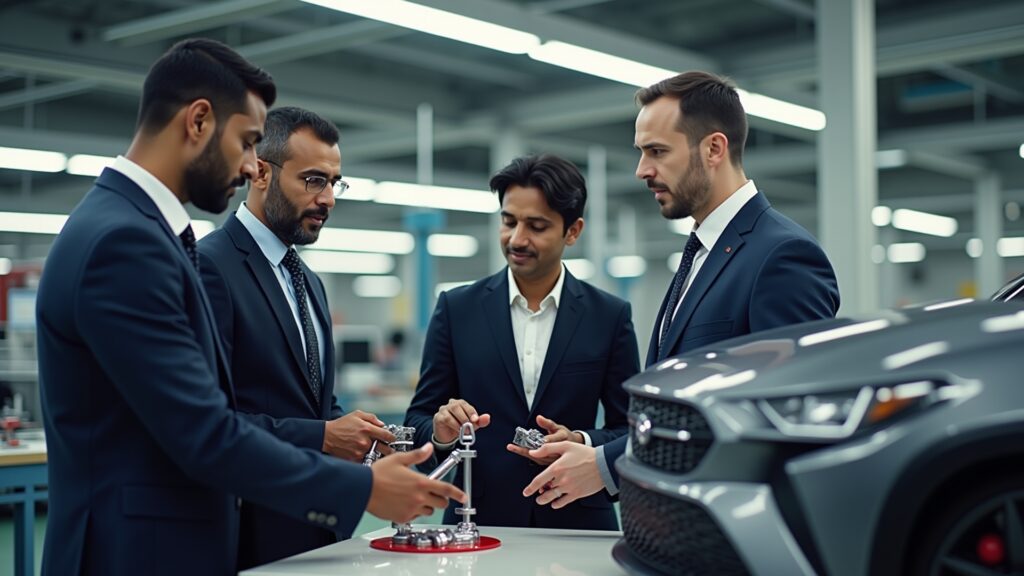
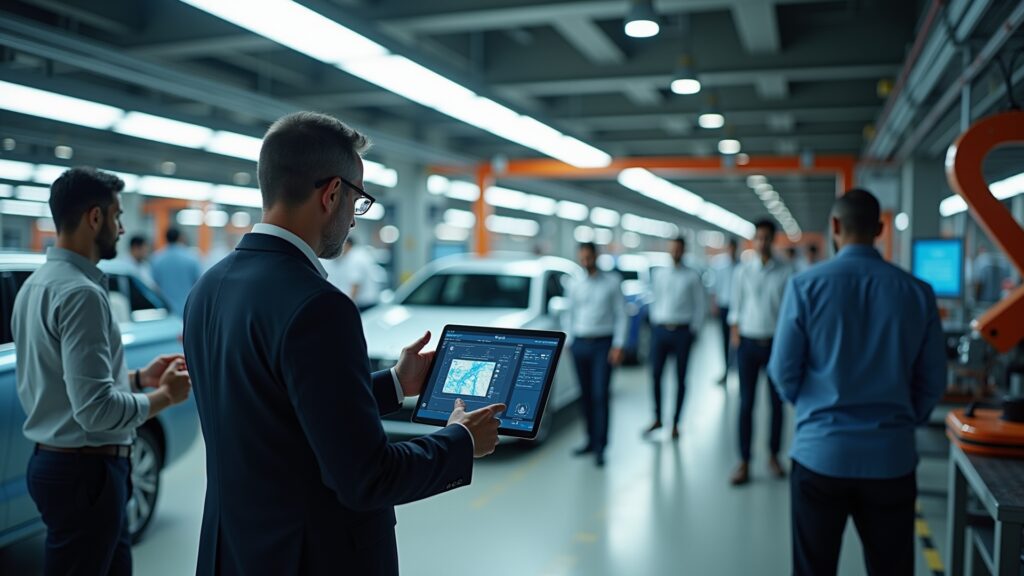










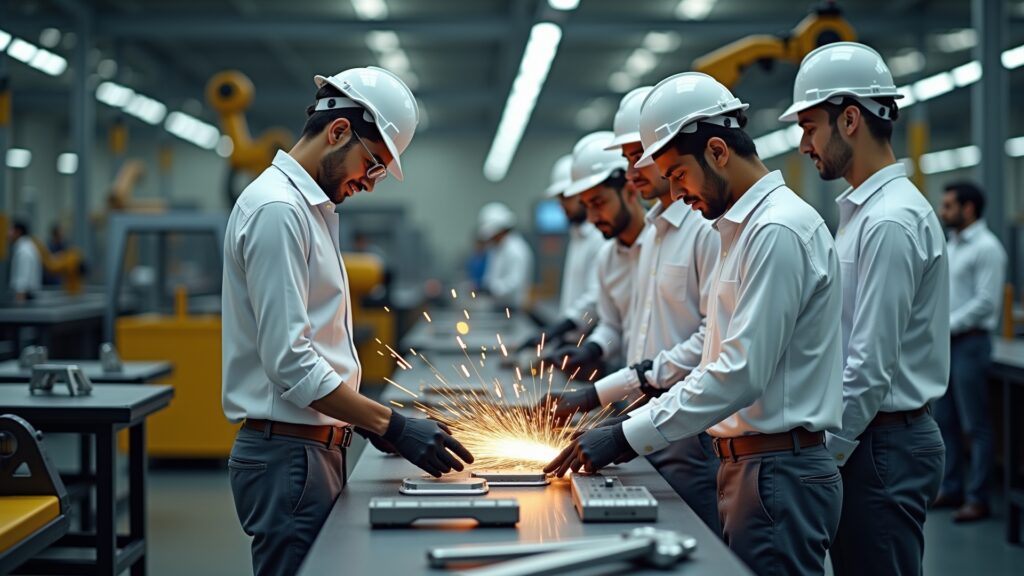
You are steering through an industry shaped by rapid technological evolution and global realignments. Understanding India’s auto component metal forming market forecasted to reach USD 90–95 billion by FY30 is critical for your strategic positioning. This market surge is not just a headline figure—it directly influences your supply chain resilience, manufacturing capabilities, export potential, and how you adapt to shifts driven by electric and hybrid vehicle demands.
Why This Development Should Command Your Attention
As a leader in the automotive ecosystem, this market expansion signals a profound opportunity and challenge. Metal forming is foundational in crafting the structural backbone of vehicles, from chassis to intricate safety components. Its growth reflects more than volume increases; it is a barometer of India’s ambition to evolve from a production base to a global manufacturing and export hub aligned with future mobility trends.
For your business, this means a tighter integration with advanced manufacturing processes, amplified localisation to mitigate global supply shocks, and an enhanced ability to meet the sophisticated demands of EV and hybrid platforms — where component precision and material performance directly drive vehicle efficiency and safety.
What’s Driving the India Auto Component Metal Forming Market Growth?
The projected USD 90–95 billion market size by 2030 is bolstered by multiple converging factors:
- Electric and Hybrid Vehicle Production: These vehicles require high-strength, lightweight metal components that demand precision forming technologies.
- Localisation Strategies: Government incentives and OEM mandates are accelerating onshore manufacturing to reduce import dependency and secure supply chains.
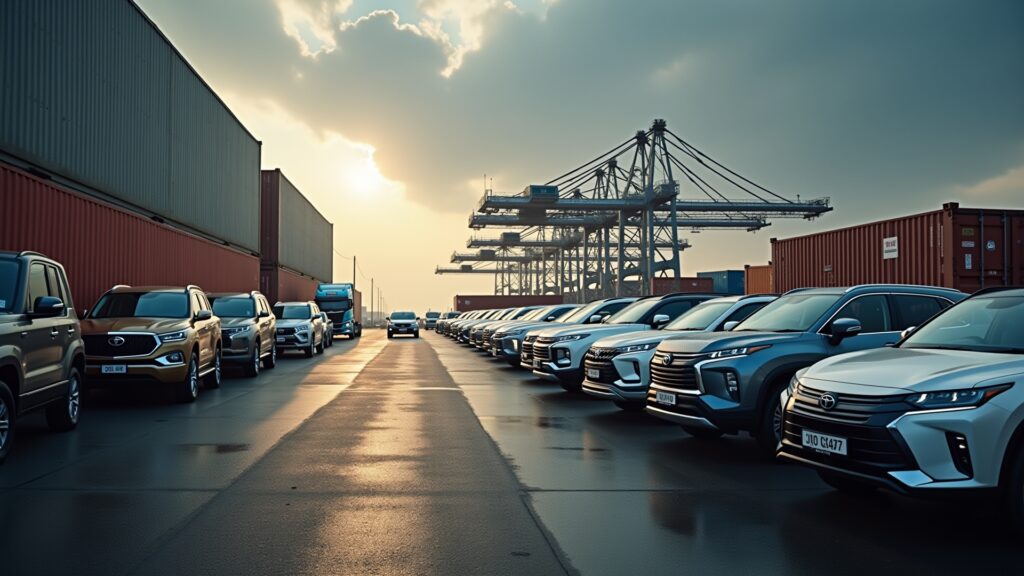
- Export Demand: India’s competitive cost structure and improving manufacturing quality are expanding its footprint in global automotive supply chains.
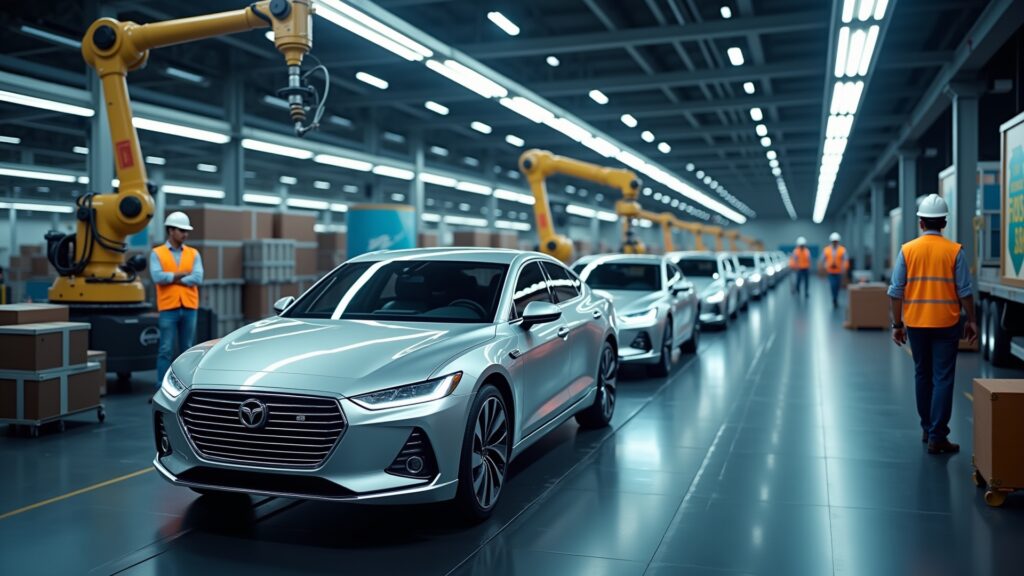
- Technological Upgradation: Adoption of AI, robotics, and Industry 4.0 in metal forming enhances efficiency and component quality.
Strategic Implications for OEMs and Component Manufacturers
This growth trajectory reshapes your strategic priorities in several ways:
- Invest in Advanced Manufacturing: Transitioning towards AI-powered Precision Engineering and Industry 4.0 adoption is crucial for producing complex, customised components suited for EVs and hybrids.
- Enhance Supply Chain Resilience: Localising metal forming capabilities reduces risks from global disruptions and fluctuating trade dynamics.
- Leverage Export Opportunities: Position your operations to capitalize on expanding trade agreements and rising international demand.
- Drive Innovation: Invest in R&D to develop higher strength-to-weight ratio components, improving vehicle safety and efficiency.
“In the automobile industry, speed is valuable — but strategic timing creates lasting advantage.”
Broader Market and Investment Dynamics
The metal forming sector’s expansion invites a fresh wave of interest from investors seeking scalable, technology-driven manufacturing ventures. As you consider capital allocation, the intersection of manufacturing excellence and technology integration in this domain offers promising returns aligned with global EV shifts and localisation mandates.
Component suppliers who harness export potential gain a significant competitive edge, riding on India’s growing stature as an automotive export hotspot. This market also prompts a reassessment of partnership and joint venture strategies designed to enhance technology absorption and supply chain agility.
Insights to Guide Your Next Moves
- Prioritize upgrading your manufacturing setup to incorporate AI and Industry 4.0 capabilities in metal forming processes.
- Align your product development strategies with evolving EV and hybrid component requirements focused on lightweight and safety-critical designs.
- Collaborate closely with policymakers and industry bodies to maximize the benefit of localisation incentives and export facilitation.
- Monitor global trade policies and raw material supply trends that impact metal forming inputs and costs.
“The real edge is not only in building vehicles, but in controlling the technology, supply chain, and customer experience behind them.”
Challenges and Risks You Should Consider
This remarkable forecast does not come without caveats. The metal forming industry must navigate technological adoption barriers, skills shortages, and raw material price volatility. You face the persistent challenge of balancing cost efficiency with the need to upgrade capabilities to handle newer materials and designs crucial for EVs.
Moreover, policy shifts, while largely supportive, require agile response strategies to capitalize on incentives timely without over-dependence on subsidies.
What to Watch in the Coming Years
As the India auto component metal forming market grows, keep a close watch on:
- Emerging technologies in metal forming, including additive manufacturing and novel alloy processing.
- Evolving government policies on localisation, export incentives, and EV ecosystem support.
- Shifts in global trade dynamics, especially impacting raw material availability and component export demand.
- Strategic moves by global OEMs and tier-1 suppliers expanding their footprint in India.
Conclusion: Positioning Yourself for Sustainable Growth
India’s auto component metal forming market growth is not just a forecasted statistic but a pivotal business signal. For you as an automotive leader, this development compels a forward-looking approach—integrating technology innovation, supply chain localization, and market diversification.
By embracing these trends, your organization can cement its position in the evolving Indian automotive landscape, capitalize on electric and hybrid vehicle transitions, and leverage India’s emerging role as a global manufacturing powerhouse.
“When manufacturing strength, policy clarity, and market demand align, automotive growth becomes far more scalable.”