










March 2024 marked a pivotal moment for India’s automotive sector—wholesales surged prominently, led by passenger vehicles (PVs) and tractors. As a stakeholder in the automotive ecosystem, you stand at the crossroads where this development is more than just a quarterly spike; it is an indicator of evolving market dynamics with profound implications for your strategic decision-making, manufacturing priorities, and long-term positioning in the industry.
Why This Wholesale Surge Matters to You
Understanding the nuances behind India auto wholesales in March 2024 is crucial for you—whether you are an OEM executive, supplier, investor, or policymaker. This growth signals robust demand pockets within urban passenger mobility and rural agricultural machinery that together sketch a larger picture of consumption resilience despite economic uncertainties. For your business, this means re-evaluating supply chain agility, local content strategies, and innovation focus to capture these growth pockets effectively.
What Is Happening in India’s Auto Wholesales?
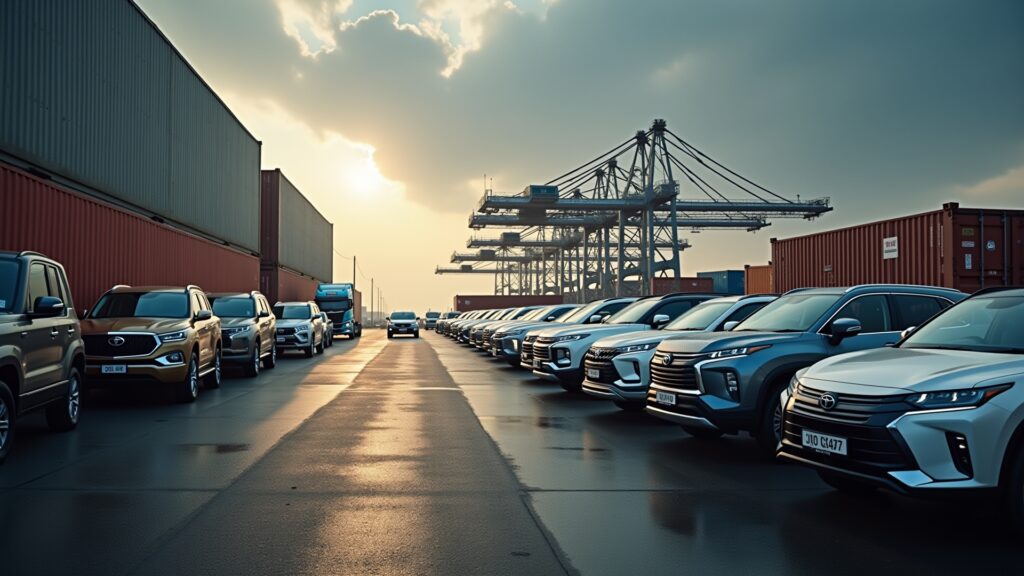
The recent data confirms that passenger vehicles and tractors have driven wholesale volumes upward, reflecting sectors that are thriving within their domains. Passenger vehicles’ demand underscores urban consumer confidence and the continuing necessity for personal mobility, while tractor sales signify a steady agricultural economy underpinning rural demand trends. This dual momentum suggests a balanced growth pattern spanning distinct demographic and economic segments.
Key Business and Industry Impacts
Your strategic lens should focus on several critical aspects shaping this surge:
- Localisation and Supply Chain Resilience: As OEMs race to capitalize on increasing demand, boosting local manufacturing and component sourcing is imperative. Localisation enhances cost efficiencies and mitigates global supply chain disruptions.
- Export and Global Manufacturing Hub Prospects: With India advancing as a global manufacturing and export center, increased auto wholesales enhance export volumes, fortifying India’s competitive position in the international automotive market.
- Technology and Product Strategy: The juxtaposition of traditional segments like tractors with rapid PV growth opens pathways for technology transfer, particularly in electric and hybrid vehicle segments, shaping your R&D and production roadmap.
- Policy and Regulatory Evolution: Regulatory bodies will likely intensify efforts to balance localisation incentives with stringent emissions standards and quality benchmarks, directly influencing your compliance and innovation investments.
Strategic Insight: Navigating Through Demand and Innovation
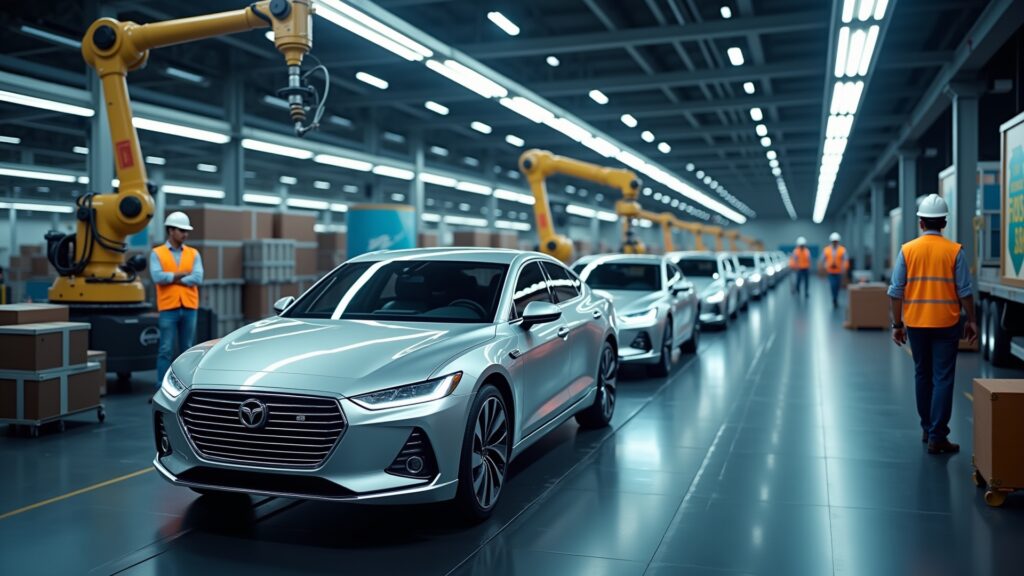
For you steering manufacturing operations or shaping market strategies, this surge is a call for integrated, agile approaches. Leveraging advanced analytics and AI-driven manufacturing can help dynamically scale production, optimize inventory, and anticipate market shifts. Simultaneously, prioritizing sustainability through electrification and connected vehicle technologies will align you with emerging global mobility trends.
“In the automobile industry, speed is valuable — but strategic timing creates lasting advantage.”
The resilience shown by PV and tractor segments requires you to rethink capacity planning—as growth sustains, supply chain bottlenecks and component sourcing pressures could intensify. A proactive partnership ecosystem involving suppliers, tech firms, and policymakers will be vital to maintain momentum and profitability.
Practical Takeaways for Automotive Leaders
- Reassess your supply chain robustness and local supplier partnerships to leverage rising demand efficiently.
- Monitor shifts in rural and urban consumption trends; tailor your portfolio balancing traditional and electrified offerings.
- Invest in AI and data analytics to increase manufacturing agility and predictive responsiveness.
- Engage closely with policymakers to shape conducive regulatory frameworks supporting localisation and sustainability.
- Explore export opportunities by aligning production quality and volumes with global market expectations.
“The real edge is not only in building vehicles, but in controlling the technology, supply chain, and customer experience behind them.”
Risks and Challenges Ahead
While the wholesale surge presents numerous opportunities, you should remain cautious of potential hurdles that can influence your strategic roadmap. Capacity constraints, rising input costs, and fluctuating raw material availability could strain production efficiency. Moreover, keeping pace with technology shifts—especially in the EV sector—requires sustained capital investment and talent acquisition.
What You Should Watch Next
Tracking developments in policy incentives for EVs, trends in battery sourcing and charging infrastructure, and evolving consumer preferences will be essential. Additionally, closely watching how suppliers respond to localisation demands and how OEM retail and dealership networks adapt to changing market realities will offer insights into future growth vectors.
Conclusion: A Strategic Signal, Not Just a Seasonal Spike
The surge in India auto wholesales in March 2024 transcends conventional sales cycles—it signals emerging structural shifts in your industry. Capitalizing on this momentum requires leadership that combines strategic foresight, operational agility, and commitment to innovation. By understanding the multifaceted implications—from supply chain localisation to technology integration—you position your enterprise to not only ride this wave but also shape the future trajectory of India’s automotive landscape.
“When manufacturing strength, policy clarity, and market demand align, automotive growth becomes far more scalable.”
Stay vigilant, informed, and proactive. The opportunities in India’s evolving automotive market are there for you to seize—smart strategy and decisive action will define your success.