










As a leader or stakeholder in India’s automotive sector, you’re facing a complex landscape shaped by more than just market trends and consumer preferences. The recent escalation of geopolitical tensions in Iran has prompted the Indian government to advise the automotive industry to tighten production protocols and conserve fuel. Far beyond a short-term production adjustment, this directive signals a pivotal shift in how you must approach operational efficiency, supply chain resilience, and strategic planning amid global uncertainties.
Why This Matters to You
This development impacts your bottom line, operational continuity, and competitive positioning. India imports a significant portion of its crude oil, and disruptions triggered by conflicts involving Iran — a key oil player — threaten fuel availability and price stability. For your automotive business, this translates into direct cost pressures and potential production slowdowns.
More importantly, it’s a wakeup call to reconsider your manufacturing footprint, supply chain dependencies, and the pace at which you transition to less fuel-dependent technologies like electric vehicles (EVs) and hybrids. The push for fuel conservation is not just regulatory compliance; it’s a strategic opportunity to align your business with India’s broader ambitions to strengthen localisation, sustainability, and technological leadership.
What Is Happening in India’s Auto Industry
The Indian government’s call for the auto sector to conserve fuel and tighten production measures comes as a direct response to supply uncertainties caused by the war involving Iran. This conflict has heightened volatility in global oil markets, posing challenges to crude oil imports and downstream fuel availability in India.
The government’s advisory expects manufacturers to:
- Review and optimize production schedules to reduce unnecessary fuel usage.
- Implement energy efficiency protocols across manufacturing operations.
- Accelerate initiatives toward electric and hybrid vehicle production.
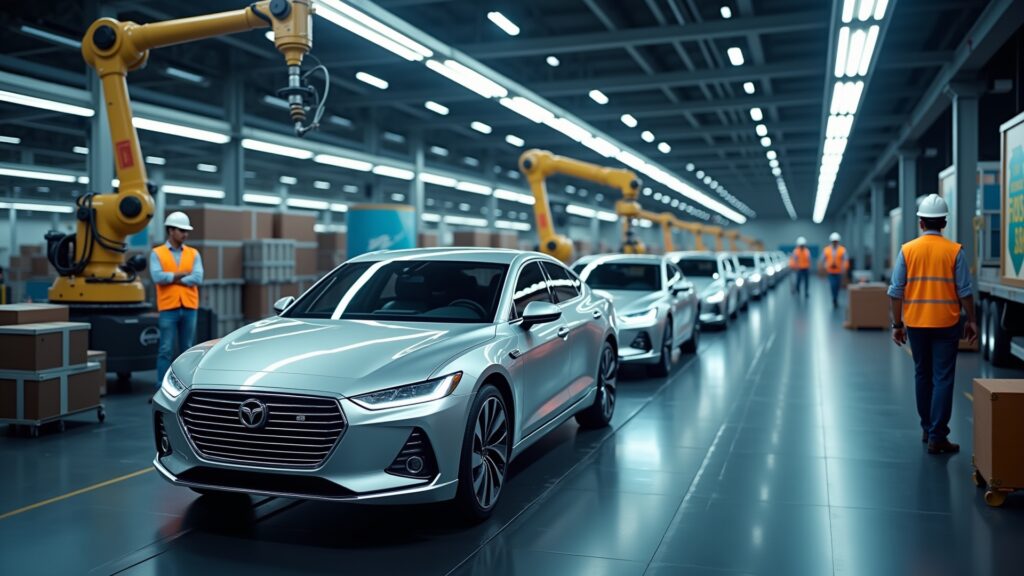
From OEMs to component suppliers, everyone is asked to recalibrate operations in a way that conserves fuel while sustaining output quality and market responsiveness.
Key Business and Strategic Impacts
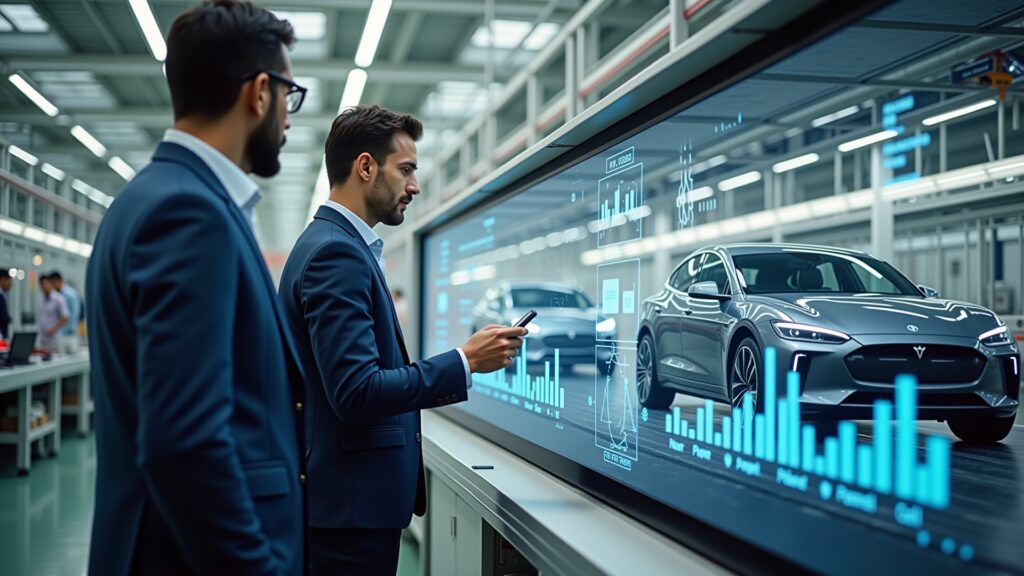
For you as an OEM or supplier, tighter production controls translate into a tangible need to innovate operational efficiency. This means leveraging digitalization, AI-driven manufacturing processes, and leaner logistics strategies that reduce fuel consumption without sacrificing output.
The fuel conservation directive is also a strategic prompt to accelerate the shift toward electrification. India’s automotive future is undeniably electric and hybrid; fuel constraints only underscore the urgency of this transition. Integrating EV and hybrid platforms into your portfolio not only mitigates fuel-related risks but positions your brand advantageously in a rapidly evolving market.
On the supply chain front, heightened fuel costs and risks emphasize the need for localisation. Reducing dependency on imported components and shifting sourcing closer to your manufacturing hubs can cut logistics fuel costs and buffer supply disruptions. This is a critical factor to enhancing India’s global competitiveness as an automotive manufacturing and export hub.
Strategic Analysis: Turning Disruption into Opportunity
The current geopolitical and fuel supply challenges may feel like a setback, but they offer a strategic inflection point. You have an opportunity to improve sustainable manufacturing practices, such as adopting energy-efficient technologies and embedding AI-led optimizations.
Moreover, aligning your business strategy with India’s policy push towards decarbonisation and localisation will safeguard you against future shocks and open access to incentives and support mechanisms offered by the government.
Consider these guiding perspectives:
“In the automobile industry, speed is valuable — but strategic timing creates lasting advantage.”
“The real edge is not only in building vehicles, but in controlling the technology, supply chain, and customer experience behind them.”
Practical Takeaways for Automotive Leaders
- Audit your current production and logistics to identify fuel-saving opportunities. Small efficiencies can cascade into significant cost reductions.
- Accelerate your EV and hybrid vehicle development plans. Fuel shortages amplify the business case for electrification.
- Invest in supply chain localisation. Prioritize local suppliers to reduce fuel-dependent logistics and improve resilience.
- Leverage advanced manufacturing technologies. AI and automation can enhance production efficiency and reduce energy consumption.
- Engage with policymakers to align your strategies with regulatory shifts and incentive schemes.
Potential Risks and Challenges
The immediate challenge you face is balancing production efficiency with maintaining supply and meeting market demand. Fuel conservation measures could pressure delivery timelines and increase operational complexity.
There are also investment risks. Accelerating EV development and reconfiguring supply chains demand capital allocation that may strain finances, especially amidst global uncertainties and fluctuating demand.
While localisation strengthens supply chain resilience, it can carry higher short-term costs and require robust supplier development initiatives.
What You Should Monitor Next
Stay alert to geopolitical developments, particularly in oil-producing regions like the Middle East. Fuel price trends, government policy updates, and incentive programs targeting clean mobility and localisation will directly influence your strategic choices.
Additionally, track technological advancements in manufacturing efficiencies and charging infrastructure development, which can provide competitive edges amidst the transition phase.
Conclusion: Navigating the Crossroads of Geopolitics and Indian Automotive Transformation
India’s directive to conserve fuel amid the Iran conflict signals a deeper transformation within the automotive sector’s production strategy. As an automotive business leader, you must balance immediate operational adaptations with long-term investment in sustainable, localized, and technologically advanced manufacturing.
By proactively embracing fuel conservation not as a limitation but as a strategic lever, you position your company to thrive despite global uncertainties. In doing so, you contribute to India’s evolving role as a resilient, competitive hub in the global automotive ecosystem.
“When manufacturing strength, policy clarity, and market demand align, automotive growth becomes far more scalable.”