








As you navigate the complex landscape of the automotive industry, understanding the evolving dynamics of India’s auto sector is essential. Despite facing export headwinds, India’s automotive industry is not merely sustaining growth—it’s recalibrating its strategy with clear implications for your business decisions and strategic planning.
Why This Matters to You
If you are involved in automobile manufacturing, component supply, investment, or policy-making, India’s adaptive response to global export challenges offers valuable lessons and opportunities. These developments affect your competitive positioning, supply chain reliability, and innovation priorities in a market that’s quickly moving towards localisation, sustainability, and technological advancement.
What Is Happening in India’s Automotive Export Scenario
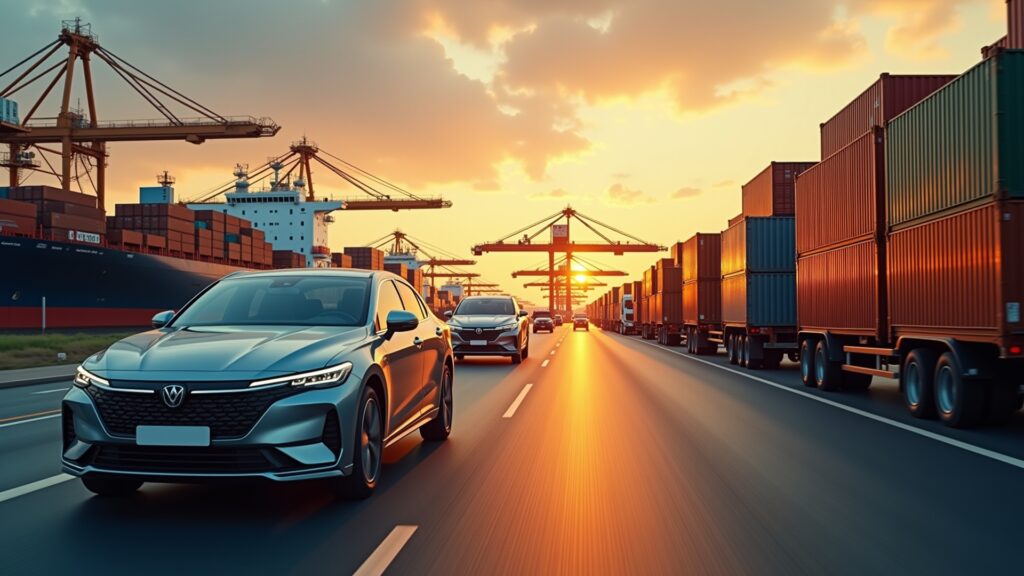
The global trade environment today is volatile, affected by fluctuating tariffs, geopolitical tensions, and uncertain market access. These factors have imposed significant pressures on Indian automotive exports, denting some near-term growth prospects. However, this export turbulence has pushed the industry to pivot decisively towards enhancing domestic supply chains and localisation initiatives, aligned closely with the government’s industrial policies promoting self-reliance and global competitiveness.
Key Business and Market Impacts
The export headwinds have catalysed several strategic shifts:
- Accelerated localisation: You are witnessing a strong push to source components domestically, which reduces dependency on volatile global suppliers and tariffs.
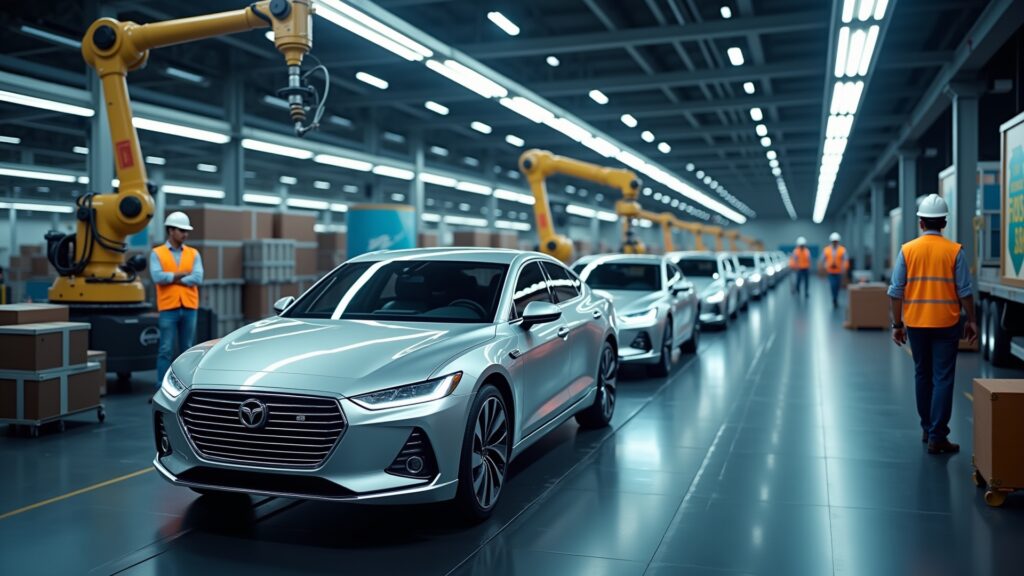
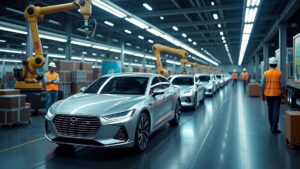
- Supply chain resilience: Companies are investing in advanced manufacturing technologies and integrating AI-driven analytics to mitigate risks and improve efficiency.
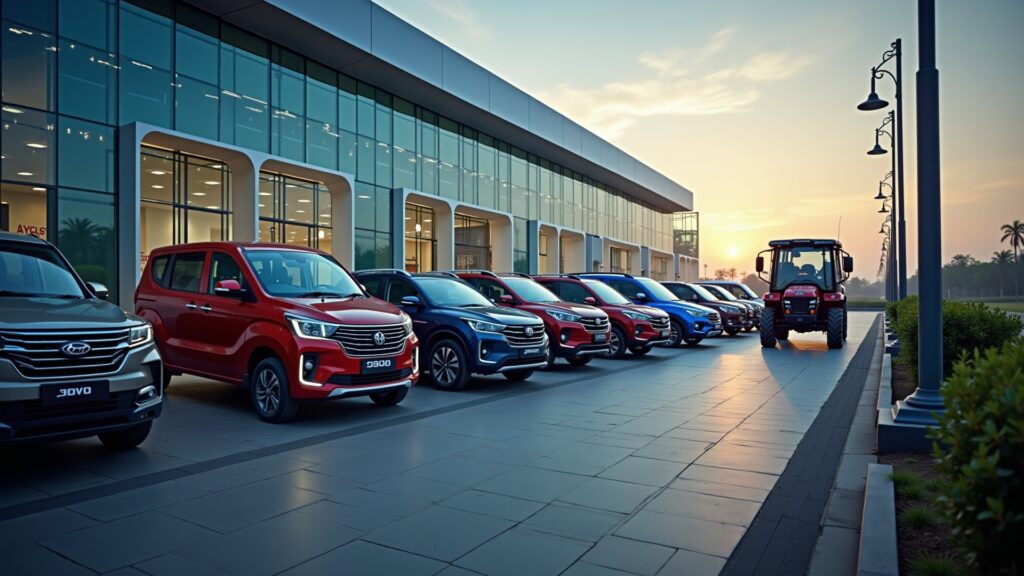
- Domestic market leverage: Rising urbanization, growing middle-class income, and the rapid adoption of electric and hybrid vehicles are stabilizing revenues and offering reliable growth avenues.
- New product development: The surge in EV and hybrid segments requires you to realign product portfolios, localise battery and powertrain manufacturing, and innovate supply chain models.
Strategic Insights for Industry Leaders
The evolving export landscape underlines the need for a long-term strategic focus beyond immediate sales figures. This means:
- Prioritising localisation: Enhancing domestic supplier ecosystems not only improves cost competitiveness but also embeds your operations within India’s industrial rise.
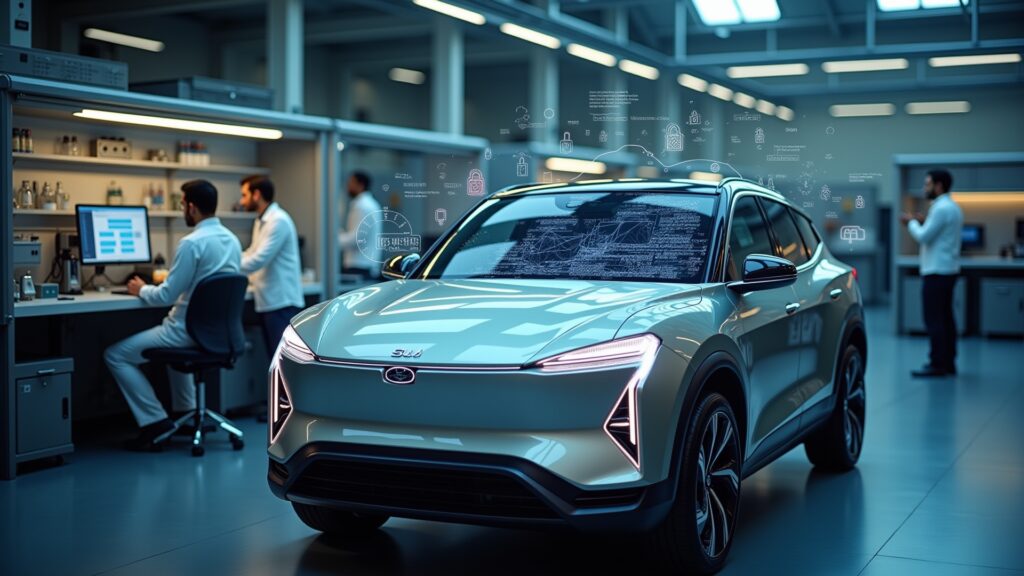
- Investing in technology: Digital manufacturing, AI-driven supply chain management, and sustainability-oriented production will future-proof your business.
- Balancing export and domestic markets: While maintaining global aspirations, solidifying your domestic market base reduces volatility and enables stable cash flow.
- Engaging with policy frameworks: Staying ahead with government incentives, compliance mandates, and sustainability goals helps you navigate risk and capitalize on emerging opportunities.
Practical Takeaways for Your Business
- Understand that export headwinds are accelerating localisation — actively pursue partnerships with domestic suppliers and invest in in-house capabilities.
- Monitor technological advancements in EV and hybrid vehicle components closely — battery and powertrain localisation will be a key competitive differentiator.
- Enhance supply chain transparency and flexibility by adopting AI and digital tools to respond swiftly to market shifts.
- Evaluate your market diversification strategies — while exports face challenges, domestic growth can stabilize revenues and fund innovation.
- Keep abreast of policy changes that incentivize sustainability, export diversification, and manufacturing self-reliance to align your strategic roadmap accordingly.
“In the automobile industry, speed is valuable — but strategic timing creates lasting advantage.”
“The real edge is not only in building vehicles, but in controlling the technology, supply chain, and customer experience behind them.”
Risks and Challenges to Consider
While localisation and domestic market growth are promising, the transition is not without hurdles. Increasing localisation requires substantial capital investment, supplier development, and technology transfers. Export diversification efforts may face ongoing geopolitical and tariff uncertainties. Moreover, the rapid shift to EVs demands new skills and supply chain adaptations which can strain existing manufacturing ecosystems.
These risks reinforce the importance of agile leadership, thorough market analysis, and continuous innovation to stay competitive and resilient.
What You Should Watch Next
Keep a close eye on government policy updates, particularly regarding incentives for export diversification and EV ecosystem development. Watch the emergence of AI and Industry 4.0 technologies in manufacturing and supply chain analytics that improve operational efficiency and mitigate disruption risks. Pay attention to shifts in global trade alliances and tariff regimes that could reopen export windows or create new barriers.
Additionally, track investment trends in battery production, component localisation, and connected vehicle technologies, as these areas will define the next frontier of growth and competitiveness in India’s auto sector.
Conclusion: Navigating Export Headwinds with Strategic Agility
How export challenges are shaping India’s auto sector growth strategy is a testament to the industry’s resilience and adaptability. By doubling down on localisation, leveraging robust domestic demand, and embracing technological innovation, you position your business not only to withstand current export pressures but to seize leadership in a rapidly evolving global automotive landscape.
For you as a leader in the automotive business, balancing export ambitions with supply chain robustness and market responsiveness is critical. This approach will ensure sustainable profitability and long-term growth as India cements its role as a global automotive powerhouse.