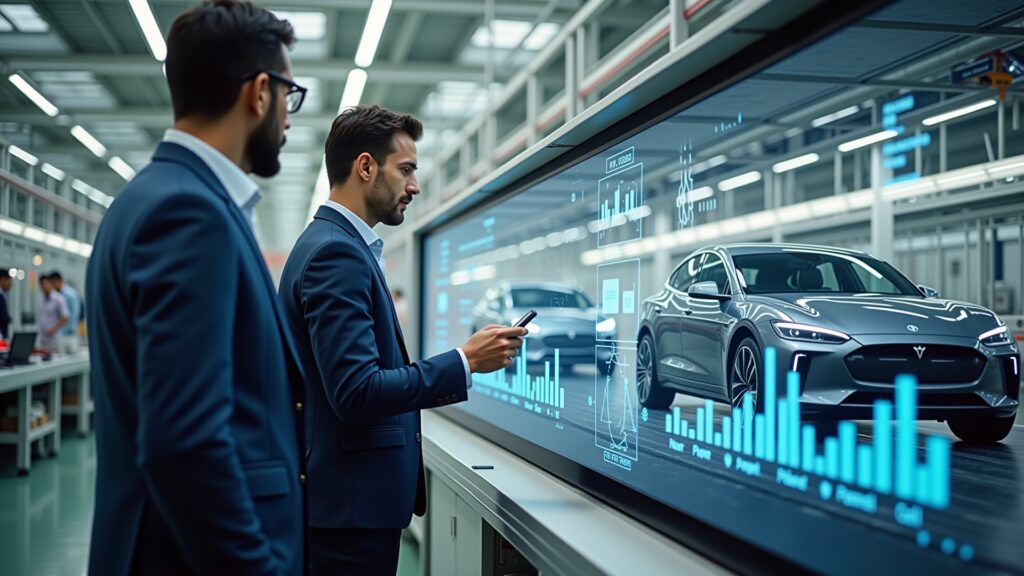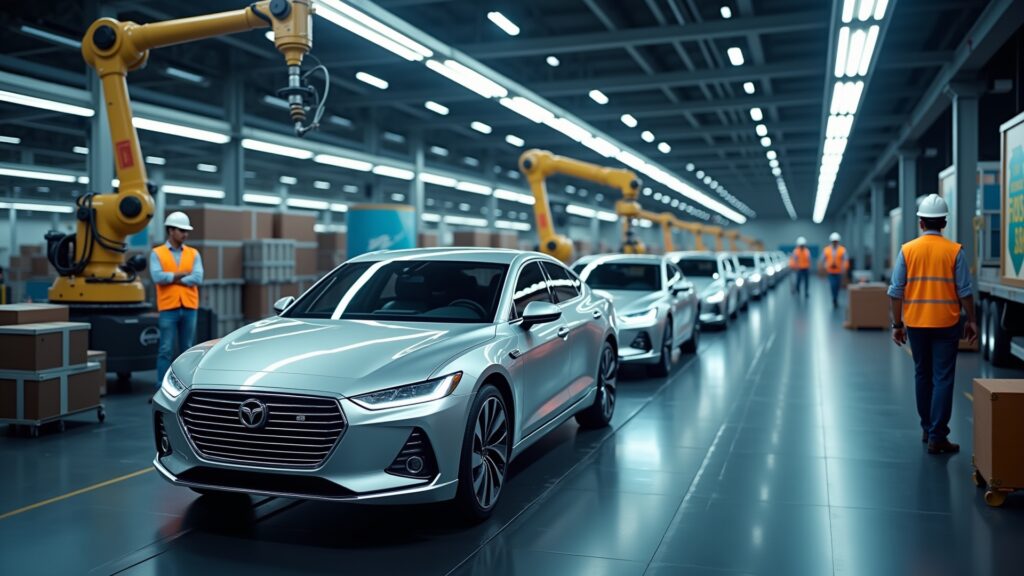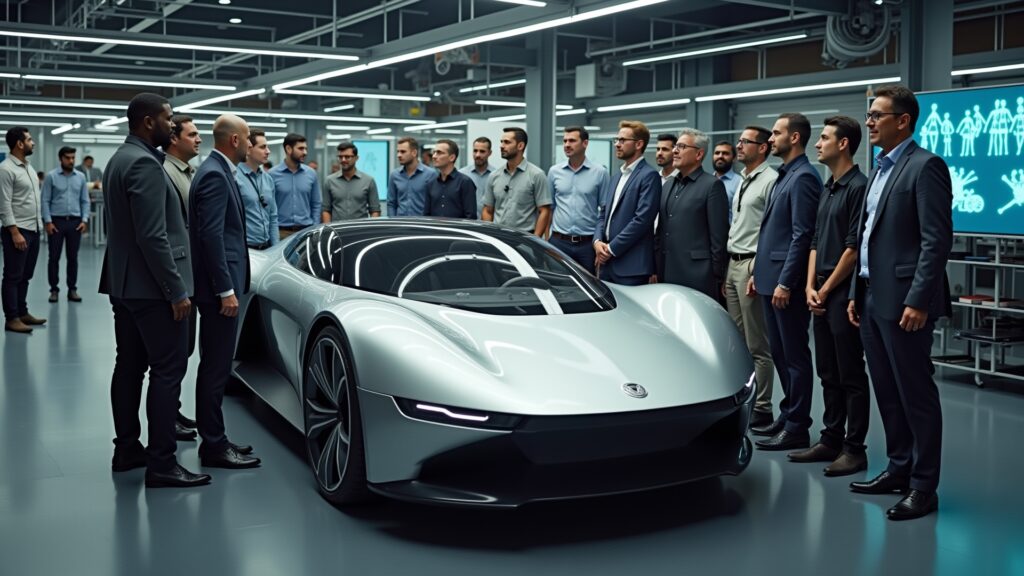










You stand at a crossroads in India’s automotive landscape. The government’s recent emphasis on accelerating the shift to electric vehicles (EVs) amid the current energy crunch is no mere policy blip—it is a strategic recalibration designed to safeguard and propel your business against an unstable global energy backdrop and evolving market dynamics. As fuel price volatility and supply chain disruptions worsen due to geopolitical tensions such as the Iran conflict, this push towards electrification offers a pathway to resilience and competitive advantage.
Why This Matters to You
If you are leading or investing in automotive manufacturing, component supplies, or mobility services in India, this government initiative directly impacts your strategic roadmap. Relying on traditional fossil fuels increasingly exposes your operations to energy price shocks and import dependencies. Pivoting to EVs means fortifying your business’s energy security, tapping into emerging global EV markets, and positioning yourself firmly within an evolving domestic ecosystem focused on localization and innovation.
Understanding India’s Strategic Shift Amid Energy Challenges
The ongoing Iran conflict has sharply exacerbated fuel supply constraints and escalated energy costs worldwide. India’s automotive fuel ecosystem, long dependent on imported fossil fuels, faces heightened vulnerabilities. The government’s proactive response centers on pushing the auto sector to embrace EVs, aiming to reduce fossil fuel imports, lower energy sensitivities, and bolster domestic manufacturing capabilities. This is more than environmental stewardship; it is a calculated industrial strategy to mitigate risk and future-proof the sector.
Key Business and Market Impacts
OEMs and suppliers are compelled to accelerate research and development focused on electric powertrains, battery technologies, and advanced vehicle software. This investment realignment unlocks new revenue streams and integrates Indian manufacturers deeper into global EV supply chains. At the same time, it places a premium on localization, signaling opportunities for component makers to cultivate domestic ecosystems around battery cells, power electronics, and charging infrastructure.
The manufacturing sector must also prepare for resilience. Localized supply chains mitigate risks from global disruptions and volatile commodity prices. This strategy dovetails with government incentives promoting domestic EV assembly, component production, and essential infrastructure development — all helping to cement India’s credentials as a global EV manufacturing hub.
Strategic Insights for Automotive Leadership
From a leadership perspective, you are tasked with balancing short-term operational challenges with long-term strategic goals. Embracing sustainability and technology innovation as pillars of your business model is no longer optional but essential. Collaborating with policymakers to streamline regulations, accelerate charging infrastructure deployment, and develop skilled talent pools will differentiate industry leaders from laggards.
“In the automobile industry, speed is valuable — but strategic timing creates lasting advantage.”
“The real edge is not only in building vehicles, but in controlling the technology, supply chain, and customer experience behind them.”
Practical Takeaways for the Auto Ecosystem
- Accelerate EV R&D: Reallocate resources towards electric platform development and battery technology.
- Localize Components: Identify and invest in domestic suppliers to reduce dependency on global supply chain shocks.
- Engage Policymakers: Actively participate in shaping conducive EV regulations and infrastructure policies.
- Monitor Market Dynamics: Stay ahead of shifts in consumer demand, fuel price volatility, and global trade conditions.
- Diversify Investment Focus: Support startups and technologies that enhance operational efficiencies and energy sustainability.
Risks, Challenges, and Considerations
The transition to EVs, while promising, involves challenges including high initial capital investments, technology adaptation, and market education. Supply chain localization requires time and ecosystem collaboration, especially around critical raw materials like lithium and cobalt. Moreover, evolving policy frameworks may bring regulatory uncertainties. Strategic agility and continuous scenario planning are crucial to navigate these complexities.
What to Watch Next
Keep an eye on government announcements regarding incentives for battery manufacturing and charging infrastructure expansion. Watch how OEMs diversify their portfolios and invest in EV platforms. Track the entry and growth of component manufacturers focusing on EV powertrains and electronics. Also, observe consumer adoption trends and financing models evolving for EV ownership.
“When manufacturing strength, policy clarity, and market demand align, automotive growth becomes far more scalable.”
Conclusion
Your positioning in India’s auto industry depends on how decisively you respond to the government’s push for EVs amid the current energy crunch. This strategic move is aimed at enhancing industry resilience, securing energy independence, and elevating India’s stature in the global electric mobility arena. By embracing this transition with foresight and agility, you can safeguard your business against supply and energy vulnerabilities while riding the wave of electrification that defines the future of mobility.