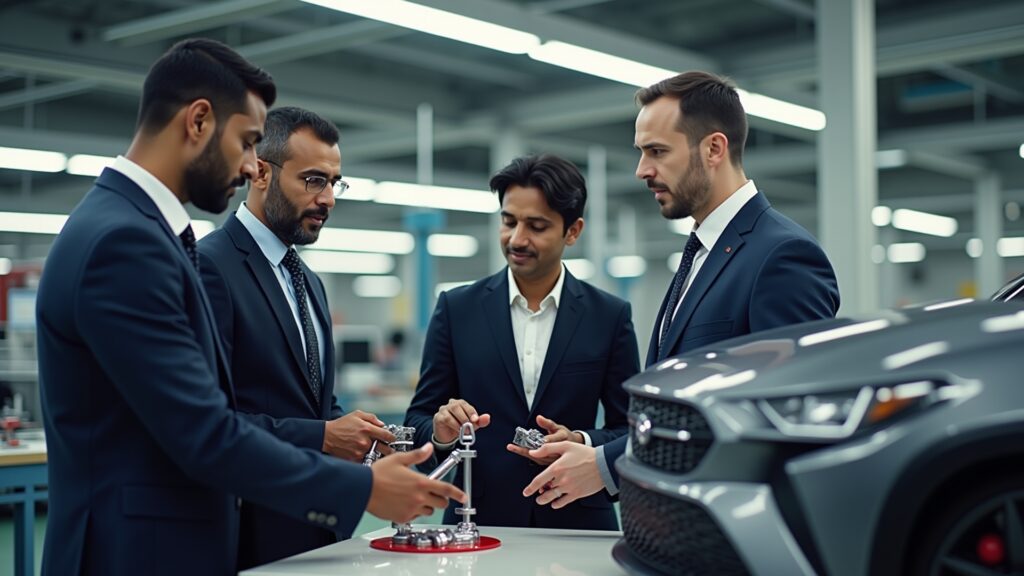
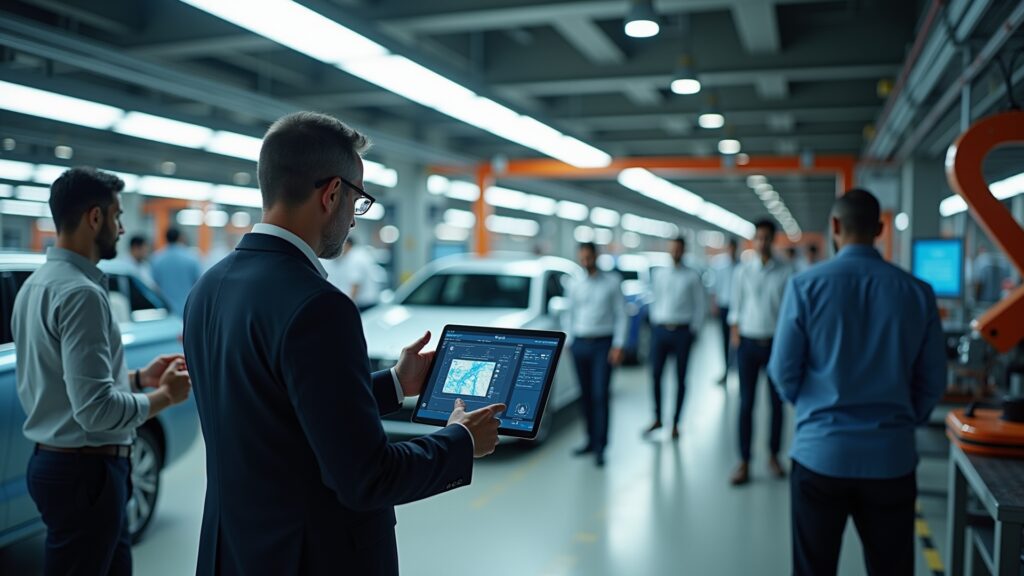









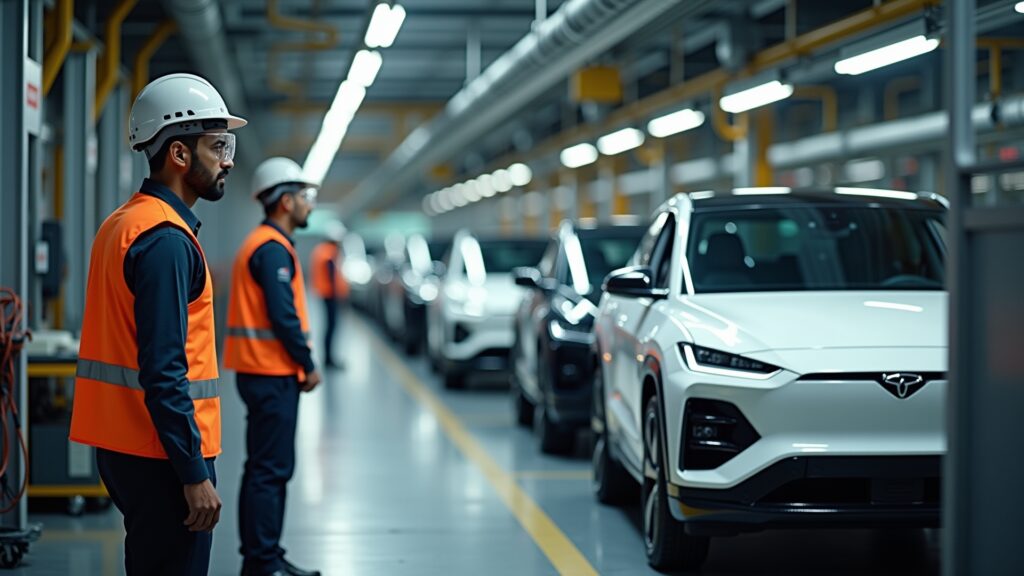
The ongoing conflict in Iran is not just a geopolitical flashpoint; it represents a critical inflection moment for the global automotive industry, especially for decision-makers like you navigating manufacturing, supply chains, and market strategy. This unrest calls for a strategic recalibration towards self-reliance—ensuring your business can withstand supply shocks and maintain growth in an increasingly uncertain world.
Why This Matters to You
As a leader or stakeholder in the auto industry, you must recognize how geopolitical shocks ripple through your operations—from raw material sourcing to vehicle assembly, from component suppliers to market delivery. The Iran conflict highlights vulnerabilities in traditional supply networks and stresses the urgency of reassessing dependencies on volatile regions. This is an immediate call to action to reinforce your supply chain resilience, localize critical manufacturing, and align with broader industry trends toward self-sufficiency.
Unpacking the Current Situation
The escalated Iran conflict threatens to disrupt key trade corridors and resource flows vital to the automotive ecosystem. Raw materials like rare earth elements, semiconductor resources, and energy supplies are all caught in this geopolitical tension. For the Indian automotive sector aiming to become a global manufacturing and export hub, the situation underscores the need to accelerate localisation and diversify sourcing to mitigate risks stemming from geopolitical instability.
Impact on OEMs and Component Manufacturers
Original equipment manufacturers and component producers face increased pressure to secure stable supply lines amid rising prices and logistical uncertainties. This instability necessitates a shift in strategy toward building closer-to-home supply networks that can ensure production continuity. Particularly for electric vehicle (EV) and hybrid technology players like you, the conflict reinforces the importance of domestic capabilities for essential components such as batteries and semiconductors.
“The real edge is not only in building vehicles, but in controlling the technology, supply chain, and customer experience behind them.” This rings true now more than ever as you contemplate next steps in your operational strategy.
Supply Chain Resilience and Localisation as Competitive Advantages
You should view this geopolitical risk as an impetus to enhance supply chain agility and expand your manufacturing footprint in geopolitically stable regions. Integrating AI-driven supply chain management and enhancing end-to-end traceability are no longer optional—they are essential practices to keep pace with global competition.
Moreover, localisation aligns your business with sustainability goals by reducing transport emissions and fostering integrated local clusters where cleaner technologies can thrive. This holistic approach not only buffers your operations from geopolitical shocks but also embeds long-term resilience into your corporate strategy.
Strategic Insights for the Indian Automotive Industry
Decision-makers like you need to prioritize investments in supply chain digitization, strengthen local supplier capacities, and collaborate proactively with government bodies to navigate emergent regulatory frameworks. Localisation isn’t just about risk mitigation—it is a strategic lever to unlock greater export potential and respond swiftly to domestic market demands.
“When manufacturing strength, policy clarity, and market demand align, automotive growth becomes far more scalable.” This alignment is precisely what the Iran conflict compels you to seek for enhancing India’s standing on the global automotive stage.
Practical Takeaways for You
- Understand: Geopolitical conflicts like Iran’s disrupt critical supply chains—anticipate vulnerability points in your operations.
- Monitor: Raw material availability, alternative sourcing regions, and evolving trade policies closely.
- Invest: In digitization tools for supply chain traceability and AI-enhanced risk management.
- Build: Capacity for local suppliers in key segments such as batteries, semiconductors, and rare earth processing.
- Collaborate: Foster strong partnerships with policy makers to leverage incentives and shape regulations favorably.
Risks and Challenges Ahead
While accelerating localisation offers promise, be mindful that it requires significant capital investment, technology acquisition, and skill development. Geopolitical tension may shift trade alliances unpredictably, demanding continuous vigilance and agility. Additionally, balancing cost optimization with strategic self-reliance is a complex challenge in a competitive global market.
What You Should Watch Next
Keep a close eye on how supply chain digitization initiatives evolve industry-wide, the progress of government policies favoring Make in India and export diversification, and the advances in domestic battery and semiconductor manufacturing ecosystems. These will be key indicators of how effectively the automotive sector converts this geopolitical challenge into sustainable growth.
Conclusion: A Strategic Imperative for Self-Reliance
The Iran conflict undeniably amplifies the urgency of automotive self-reliance. For you, as a leader in this dynamic industry, the time is ripe to transition from reactive risk management to proactive, strategic transformation. By embracing localisation, supply chain diversification, and technological empowerment, you not only safeguard your business against current geopolitical shocks but also position yourself at the forefront of the global automotive future.
“In the automobile industry, speed is valuable — but strategic timing creates lasting advantage.” Seize this moment to solidify your competitive edge and contribute to building a resilient, future-ready automotive ecosystem.