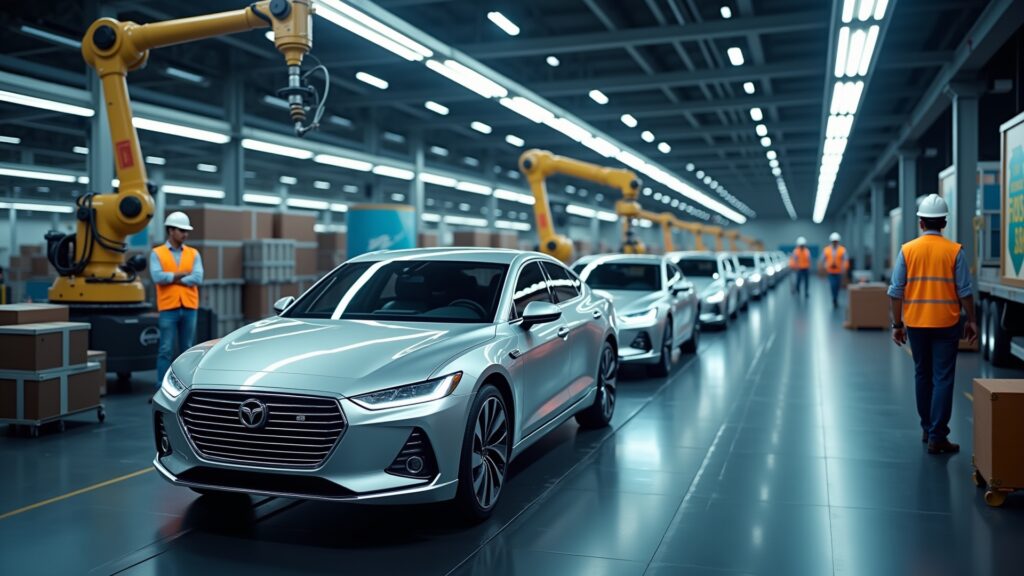










As a CEO, investor, or leader within India’s automotive sector, understanding the ripple effects of global geopolitical events on your supply chains is crucial. The escalating conflict involving Iran represents more than just a distant political crisis; it poses an immediate threat to the stability and resilience of India’s automotive production ecosystem. Amid evolving global tensions, this development directly influences your cost structures, manufacturing timelines, and strategic planning, especially as India positions itself aggressively in electric and hybrid vehicle markets.
Why This Matters to You
Your business depends on seamless operations, predictable supply chains, and cost-effective production. The Iran conflict threatens these core pillars by introducing vulnerabilities in sourcing critical raw materials and auto components. With petrochemicals, metals, and specialized parts at risk, the impact is likely to escalate beyond isolated delays, affecting your overall competitiveness, export promises, and investor confidence.
Understanding the Current Situation
India’s automotive industry is deeply integrated with global supply networks, which include key suppliers in the Middle East. Iran, in particular, is a significant source of petrochemicals and raw materials essential for auto component manufacturing and vehicle production. As geopolitical tensions worsen, disruptions at ports, sanctions, or supply interruptions could impede the flow of these inputs into India.
Given that both traditional internal combustion engine vehicles and the rapidly expanding EV and hybrid segments rely on these materials, you are looking at a potential shortfall that could bottleneck production and inflate costs across the automotive spectrum.
Key Business and Market Implications
- Supply Chain Disruptions: Reduced availability of petrochemicals and raw materials may delay manufacturing cycles, strain just-in-time inventory models, and increase dependency risks.
- Cost Escalations: Price volatility due to scarcity or logistic challenges could squeeze profit margins and challenge competitive pricing strategies.
- Localization Challenges: The situation underscores the limitations of current localization efforts and the urgent need to diversify supplier ecosystems.
- Export and Global Competitiveness: Production delays and cost hikes threaten India’s growing stature as an automotive export hub, risking order fulfillment and international partnerships.
- Investment Decisions: Investors and OEMs are likely to factor in geopolitical risks when assessing market entry or expansion plans in India, potentially slowing fresh capital inflows.
Strategic Insights: Navigating the Complex Landscape
As a decision-maker, you must view this disruption not only as a challenge but as a catalyst to accelerate strategic resilience. Strengthening the supply chain through multi-sourcing, investing in next-gen manufacturing technologies, and deepening localization with a focus on sustainable supply can buffer future shocks.
Embracing digital supply chain monitoring and AI-driven production processes can give you real-time visibility and responsiveness, helping you adapt swiftly to evolving conditions beyond your control.
“In the automobile industry, speed is valuable — but strategic timing creates lasting advantage.”
You should also consider expanding partnerships within India’s auto component ecosystem, leveraging government incentives designed to promote Make in India initiatives, and increasing R&D investments focused on alternative materials and components for EVs and hybrids.
Practical Takeaways: What You Should Do Now
- Map your supply chains to identify dependencies on Iran-linked inputs and assess vulnerability levels.
- Engage with your suppliers to explore alternative sources and develop contingency plans quickly.
- Accelerate localization efforts by investing in domestic R&D and manufacturing capabilities.
- Leverage government policy frameworks and incentives that support supply chain diversification and resilience.
- Enhance your supply chain visibility using digital tools, enabling proactive risk management.
- Prepare your export strategies for potential disruptions by building flexible delivery schedules and communicating transparently with stakeholders.
Expert Perspective
“The real edge is not only in building vehicles, but in controlling the technology, supply chain, and customer experience behind them.”
“When manufacturing strength, policy clarity, and market demand align, automotive growth becomes far more scalable.”
Risks and Challenges to Monitor
You should remain vigilant about the possibility of extended supply interruptions that could cascade into prolonged production slowdowns. Additionally, price inflation and logistic bottlenecks may elevate operational costs, impacting your margins and financial forecasts.
Geopolitical volatility might also deter new foreign investments or cause existing players to rethink their India market strategies. Regulatory responses, including trade restrictions or sanctions, could further complicate sourcing and exporting operations.
What to Watch Next
Stay informed about developments in Middle Eastern geopolitics and Indian government responses, especially policy adjustments aimed at supply chain resilience or export facilitation. Observe moves by competitor OEMs and auto component suppliers to diversify sourcing and innovate manufacturing practices, as these will signal emerging best practices and shifting market dynamics.
Monitor the evolution of the EV and hybrid market in India closely, since this segment’s growth hinges heavily on supply chain stability and the availability of raw materials.”
Conclusion
The Iran conflict impact on India’s auto production is a crucial strategic concern you cannot afford to overlook. It exposes the fragility of intertwined global supply chains and the urgent need for robust, diversified sourcing strategies. By proactively addressing these challenges through localization, technological adoption, and strategic partnerships, you can not only mitigate risks but also reinforce your competitive edge in a geopolitical landscape marked by uncertainty.
Your ability to adapt will determine how India’s automotive sector sustains its growth momentum, particularly in the transition towards electric and hybrid vehicles that define the future of mobility.