











As a leader in the automotive industry, you are acutely aware that production efficiency and supply chain resilience dictate your competitive edge. However, a less obvious factor is now presenting a significant challenge—constraints in the availability of liquefied petroleum gas (LPG). Although LPG is not a direct automotive fuel, its critical role in the manufacturing processes of automotive components means these constraints are more than just an energy issue; they represent a potential bottleneck threatening your production volumes, cost efficiency, and strategic growth ambitions.
Why This Matters to You
Your decisions and strategies as an OEM leader, component manufacturer, or mobility stakeholder hinge on seamless production and timely delivery. LPG constraints ripple through the value chain—impacting everything from metal treatment to plastics manufacturing within your supply ecosystem. As India champions localisation and aims to scale up as a global export hub, interruptions in LPG supply could compromise your ability to meet demand, sustain margins, and maintain India’s position on the international automotive stage.
What Is Happening Behind the Scenes
LPG is integral as both a heat source and feedstock in various automotive component production stages. Situations such as supply shortages translate into forced operational downtimes, delayed production cycles, and increased input costs. These challenges compound an already complex landscape, where you and your peers are managing the shift to EVs and hybrids, navigating new regulatory frameworks, and responding to evolving industry economics.
Strategic Impact on the Automotive Business and Market
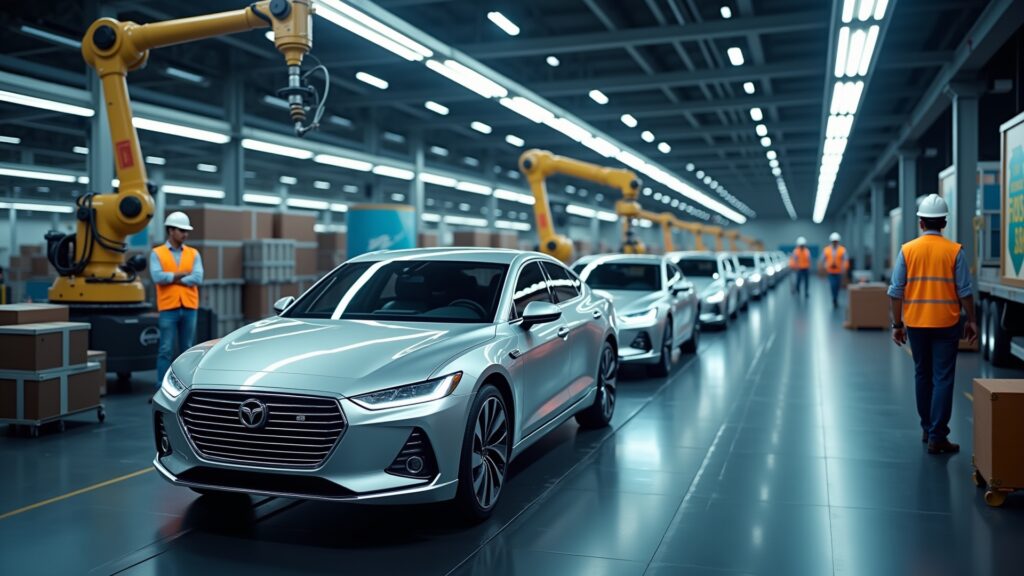
The constraints on LPG supply are not isolated incidents but signals that demand your strategic attention. Production stoppages delay entire vehicle assembly lines, affecting OEMs and suppliers alike. This disruption extends risk to export commitments, especially critical as Indian manufacturers aspire to capture greater shares of the global automotive trade amid fierce competition.
Moreover, the competitive global supply chain spotlight on localisation means any energy supply risk could potentially deter investments or jeopardize India’s credibility as a reliable manufacturing base.
Deeper Insight: A Call for Energy Diversification and Resilient Supply Chains
It’s time to reassess and reorient your energy sourcing strategy. Diversifying away from reliance on LPG through the integration of alternative and renewable energy sources in your manufacturing footprint could mitigate risk. Leveraging digital technologies for predictive energy demand and scheduling can further streamline operations. This dual approach not only reduces vulnerability to supply fluctuations but also aligns with sustainability imperatives reshaping the industry.
“In the automobile industry, speed is valuable — but strategic timing creates lasting advantage.”
Policy alignment is another critical dimension—industry leadership must advocate for regulatory frameworks that support stable energy availability and incentivise localisation of energy solutions. This synergy between business and government will set the foundation for sustained sector growth.
Practical Takeaways for Automotive Leaders and Stakeholders
- Understand the multifaceted role of LPG in your manufacturing value chain beyond vehicle fuel use.
- Monitor supply chain vulnerabilities related to energy inputs, particularly LPG, and their impact on production timelines and costs.
- Accelerate investments in renewable and alternative energy solutions to reduce dependency on single sources.
- Leverage advanced analytics and digital tools to anticipate energy demand and optimize manufacturing schedules.
- Engage with policymakers to shape supportive energy allocation strategies aligned with automotive sector needs.
“The real edge is not only in building vehicles, but in controlling the technology, supply chain, and customer experience behind them.”
Risks and Challenges You Must Navigate
While energy source diversification is strategic, it requires upfront capital, time, and operational adjustments — challenges for any manufacturing leader balancing short-term pressures with long-term sustainability. Additionally, inconsistent policy signals or delays in energy infrastructure development can compound risks. Vigilance in risk management and adaptive capacity building are essential to navigating this complex terrain.
What You Should Watch Next
Keep a close eye on government policies regarding LPG allocation and energy sector reforms that support renewable integration. Track technological innovations in manufacturing energy efficiency and alternative fuel usage within the auto components space. Monitor industry collaborations focusing on supply chain resilience and sustainability. Finally, watch market responses, particularly from export partners, as energy security directly influences delivery reliability and brand trust.
“When manufacturing strength, policy clarity, and market demand align, automotive growth becomes far more scalable.”
Conclusion: Positioning for Sustained Growth Amid LPG Constraints
Understanding LPG constraints’ impact on India’s auto manufacturing is critical for your strategic planning and operational agility. As energy supply fluctuations pose tangible risks to production continuity and export potential, taking decisive action to strengthen energy security and supply chain resilience becomes imperative. By embracing energy diversification, technological innovation, and collaborative policy engagement, you can safeguard your business’s future while reinforcing India’s emergence as a global automotive powerhouse.
Remember, as you lead through this challenge, your proactive strategies will not just mitigate risks but can transform these energy constraints into catalysts for innovation and sustainable competitive advantage.