







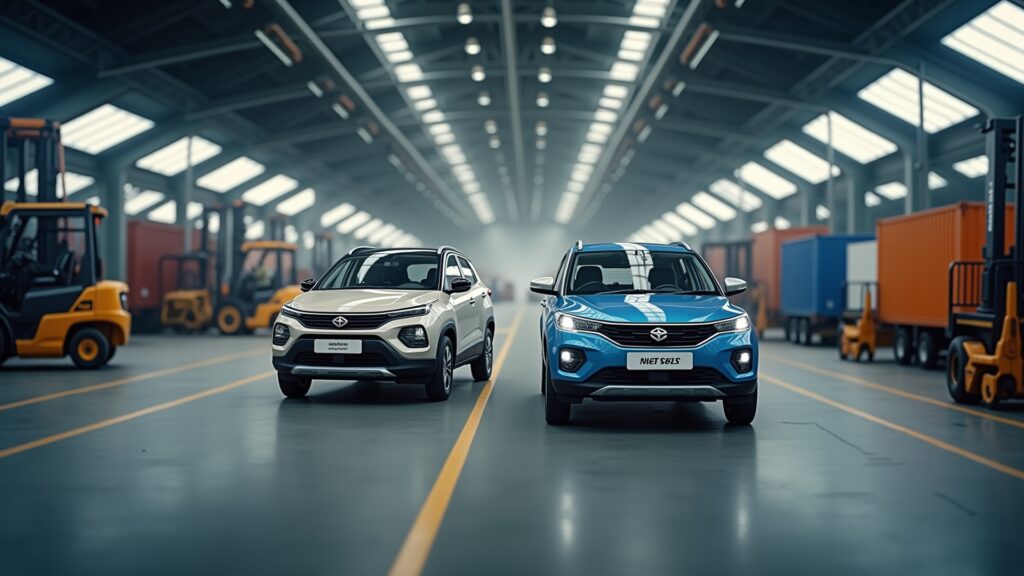
As a decision-maker in the Indian automotive ecosystem, you are witnessing a critical reshaping of market leadership by FY2026, highlighted by Maruti Suzuki’s Dzire reclaiming its position as the best-selling car and Tata Motors’ Nexon retaking the top spot in the SUV segment. This is not merely about sales figures but a reflection of strategic transformations that will influence your business strategies, investment decisions, and competitive positioning in one of the world’s fastest-growing auto markets.
Why This Development Matters to You
Understanding the ascent of the Dzire and Nexon offers you more than market insight—it reveals the strategic imperatives that influence profitability, supply resilience, and future-readiness in India’s automotive landscape. These vehicles are the outcome of intense localisation, innovative manufacturing, and evolving electrification efforts—core areas that will dictate how you steer your operations, supply partnerships, or investment focus in a highly competitive environment.
What Is Happening in the Indian Auto Market?
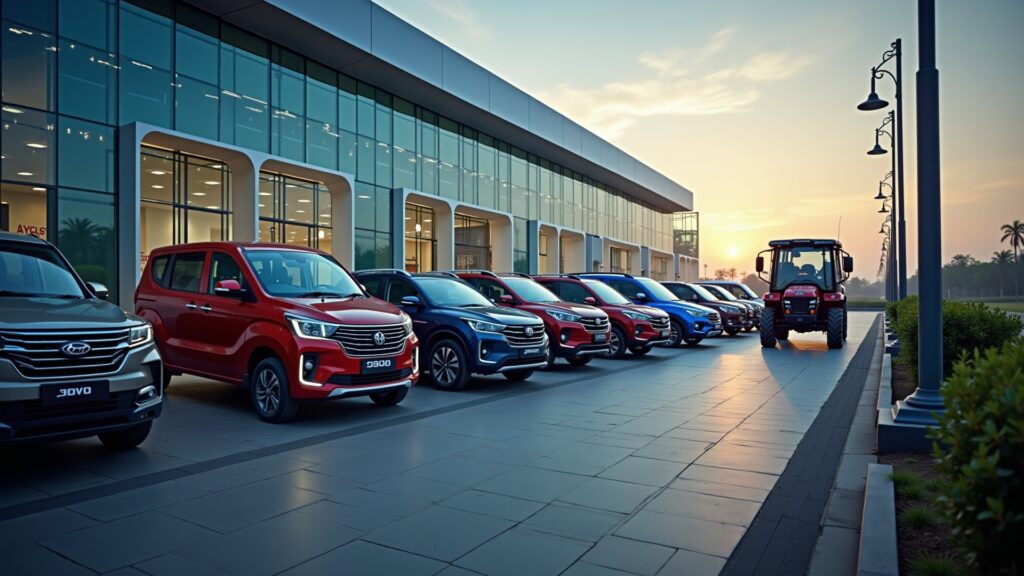
Maruti Suzuki’s Dzire, entrenched deeply through strong domestic manufacturing and localised supply chains, is poised to lead the compact sedan segment once again. Meanwhile, Tata Motors’ Nexon has aggressively positioned itself to dominate India’s booming SUV category. Crucially, Tata’s push spans beyond conventional vehicles to include an expanding electric variant lineup, underlining a nimble and forward-looking strategy that you must note as electrification accelerates nationally.
Strategic Business and Market Implications
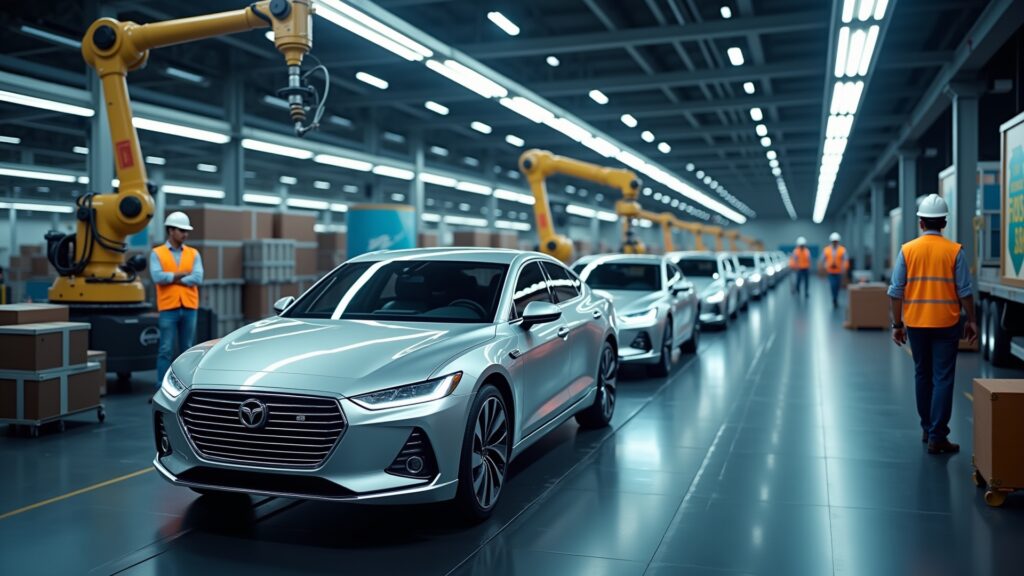
This competitive realignment carries profound implications for OEMs, suppliers, and investors like you. Firstly, it amplifies the importance of localisation—not only to achieve cost efficiencies but also to build resilience against global supply shocks that could disrupt production and delivery timelines.
Secondly, Tata’s focus on EV enhancements aligns directly with India’s regulatory push toward sustainable mobility—offering fresh avenues for component suppliers specializing in batteries and electric drivetrains, and for investors seeking to capitalise on this transition.
Deeper Insight: Adaptability as a Market Leadership Lever
Market leadership in India’s evolving automotive sector increasingly rewards companies that harmonize traditional manufacturing excellence with technology adoption and supply chain agility. Both Maruti Suzuki and Tata Motors demonstrate that robust localisation combined with targeted innovation—in electric and connected vehicle technologies—is a winning formula.
As highlighted in industry thinking, “The real edge is not only in building vehicles, but in controlling the technology, supply chain, and customer experience behind them.” Your strategic approach should embrace this holistic integration to maintain or gain market leadership.
Practical Takeaways for Auto Industry Leaders
- Prioritize strengthening localisation capabilities to mitigate supply chain vulnerabilities and reduce costs.
- Integrate electric and hybrid technology roadmaps with product strategies to meet regulatory and market demands.
- Invest in R&D for software-defined vehicle features and connected services to enhance customer differentiation.
- Engage closely with suppliers specializing in EV components and battery tech to build a resilient ecosystem.
- Monitor competitor shifts in pricing, localisation, and product features to anticipate market movements.
The Expert Lens
“In the automobile industry, speed is valuable — but strategic timing creates lasting advantage.”
“When manufacturing strength, policy clarity, and market demand align, automotive growth becomes far more scalable.”
Challenges and Risks You Need to Consider
The path to leadership is not without risks. Supply chain disruptions remain an ongoing threat, especially with global uncertainties impacting component sourcing. Rapid shifts in EV policy or technology could require agile pivots that strain existing capabilities. Additionally, maintaining consumer trust amid rising competition and evolving preferences demands unrelenting focus on quality and innovation.
What You Should Watch Next
Keep a close eye on how Maruti Suzuki and Tata Motors execute further localisation and innovation in their upcoming products and how they leverage partnerships in battery and charging infrastructure. EV policy updates and export market openings will also be pivotal. The degree to which other OEMs respond with their own strategic pivots will signal broader shifts in India’s auto business ecosystem.
Conclusion: Strategic Market Leadership Anchored in Localisation and Electrification
The rise of Maruti Dzire and Tata Nexon to segment leadership by FY2026 encapsulates key trends shaping the future of India’s automotive industry. For you—as an OEM leader, investor, or component supplier—it underscores the imperative to blend efficient manufacturing, resilient supply chain practices, and innovation in electrification and digital features. These pillars will define not only sustainability but also India’s competitiveness as an automotive hub on the global stage. Navigating this landscape with strategic clarity will be your edge.