











As an executive or decision-maker within India’s automotive ecosystem, you are directly impacted by the evolving geopolitical landscape, particularly the ongoing conflict in the Middle East. This turmoil is reshaping your export strategy and cost structures at a time when India is positioning itself as a pivotal global automotive export hub. Recognizing and responding to these developments is vital for safeguarding your supply chains, controlling costs, and securing long-term competitive advantage in international markets.
Why This Developments Matter to You
Your business thrives on the seamless integration of global supply chains and export markets. The Middle East serves as a crucial conduit for raw materials, logistics, and trade routes that underpin your manufacturing and export operations. Any disruption here reverberates immediately through your production timelines, cost bases, and delivery commitments, especially if you are invested in EV or hybrid vehicle segments where margins are under pressure and component sourcing is complex.
Understanding these risks enables you to act strategically—diversifying suppliers, reengineering supply chain agility, and recalibrating market focus—to preserve profitability and growth trajectories.
What Is Happening in India’s Auto Export Domain?
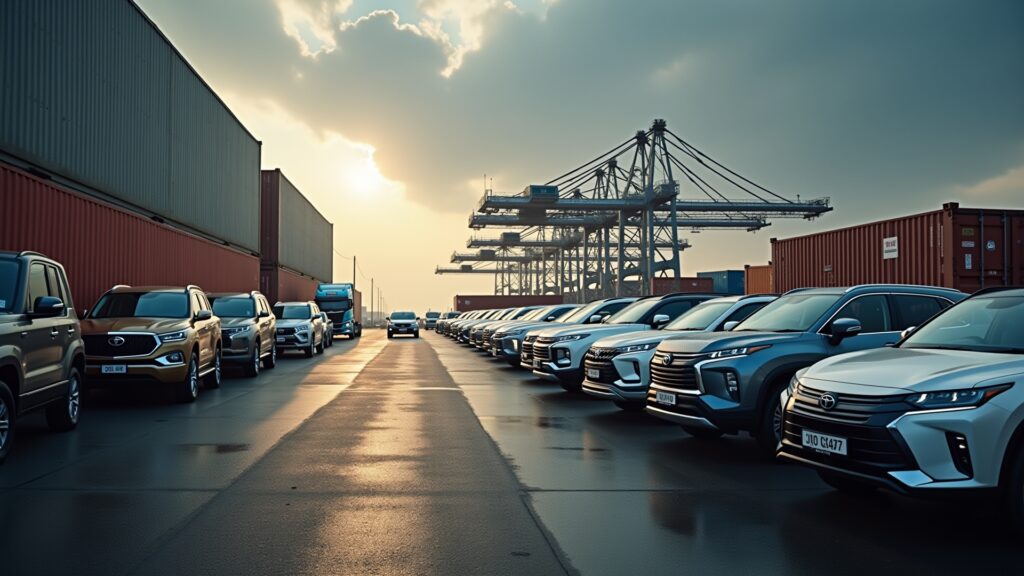
The conflict in the Middle East has triggered interruptions in shipping lanes, increased freight charges, and constrained access to key automotive raw materials and components linked to the region. For India’s automotive export sector—comprising OEMs, component manufacturers, and EV startups—these disruptions threaten timely fulfillment of export orders and escalate operational costs.
This scenario compounds existing challenges of localisation and supply diversification, forcing industry stakeholders to rethink export logistics and sourcing strategies amid heightened uncertainty.
Strategic Business and Supply Chain Implications
Your supply chain and export competitiveness face intensified risks. Component manufacturers reliant on Middle East-linked inputs could encounter scarcity or cost spikes, degrading production efficiency and export volume reliability.
To counter this, you must:
- Enhance supply chain agility by adopting advanced risk management tools and diversifying sourcing geographies.
- Explore alternative maritime and land transport routes to circumvent disrupted corridors.
- Invest in strengthening regional partnerships to cushion against potential prolonged instability.
- Advocate for stronger government-industry collaboration to secure diplomatic support and safeguard trade corridors critical to your export flows.
As “In the automobile industry, speed is valuable — but strategic timing creates lasting advantage.”, your proactive measures can solidify a defensive moat and unlock new competitive advantages.
Deeper Market Insights and Strategic Analysis
The Middle East conflict acts as a catalyst accelerating necessary structural shifts within India’s automotive sector. Your move towards deeper localisation and shared infrastructure development for supply resilience will reduce vulnerability to such geopolitical shocks.
Leverage emerging technologies such as AI-driven forecasting and digital twins to anticipate market fluctuations, optimize inventory, and dynamically manage risks associated with global trade disruptions. Moreover, reassess your export market portfolio by strengthening ties with alternative markets, especially emerging economies, to mitigate overdependence on traditional hubs impacted by geopolitical volatility.
In the context of India’s strategic focus on EV and hybrid vehicle growth, these efforts align well with national climate commitments and industrial policy goals, transforming geopolitical risk into opportunity for innovative leadership.
Consider this perspective: “The real edge is not only in building vehicles, but in controlling the technology, supply chain, and customer experience behind them.”
Practical Takeaways for Automotive Leaders
- Continuously monitor the evolving geopolitical situation and its direct impact on raw material availability and shipping costs.
- Accelerate investments in supply chain transparency and diversification to reduce single points of failure.
- Engage with policymakers to promote trade corridor stability and build supportive diplomatic frameworks.
- Expand market diversification strategies to include emerging and regional partners beyond traditional export destinations.
- Integrate AI and predictive analytics into supply chain and export planning for dynamic response capabilities.
- Optimize cost structures by revisiting supplier contracts, logistics partnerships, and inventory management.
Risks and Challenges to Navigate
You should be cautious of potential prolonged disruptions that could exacerbate raw material shortages and inflate component costs. Delays in securing diplomatic or government support could also hinder timely remediation of export bottlenecks.
Moreover, sharp cost escalations may pressure margins, compelling tough pricing decisions that could affect market positioning in globally competitive arenas.
The challenge is to balance resilience-building investments with financial prudence while steering through uncertainty without losing strategic intent.
What Should You Watch Next?
Stay alert to developments on these fronts:
- Geopolitical resolutions or prolonged conflicts affecting maritime and trade routes through the Middle East.
- Policy announcements regarding export incentives, localisation mandates, and government-industry collaboration frameworks.
- Innovations in supply chain technology adoption within India’s automotive ecosystem.
- Emerging market demand trends for EVs and hybrids, especially from alternative export destinations.
- Collaborative initiatives between industry players and government bodies to secure trade and logistics corridors.
Conclusion
The ongoing Middle East conflict reshapes India’s automotive export landscape, presenting you with both acute challenges and transformative opportunities. By adopting a multi-layered strategy focused on supply chain diversification, cost optimization, diplomatic engagement, and technological integration, you can not only mitigate risks but also position your enterprise to thrive in a more complex global market.
Remember, “When manufacturing strength, policy clarity, and market demand align, automotive growth becomes far more scalable.” Your ability to anticipate, adapt, and execute with strategic foresight will define India’s emergence as a resilient, innovation-driven global automotive export leader.