







You are at a unique inflection point as the Indian automotive market transitions toward a multi-energy future. This evolution is far more than a technological shift — it’s a comprehensive realignment of strategy that touches manufacturing, localisation, policy, and innovation. Understanding this multi-energy paradigm is critical not only to navigating market complexities but to securing your competitive edge in one of the world’s most dynamic automotive landscapes.
Why This Multi-Energy Shift Matters to You
For you, whether an OEM leader, investor, or component supplier, the emergence of a multi-energy ecosystem in India signals a strategic pivot from single-technology bets to flexible, risk-mitigated portfolios. As global EV trends surge, India’s distinct infrastructure challenges, diverse consumer segments, and maturing supply chains demand an integrated approach where electric vehicles (EVs), hybrids, and efficient internal combustion engines (ICEs) coexist and complement each other.
This blend isn’t fragmentation; it’s a nuanced business strategy tailored to optimise resources, policy incentives, and market realities. Your decisions today around technology platforms, localisation, and investment will influence your ability to capture long-term value amid evolving regulations and competitive pressures.
The Multi-Energy Landscape: What Is Happening in India?
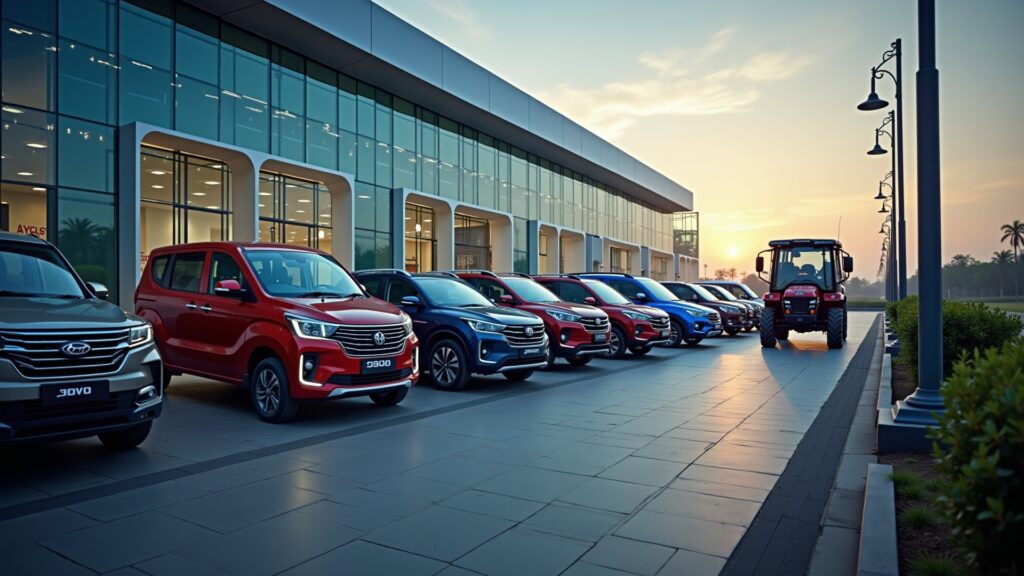
The Indian automotive sector is charting a course where multiple propulsion technologies operate in tandem. EVs are gaining ground with government-backed incentives and expanding charging infrastructure, yet hybrids and advanced ICE vehicles remain vital due to cost-effectiveness and consumer preference in various segments.
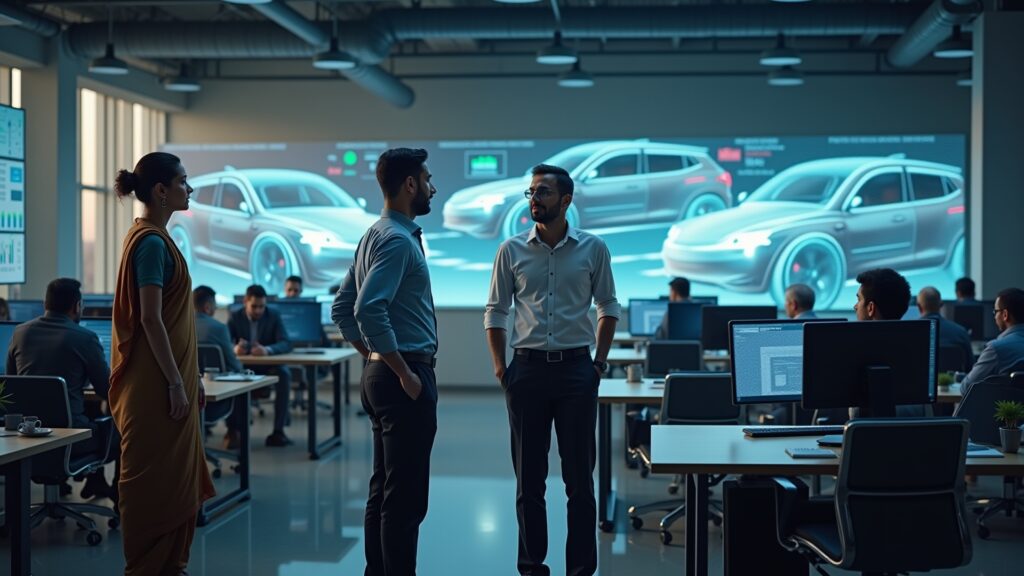
OEMs are innovating with modular vehicle architectures that can support different powertrains, from pure electric to hybrid and combustion. Suppliers are simultaneously pushed to advance capabilities across battery technology, power electronics, and fuel-efficient engines. At the policy level, dual tracks support EV adoption alongside stringent fuel efficiency and emission standards for hybrids and ICE vehicles.
Strategic Business and Market Implications
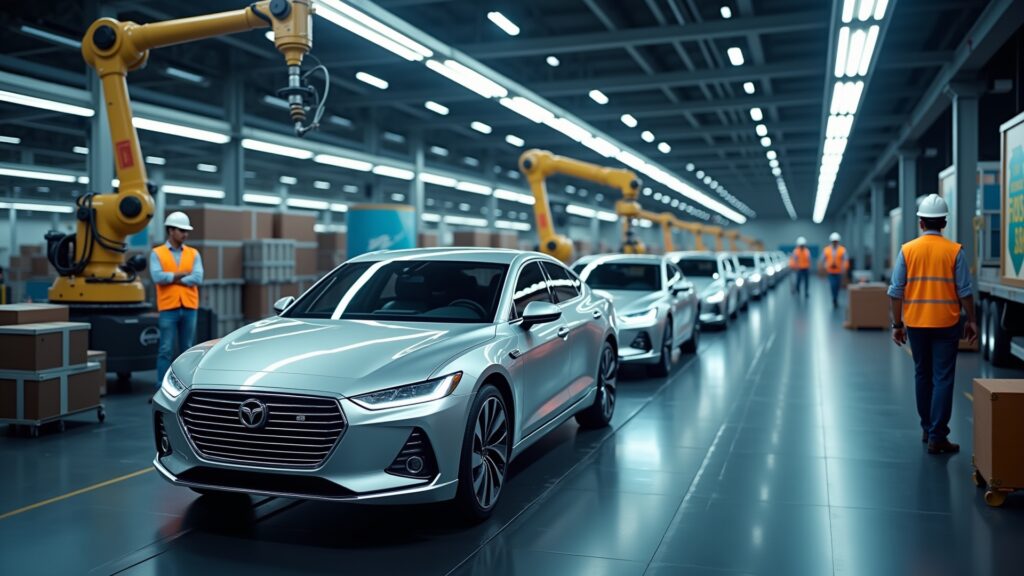
For your business, this multi-energy future mandates agility. You must develop platforms and supply chains that embrace powertrain diversification without fragmenting operational focus. Localisation becomes more than a cost lever — it’s strategic resilience, reducing exposure to global supply chain disruptions and currency volatility.
Hybrid technology acts as a critical bridge segment, helping you balance compliance with emerging emissions regulations while maintaining broader market appeal. Export potential rises as localisation improves, positioning India not just as a consumption hub but a global manufacturing powerbase.
Policy: The Catalytic Enabler
India’s policy framework is deliberately multi-pronged, fostering EV growth through incentives while mandating fuel efficiency gains across all propulsion types. This regulatory flexibility empowers you to innovate freely within a predictable landscape and aligns investment with the country’s sustainability and export goals.
However, you must anticipate challenges like raw material sourcing for batteries, infrastructure scaling, and cost competitiveness. Strategic collaborations, R&D investments, and export incentives will become key levers to overcome these hurdles.
Strategic Insight: Integrating Multi-Energy into Your Business Model
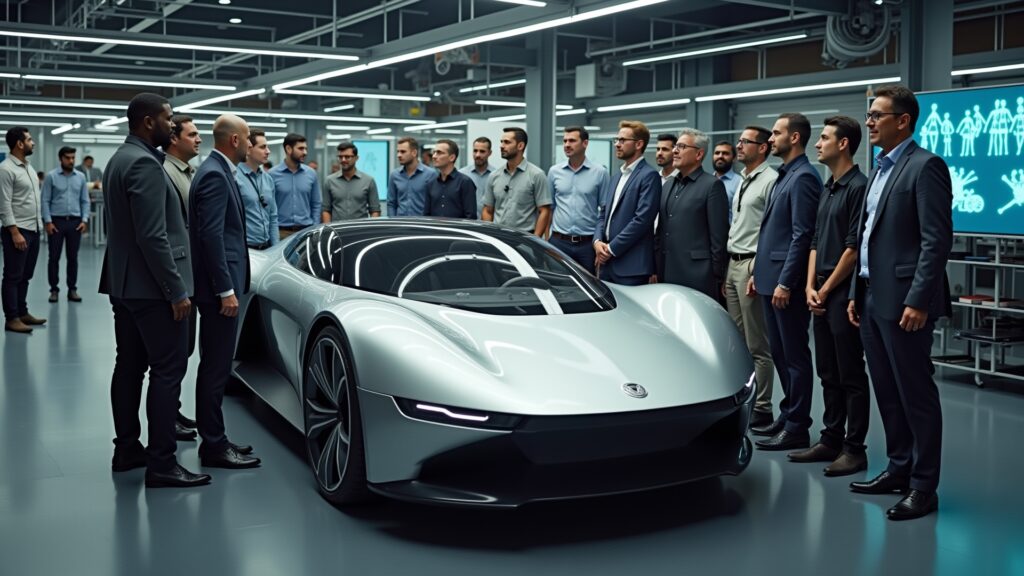
Viewing the multi-energy future as an integrated opportunity rather than a fragmented challenge is essential for your leadership. Cross-domain R&D investment, resilient localisation strategies, and proactive engagement with evolving regulations will create competitive advantage.
India’s ambition to emerge as a global automotive powerhouse hinges on your ability to orchestrate technology convergence, supply chain robustness, and market foresight. The multi-energy approach not only mitigates risk but enhances your innovation leadership and profitability potential amidst uncertainty.
“In the automobile industry, speed is valuable — but strategic timing creates lasting advantage.”
“When manufacturing strength, policy clarity, and market demand align, automotive growth becomes far more scalable.”
Practical Takeaways: What You Should Do Now
- Prioritise Modular Platforms: Invest in vehicle architectures that support multiple energy types to optimise flexibility and scale.
- Enhance Localisation: Deepen procurement and manufacturing partnerships within India to reduce import dependencies and boost margins.
- Focus on Transitional Technologies: Develop hybrid offerings to navigate the regulatory landscape and serve diverse consumer needs.
- Engage with Policy Makers: Influence and anticipate regulatory shifts that impact energy mix and emission standards.
- Collaborate on Battery and Infrastructure: Join consortia or partnerships to address supply chain challenges and infrastructure growth.
- Position for Export Growth: Align your manufacturing footprint with global standards to leverage India’s rising role in automotive exports.
Risks and Challenges on the Horizon
Despite forward momentum, navigating the multi-energy transition entails risks you must manage. Volatility in raw material supply chains, particularly for batteries, could disrupt cost structures. Consumer acceptance varies widely by region and segment, requiring nuanced marketing and product strategies.
Additionally, emerging regulatory frameworks might tighten unexpectedly, demanding agility in compliance and R&D priorities. Overextension into too many energy domains without clear focus could dilute your brand and operational efficiency.
What to Watch Next
Monitor government policies closely — especially incentives, emission norms, and localisation mandates. Keep a pulse on supply chain innovations, particularly battery chemistry advances and power electronics. Watch competitive moves around modular platform investments and hybrid technology launches.
Global geopolitical shifts affecting raw material availability and trade agreements will also influence your strategy. Finally, observe consumer adoption trends across urban and rural markets to fine-tune product positioning and marketing.
Conclusion: Seizing Opportunity in India’s Multi-Energy Automotive Market
The multi-energy future Indian automotive market is not a challenge to navigate cautiously but a strategic opportunity to harness decisively. By embracing diversity in propulsion technologies, aligning investments with evolving policy, and bolstering localisation, you position your business not just to survive but to thrive in a rapidly transforming ecosystem.
As the landscape reshapes, your ability to integrate EVs, hybrids, and efficient ICEs into a cohesive strategy will define your leadership and profitability. This multi-energy mindset will serve as your compass amid technological shifts, supply chain uncertainties, and regulatory evolution — unlocking sustainable growth and competitive advantage in India’s automotive industry.
“The real edge is not only in building vehicles, but in controlling the technology, supply chain, and customer experience behind them.”