








The 10.6% passenger vehicle sales growth recorded in February, as reported by the Society of Indian Automobile Manufacturers (SIAM), is more than a numerical boost. It is a potent marker of evolving trends that you, as an automotive business leader or industry stakeholder, cannot afford to overlook. This development signals fundamental shifts in India’s automotive landscape — shifts poised to influence your operational priorities, investment decisions, and strategic outlook in the medium to long term.
Why This Matters to You
If your role intersects with automobile manufacturing, supply chain management, investment, or policy formulation in India, this sales increase serves as a bellwether for emerging opportunities and challenges. It indicates a recovering consumer demand cycle and underscores India’s growing stature as a manufacturing powerhouse with rising ambitions in electric and hybrid vehicle segments. Understanding these dynamics is critical if you aim to position your enterprise advantageously amid rising domestic demand and intensifying global competition.
What Is Happening: Beyond the Numbers
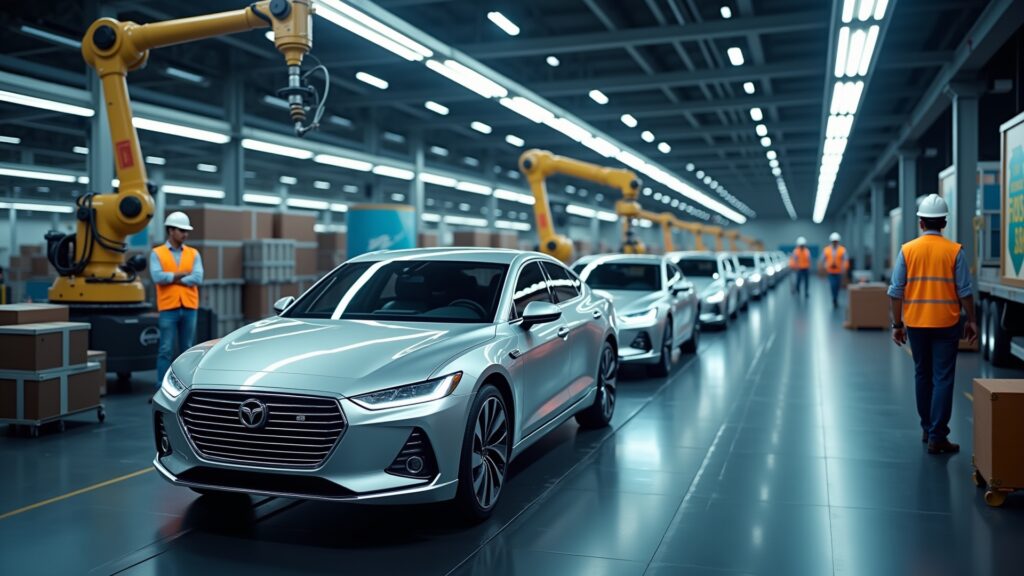
The reported 10.6% year-on-year growth, while reflecting a healthier consumer sentiment post-pandemic, also reveals a deeper, structural momentum shaping the industry. This sales growth directly correlates with increased production volumes, which, in turn, ripple through the ecosystem — impacting supplier networks, dealership frameworks, logistics providers, and technological adoption. More vehicles moving off assembly lines force OEMs and component manufacturers to innovate around localisation and supply chain robustness.
Key Industry Impacts to Consider
- Localisation and Supply Chain Resilience: You must capitalize on the rising volumes to advance your supplier ecosystem within India. Reducing import dependence mitigates risk against global disruptions and leverages India’s policy push for local content.
- Electric and Hybrid Vehicle Transition: This momentum energizes investments in electrification infrastructure. OEMs are well-advised to accelerate their electric vehicle (EV) and hybrid portfolios, embracing advancements in battery technology, charging networks, and connected vehicle software.
- Manufacturing and Export Competitiveness: Volume growth strengthens your scale economies, critical for India’s ambition as a cost-competitive global export hub. It also provides room for capital infusion into AI-driven smart factories and Industry 4.0 automation.
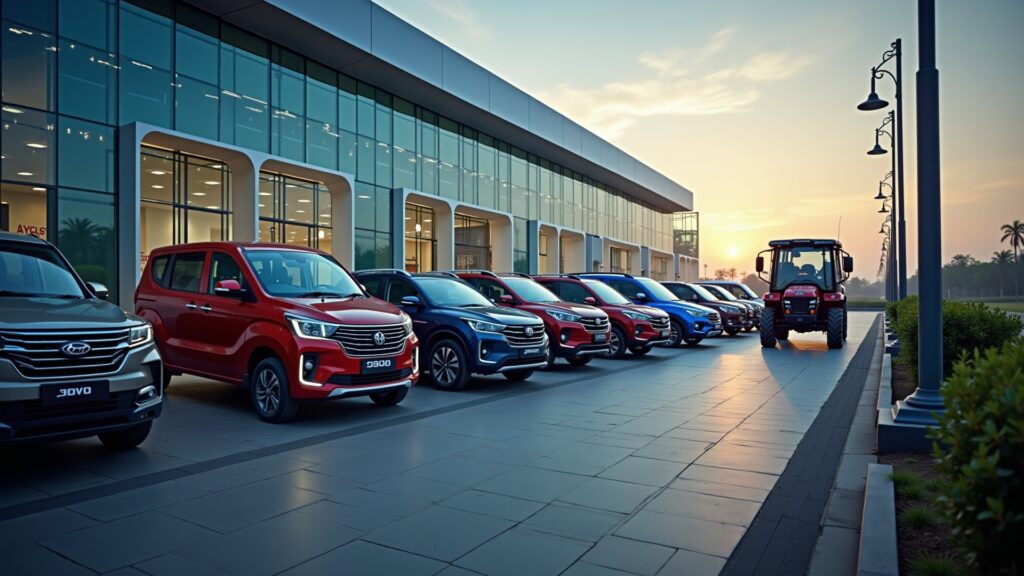
- Dealer and Retail Innovation: As sales climb, your dealership strategies must evolve to integrate digital sales platforms, optimize omni-channel distribution, and improve customer engagement for premiumisation and profitability.
Strategic Analysis: What This Growth Signals for Your Business
February’s passenger vehicle sales figures should not be viewed in isolation. They represent a call to interpret shifting consumer preferences, regulatory climates, and technological strides as intertwined forces shaping the future of mobility in India. For you, this means adapting your market segmentation, strengthening supplier collaborations, and doubling down on tech-driven product innovation to future-proof your business.
“In the automobile industry, speed is valuable — but strategic timing creates lasting advantage.” This growth period offers you a timeline to integrate disruptive technologies such as AI in manufacturing processes and explore forward-looking partnerships that deepen your competitive moat.
Practical Takeaways: What Steps Should You Consider?
- Prioritize initiatives that enhance localisation to shield against supply chain volatility.
- Invest meaningfully in EV and hybrid technology rollouts aligned with governmental incentives and infrastructure development.
- Leverage sales momentum to upgrade manufacturing capabilities through automation and smart technology adoption.
- Redefine dealership models to digital-first, customer-centric, and omni-channel frameworks to match evolving buyer expectations.
- Continuously monitor policy trajectories affecting emissions, localisation norms, and export incentives to stay compliant and competitive.
Expert Perspective
“The real edge is not only in building vehicles, but in controlling the technology, supply chain, and customer experience behind them.”
“When manufacturing strength, policy clarity, and market demand align, automotive growth becomes far more scalable.”
Risks and Challenges Ahead
Despite this optimistic growth, you must remain vigilant of potential pitfalls. Supply chain disruptions could re-emerge due to geopolitical tensions or resource scarcities. Additionally, the pace of EV infrastructure development may lag behind aspirations, causing bottlenecks. Staying adaptive and investing in risk management frameworks will be crucial.
What You Should Watch Next
Keep a close eye on:
- Governmental policy shifts on electrification and localisation that will directly affect your production and investment strategies.
- Consumer adoption trends for EVs versus conventional vehicles.
- Innovative technologies in battery chemistry and connected vehicle software engineering.
- Export market developments and competitive moves by global OEMs in India.
Conclusion
The passenger vehicle sales growth in February is a crucial indicator of India’s automotive industry entering a phase of strategic transformation and opportunity. For you and your enterprise, this is a moment to leverage market momentum, align with policy frameworks, and future-proof your operations through innovation and localisation. Watching this trend unfold will provide valuable signals to shape your path in India’s rapidly evolving mobility landscape.
“In the automobile industry, speed is valuable — but strategic timing creates lasting advantage.” Strategic investments today could set the groundwork for sustainable growth and leadership in this dynamic market.