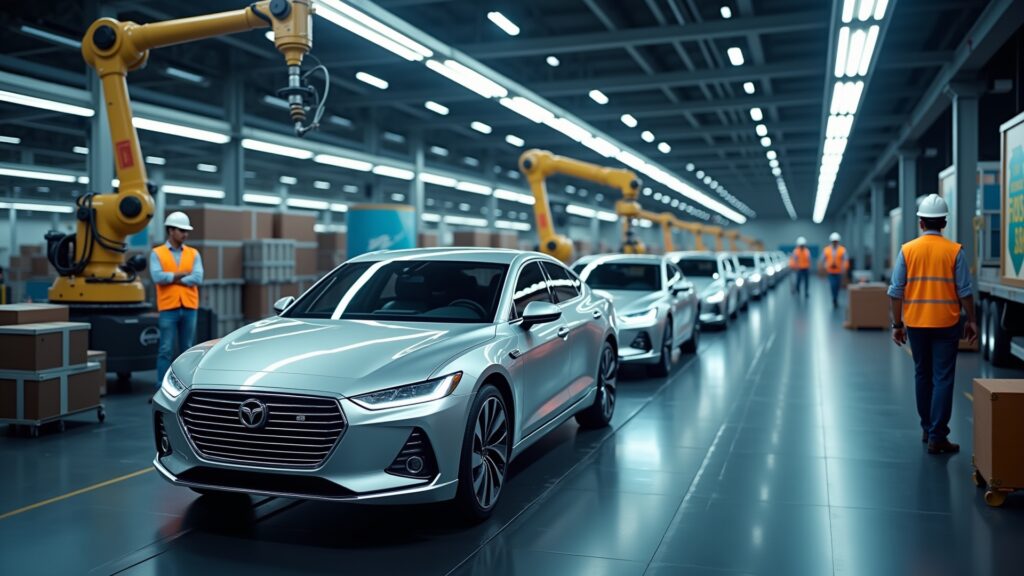











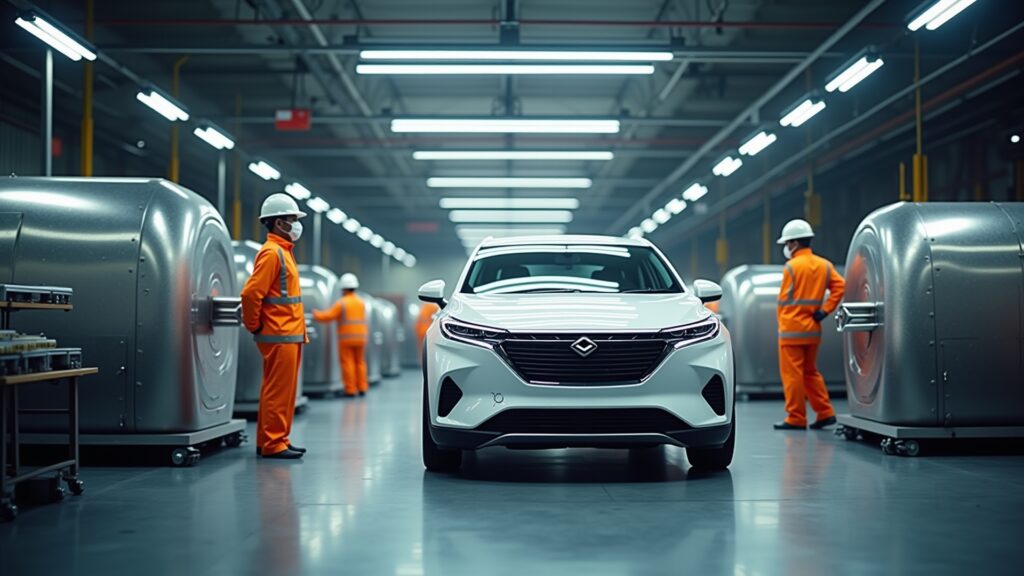
You stand at the cusp of a transformation in the Indian automotive landscape—one defined by strategic resource control, evolving product portfolios, and complex geopolitical challenges. The country’s focused push on rare earth magnets for electric vehicles (EVs) and Maruti Suzuki’s nuanced launch approach are signaling seismic shifts. But why should these developments matter to you and your business? Because the future profitability, competitiveness, and innovation capacity of your automotive enterprise depend on how well you navigate these emerging trends.
Why This Matters to You
In an era where global supply chain shocks and policy mandates converge with rapid electrification, your ability to anticipate and respond to foundational changes in Indian automotive manufacturing and strategy is critical. Rare earth magnets are not just niche technical components—they are linchpins in your EV product line’s performance, cost, and supply resilience. Meanwhile, OEMs like Maruti Suzuki are redefining market dynamics through strategically balanced launches, directly affecting dealer profitability, supplier contracts, and market share shifts you cannot afford to ignore.
What Is Happening in the Indian Automotive Sector
India has launched a renewed focus on developing indigenous rare earth magnet capabilities, aiming to drastically reduce dependency on imports from geopolitically sensitive regions. This move dovetails with Maruti Suzuki’s carefully staged product introductions focusing on hybrids and mild EVs alongside their dominant internal combustion engine (ICE) offerings. Meanwhile, Renault’s exploration of turbocharged CNG variants and the ongoing West Asia geopolitical crisis compound the complexity and opportunity of the market environment.
Key Business and Market Impact
- Supply Chain Resilience: The rare earth magnet initiative addresses a critical bottleneck in EV motor manufacturing, with positive implications for cost predictability and production scalability.
- OEM Product Strategy: Maruti’s dual focus on ICE retention and hybrid/EV expansion indicates a strategic hedge designed to maintain market leadership while adapting to new mobility paradigms.
- Fuel Diversification: Renault’s turbo-CNG Duster signifies OEM responsiveness to fuel price volatility and emission regulations, highlighting alternative revenue channels and component innovation.
- Geopolitical Risks: West Asia tensions expose vulnerabilities and enforce the need for strategic supplier diversification and closer policy collaboration to secure materials and logistics.
Deeper Strategic Analysis
The convergence of these developments demands a multi-dimensional strategic response from industry leaders like you. The rare earth magnet push is not just about localisation—it is a direct move toward controlling the core technology and inputs essential for EV competitiveness on the global stage. This control translates into enhanced bargaining power, greater margin stability, and accelerated innovation cycles.
Maruti Suzuki’s launch strategy reveals an OEM’s balancing act in transitioning India’s largest passenger vehicle market from traditional fuels to electrified segments without alienating the vast existing consumer base. Such a model demands recalibrated dealer networks, realigned supplier relationships, and calibrated marketing strategies focused on value retention and future-readiness.
Renault’s alternative fuel experimentation highlights that product variety and adaptability are essential to navigate price shocks and tightening emission norms. For component manufacturers and suppliers, it signals the growing importance of versatile powertrain components and modularity in design.
Finally, geopolitical factors underscore the urgent need for risk-mitigating frameworks encompassing diversified sourcing, long-term partnerships, and advocacy for stable trade policies.
Practical Takeaways for Your Business
- Prioritize collaborations and investments in rare earth magnet technologies to secure your EV supply chain and reduce import exposure.
- Monitor Maruti Suzuki’s new model rollouts closely to anticipate shifts in dealer demands, component sourcing, and competitive positioning.
- Evaluate opportunities in alternative fuels like turbo-CNG to diversify your portfolio and hedge against fuel price volatility.
- Develop contingency plans for supply chain disruptions triggered by geopolitical tensions, emphasizing supplier diversification and robust logistics.
Expert Insights
“In the automobile industry, speed is valuable — but strategic timing creates lasting advantage.”
“The real edge is not only in building vehicles, but in controlling the technology, supply chain, and customer experience behind them.”
“When manufacturing strength, policy clarity, and market demand align, automotive growth becomes far more scalable.”
Risks and Challenges You Need to Be Wary Of
Entering or expanding in newly localised supply chains comes with risks of technological gaps and capital intensity. Similarly, a misstep in product launch sequencing can jeopardize market share, especially amidst evolving consumer preferences. Geopolitical instability remains unpredictable, requiring constant vigilance and adaptive strategies. Lastly, regulatory shifts related to emissions and localisation policies can impose unexpected compliance costs.
What You Should Watch Next
- The progress and scaling of India’s rare earth magnet manufacturing capacity and how quickly it integrates into the EV production ecosystem.
- Maruti Suzuki’s detailed launch calendar and how its strategy influences dealer networks and supply chain partners.
- Further developments in alternative fuel vehicle technology and uptake patterns, particularly turbo-CNG and hybrids.
- Geopolitical developments in West Asia and their ripple effects on raw material access and logistics costs.
Conclusion: Position Yourself at the Vanguard of India’s Automotive Evolution
Your strategic choices today, influenced by India’s rare earth magnet push and OEM product strategies exemplified by Maruti and Renault, will shape your competitive positioning for years to come. Embracing localisation, fuel diversification, and risk-managed supply chains is not optional — it is imperative. As India cements its role as a global automotive manufacturing and export hub, your ability to integrate these insights into actionable strategies will define your success in a complex, electrified, and geopolitically charged market.
The rare earth magnets and OEM strategy in the Indian automotive industry are more than technical adjustments; they mark the dawn of a new era where strategic foresight, innovation, and agility create enduring business value.