













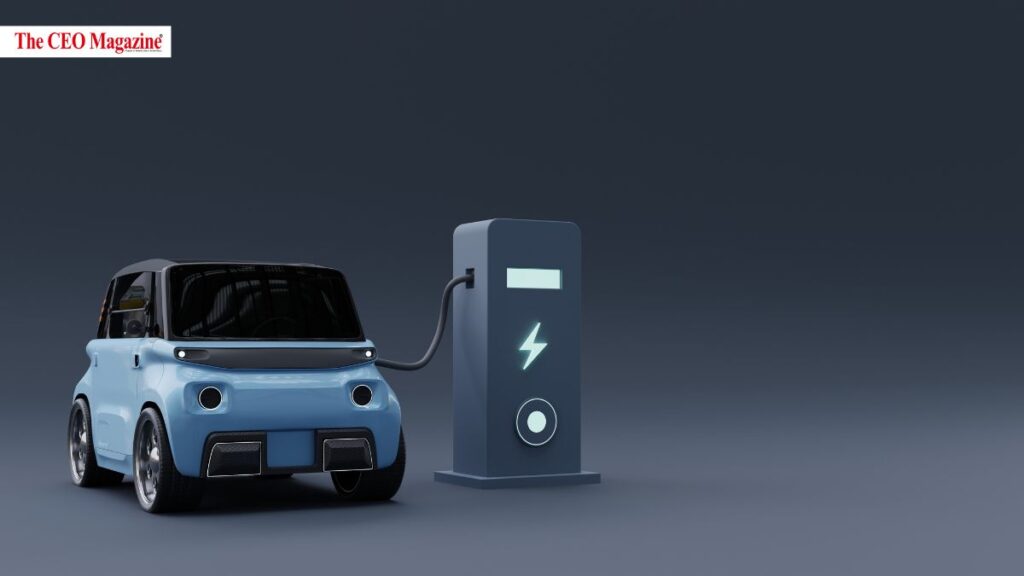
Over the next decade, understanding the electric vehicle (EV) ecosystem will be important for your automotive strategy. As the industry shifts towards sustainable practices, you need to identify key plays that can fortify your company against future challenges. This post explores seven strategic components within the EV landscape that not only enhance your operational efficiency but also position your business for long-term growth and innovation. By leveraging these concepts, you can ensure your company remains competitive in an evolving market.
Key Takeaways:
- Automobile companies should diversify their portfolios to include charging infrastructure and battery innovation to stay competitive in the EV market.
- Partnerships with technology firms can enhance data analytics capabilities and improve customer experience within the EV ecosystem.
- Investing in sustainable manufacturing processes and renewable energy sources is crucial for long-term viability and consumer trust.
The Rise of Electric Vehicles
Electric vehicles (EVs) are no longer a niche market but a dominant force reshaping the automotive landscape. As technology advances and production costs decline, these vehicles promise significant improvements in efficiency and sustainability. Major automakers are investing billions into EV development, signaling an undeniable commitment to electrification as the future standard of personal transportation. This shift is supported by increased infrastructure, making it easier for consumers to transition to electric options.
Market Trends and Consumer Adoption
Consumer adoption of electric vehicles is accelerating, highlighted by a dramatic rise in sales, expected to surpass 30% of global car sales by 2030. Factors such as increasing public awareness, tax incentives, and the growing availability of charging stations are driving this transformation. Younger consumers are particularly inclined toward EVs, signifying a shift in preferences that traditional automakers must account for in their strategic planning.
Environmental Impact and Regulation
The environmental implications of electric vehicles are substantial, as they contribute to reduced greenhouse gas emissions and improved air quality. Governments worldwide are tightening regulations on traditional combustion engines while offering incentives for EV adoption. Policies such as the European Union’s Green Deal aim to achieve climate neutrality by 2050, which includes a push for electric vehicles in the transport sector. Automobile companies must align their strategies with these regulations to stay compliant and competitive.
With increasing regulatory pressure, the automotive industry faces a pivotal shift in how vehicles are manufactured and sold. Countries like Norway aim for all new cars to be zero-emission by 2025, while many U.S. states are mirroring similar commitments. This trend presents challenges and opportunities, as automakers must not only innovate their product offerings but also address the environmental responsibilities that come with them. Companies that proactively adapt to these regulations will position themselves favorably, opening avenues for growth and enhancing their brand reputation among eco-conscious consumers.
Battery Technology Innovations
Placing battery technology innovations at the forefront of your strategy will significantly enhance your competitive edge. As advancements in energy density, charging speed, and longevity continue to evolve, exploring these innovations is crucial for meeting consumer demands and regulatory standards. Key trends like solid-state batteries and sustainable sourcing of materials are reshaping the landscape, promising to reduce costs and improve environmental impacts while increasing performance and safety.
Solid-State Batteries
Solid-state batteries represent a game-changing advancement in automotive energy storage. By replacing liquid electrolytes with solid materials, these batteries can achieve higher energy densities, faster charging times, and improved safety. Your next-generation electric vehicles equipped with solid-state technology can offer ranges exceeding 500 miles on a single charge, making them more appealing to a broader audience.
Sustainable Sourcing of Materials
Adopting sustainable sourcing practices for battery materials is imperative to meet growing environmental expectations. Transitioning to ethically sourced materials minimizes ecological impact while reducing supply chain risks. Ensuring that materials like lithium and cobalt are obtained through responsible means not only enhances your brand’s reputation but also secures the future supply needed to support EV growth.
Today’s consumers and regulators demand transparency and responsibility in sourcing. By investing in initiatives like battery recycling programs and partnerships with suppliers committed to sustainable practices, you can significantly reduce the environmental footprint of your vehicles. Companies like Tesla and BMW are already exploring closed-loop systems for lithium-ion batteries to recover precious materials, reinforcing the importance of sustainability in the EV battery lifecycle. This strategic focus on ethical sourcing not only meets regulatory requirements but also aligns with the growing consumer preference for environmentally friendly products.
Charging Infrastructure Development
Investing in charging infrastructure is vital for automakers aiming to support electric vehicle adoption and enhance customer convenience. By establishing robust networks, companies can alleviate range anxiety and streamline the charging process, ensuring that EV drivers have seamless access to power when needed. Those who prioritize developing these facilities stand to gain a competitive edge in the rapidly evolving automotive landscape.
Public Charging Networks
Public charging networks are vital in expanding the accessibility of electric vehicles. Collaborating with charging station providers enables you to ensure that a comprehensive network supports urban, suburban, and rural areas. By strategically placing fast-charging stations along major travel routes, you can significantly improve the EV ownership experience, ultimately accelerating broader market adoption.
Home Charging Solutions
Home charging solutions offer convenience and efficiency for EV owners, allowing you to charge your vehicle overnight without the hassle of seeking out a public station. Offering home charging hardware or partnerships with installation services can enhance your brand appeal. You can also explore incentives or incentives programs to encourage customers to opt for home charging setups.
If you can facilitate home charging solutions, consider offering tailored packages that include high-speed chargers and installation services. For instance, some companies have innovated with smart home integration, enabling users to monitor and control charging via their smartphones. This not only improves the user experience but can also contribute to energy savings through peak and off-peak charging rates. Partnering with local utility companies for rebates or incentives can further promote the adoption of home chargers, creating a strong value proposition for potential EV buyers.
Software and Connectivity
Your vehicles are becoming increasingly reliant on software and connectivity, delivering features that enhance user experience and vehicle performance. As integration into digital ecosystems deepens, the ability to manage software updates and offer real-time data insights will differentiate your brand in a competitive landscape. Companies that harness these capabilities can not only improve user satisfaction but also streamline operations and service deliverables.
Over-the-Air Updates
Over-the-air (OTA) updates are revolutionizing how you maintain your vehicle software. With this technology, you can receive updates that fix bugs, add new features, and enhance existing functionalities without visiting a service center. This flexibility not only reduces downtime but also keeps your vehicle at the forefront of technology, improving overall customer engagement.
Advanced Driver Assistance Systems (ADAS)
ADAS plays a significant role in enhancing vehicle safety and automation, offering features like adaptive cruise control, lane-keeping assist, and emergency braking. These systems utilize a combination of sensors and AI to enhance the driving experience, making it safer and more efficient. By investing in ADAS, you position your vehicles as tech-forward, attracting modern consumers who prioritize safety and innovation.
- Adaptive Cruise Control
- Lane-Keeping Assistance
- Automatic Emergency Braking
- Blind Spot Monitoring
- Parking Assistance
| ADAS Features | Functionality |
|---|---|
| Adaptive Cruise Control | Maintains a set speed while adjusting for traffic |
| Lane-Keeping Assistance | Helps keep the vehicle centered in its lane |
| Automatic Emergency Braking | Applies brakes to prevent collisions |
| Blind Spot Monitoring | Alerts you to vehicles in your blind spot |
| Parking Assistance | Facilitates parallel parking by controlling steering |
Investing in Advanced Driver Assistance Systems (ADAS) not only enhances safety but also appeals to growing consumer preferences for technological advancements in vehicles. According to a 2021 study, over 50% of consumers prioritize active safety features when making their purchase decisions. By offering comprehensive ADAS options, you reinforce your brand’s commitment to innovation, ultimately driving sales and fostering loyalty.
- Improved Safety Ratings
- Enhanced User Experience
- Increased Customer Satisfaction
- Potential for Future Automation
- Market Differentiator
| ADAS Impact | Market Trends |
|---|---|
| Reduced Accident Rates | Cost savings on insurance claims |
| Consumer Preference | Shift towards tech-savvy vehicles |
| Investment Opportunities | Funding in AI and sensor technologies |
| Collaboration Potential | Partnerships with tech firms |
| Future Growth | Pathway to autonomous vehicles |
Autonomous Driving Technologies
As the market shifts towards electric vehicles (EVs), autonomous driving technologies are becoming vital components for future-proofing automobile companies. This convergence of innovation not only enhances safety but also elevates the driving experience, allowing you to focus on what matters most. Investments in research and strategic partnerships will be key in navigating this complex landscape, propelling your company ahead of the competition.
Levels of Autonomy
Autonomous driving is classified into six levels, from Level 0-no automation-to Level 5, where full automation occurs. As vehicle manufacturers enhance technology, you’ll notice various offerings that gradually transition from driver assistance to complete self-driving capabilities. Recognizing these levels will help you align your product strategies with consumer expectations, ultimately enhancing your brand’s value proposition.
Integration with EV Infrastructure
Integrating autonomous driving technologies with EV infrastructure significantly boosts operational efficiency and user convenience. As you plan your company’s future, consider how vehicle-to-everything (V2X) communication can optimize traffic flow, reduce congestion, and enhance safety. By interconnecting cars, charging stations, and smart cities, you can create an ecosystem that maximizes the benefits of both EVs and autonomy.
This integration is not just about standalone advancements; it involves a cohesive approach where autonomous vehicles communicate with charging networks to optimize energy consumption and route planning. For instance, a Level 4 vehicle could autonomously navigate to the nearest charging station during low battery situations, minimizing downtime. This seamless interaction enhances user experience and operational efficiency, making cars smarter and better suited to your lifestyle. To truly capitalize on this synergy, embrace collaborations with tech companies and municipalities focused on developing smart infrastructure that supports both EV adoption and autonomous driving technology.
Partnerships and Collaborations
Your strategies should include forging partnerships and collaborations that enhance your market position and drive innovation. Collaborating with tech firms can accelerate the development of cutting-edge technologies, while alliances with energy providers ensure your EV customers have access to reliable charging solutions that support long-term growth.
Collaborations with Tech Companies
Teaming up with tech companies can offer significant advantages, particularly in areas like artificial intelligence and data analytics. For instance, partnerships with firms like Nvidia or Intel can pave the way for enhanced vehicle automation and smarter mobility solutions, making your vehicles not only electric but also intelligent.
Alliances with Energy Providers
Forming alliances with energy providers is beneficial for establishing a widespread EV charging network. Collaborations with companies like ChargePoint or Electrify America can enhance your infrastructure capabilities, ensuring that your electric vehicles are easily supported and accessible to customers across various regions.
Building alliances with energy providers can also lead to innovative solutions such as renewable energy sourcing for charging stations. For example, a partnership with a solar energy company can allow you to set up charging stations powered by solar panels, thus enhancing sustainability and appealing to eco-conscious consumers. This is not just about providing charging options; it’s about ensuring that those solutions align with future energy trends and consumer preferences for greener choices.
Final Words
With these considerations, you should recognize that embracing seven key EV ecosystem plays can significantly enhance your automobile company’s resilience and adaptability in a rapidly evolving market. Focusing on strategic partnerships, innovative technologies, and sustainable practices will empower you to navigate the complexities of the electric vehicle landscape effectively. By prioritizing these areas, you secure your organization’s future and position it as a leader in the transition toward a sustainable automotive industry.
FAQ
Q: What are the seven key elements of the EV ecosystem that automobile companies should focus on?
A: The seven key elements include battery technology advancements, charging infrastructure development, software integration for vehicle management, sustainable supply chain practices, vehicle-to-grid systems, partnerships with tech firms, and customer engagement through digital platforms.
Q: How can partnerships enhance the EV ecosystem for automobile companies?
A: Collaborations with tech firms can accelerate innovation in software and hardware integration, while alliances with energy companies can improve charging solutions and grid management. These partnerships enable automobile companies to leverage expertise and resources, driving efficiency and future-proofing their operations.
Q: Why is consumer engagement important in the EV ecosystem?
A: Engaging consumers through digital platforms helps automobile companies build loyalty and educate customers about the benefits of EV technology. It fosters a community around their brand, provides valuable feedback, and ensures a more personalized experience that aligns with consumer expectations in a rapidly evolving automotive landscape.