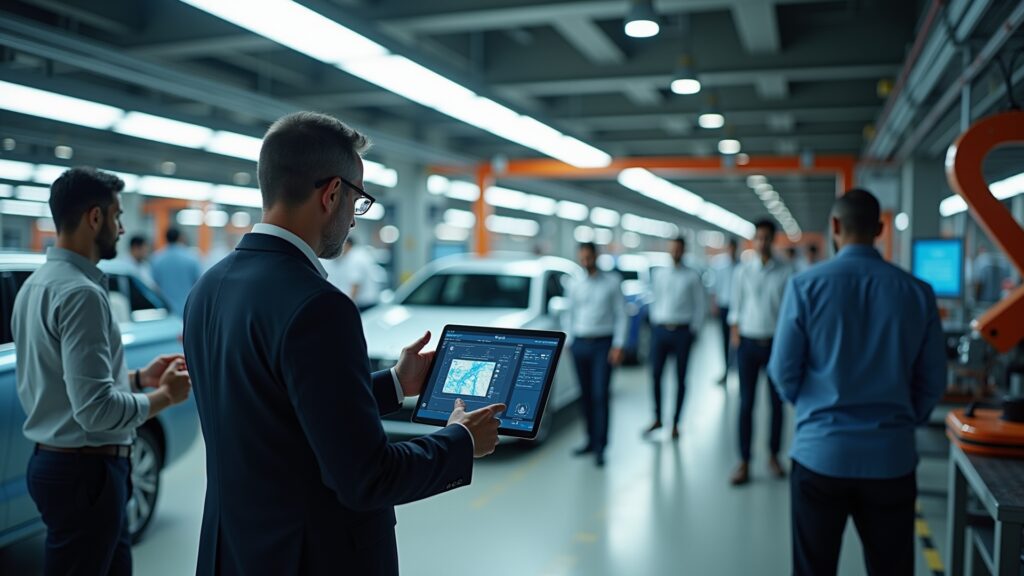









It’s reshaping how you view modern transportation as software-defined vehicles (SDVs) transform traditional automotive engineering into a more connected, software-centric approach. These innovative vehicles leverage advanced software to enhance functionality and user experience, providing you with unprecedented control over features and updates. In this blog post, you’ll explore how SDVs are driving the future of automotive design, connectivity, and consumer engagement, fundamentally altering the industry landscape.
Key Takeaways:
- Software-defined vehicles enhance customization and real-time updates, allowing manufacturers to rapidly adapt to market demands.
- Integration of advanced technologies like AI and connectivity improves safety features and overall driving experience.
- Shift towards software-centric models influences revenue streams, emphasizing services over traditional vehicle sales.
The Concept of Software-Defined Vehicles
Software-defined vehicles (SDVs) represent a transformative shift in how automakers approach vehicle design and functionality. By leveraging advanced software, these vehicles enable over-the-air updates, enhanced user experiences, and greater adaptability to consumer needs. As technology evolves, SDVs continue to integrate features that redefine the driving experience, making them a pivotal element in modern automotive engineering.
Definition and Key Features
A software-defined vehicle is one that relies heavily on software for its operation, management, and enhancement. This software-centric approach enables a dynamic and customizable user experience, with the ability to upgrade systems and functionalities remotely. Key features include:
- Over-the-air software updates
- Advanced driver-assistance systems (ADAS)
- Vehicle-to-everything (V2X) communication
- Cloud-based data analytics
- Customizable user interfaces and experiences
- Enhanced cybersecurity protocols
Perceiving the vehicle as a constantly improving platform, you can expect regular upgrades that enhance performance and safety.
Comparison to Traditional Vehicles
In contrast to traditional vehicles, which rely on hardware to deliver core functionalities, software-defined vehicles are defined by their software capabilities. This fundamental difference allows SDVs to adapt quickly to technological advancements and consumer preferences, resulting in a more agile industry.
| Aspect | Traditional Vehicles | Software-Defined Vehicles |
| Functionality Updates | Manual updates through service centers | Remote over-the-air updates |
| User Experience | Fixed features at delivery | Customizable and evolving features |
| Data Usage | Basic onboard diagnostics | Comprehensive data analytics and cloud integration |
| Vehicle Connectivity | Limited connectivity options | Full V2X connectivity and communication |
Traditional vehicles typically function with fixed hardware configurations and face significant challenges in adopting new innovations. In contrast, software-defined vehicles are designed for continuous improvement, allowing for swift adaptations to changes in technology and customer demands. This dynamic capability often results in a higher customer satisfaction level as vehicles seamlessly evolve, offering more advanced features, safety measures, and personalized experiences over time.
Impact on Automotive Manufacturing
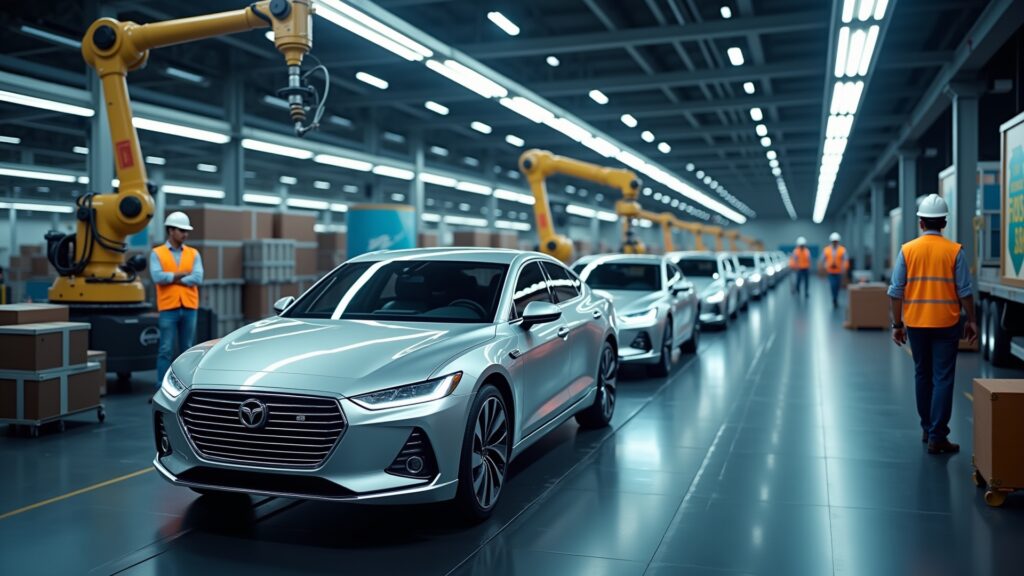
With the shift toward software-defined vehicles, automotive manufacturing is undergoing significant changes. You’ll notice innovations that improve production timelines and increase flexibility in design and assembly. By integrating software solutions throughout the manufacturing process, automakers can rapidly adapt to evolving consumer preferences and regulatory requirements, ultimately streamlining operations.
Design and Production Efficiency
Your approach to design and production efficiency can benefit from enhanced collaboration between engineering and software teams. By leveraging digital twins and simulation technologies, you can test vehicle designs virtually, reducing physical prototyping costs and time. This synergy allows for a faster rollout of new models while maintaining quality standards.
Supply Chain Transformations
As you navigate supply chain transformations, expect real-time data to play a key role. Advanced analytics can help you manage inventory more effectively, reducing lead times and costs. Collaborating with suppliers through shared platforms ensures better integration and improves responsiveness to market changes.
Supply chain transformations are increasingly driven by connectivity and data exchange among all stakeholders. Companies are utilizing blockchain technology to enhance transparency and traceability, enabling you to verify the origins of components and materials. Rapid shifts in demand, driven by consumer preferences or geopolitical factors, require agile responses. Thus, integrating AI-driven analytics can assist in demand forecasting, allowing you to optimize your supply chain strategies proactively. This level of adaptability not only cuts costs but also enhances overall operational efficiency, positioning your business to thrive in an ever-evolving automotive landscape.
Enhanced Driver Experience
With the rise of software-defined vehicles, the driver experience evolves dramatically. You’ll find a blend of advanced technologies that prioritize comfort, safety, and convenience. Features like adaptive cruise control, automated parking, and AI-driven traffic analysis ensure your driving journeys are not only enjoyable but also more efficient. Every aspect, from performance to infotainment, is tailored to meet the demands of modern drivers.
User Interface and Connectivity
Your interaction with the vehicle is now more seamless than ever. The user interface integrates voice commands, touchscreens, and augmented reality displays that provide real-time data about your surroundings and vehicle performance. Enhanced connectivity with smartphones and smart home devices allows you to control various functions, ensuring you are always in sync with your digital life.
Over-the-Air Updates and Personalization
Over-the-air updates revolutionize how you experience your vehicle. This feature enables immediate software enhancements and bug fixes, ensuring your car is always equipped with the latest technologies. Personalization options allow you to configure settings, such as seat positions, climate control, and infotainment preferences, tailoring every drive to your liking.
The capability for over-the-air updates not only enhances your vehicle’s software but fosters ongoing customization. For instance, Tesla frequently rolls out updates that introduce new features, improve battery efficiency, or enhance driving dynamics. This continuous improvement model means that you aren’t just buying a vehicle; you’re investing in a product that evolves and adapts to your preferences over time, improving both functionality and enjoyment with each update. Reports indicate that over 80% of modern vehicles will support OTA updates by 2025, demonstrating the industry’s commitment to personalization and connectivity in your driving experience.
Safety and Security Considerations
Your vehicle’s software-defined architecture introduces new safety and security vulnerabilities that must be proactively managed. As vehicles rely more on software for critical functions, the potential for digital breaches or software malfunctions increases. A comprehensive approach that addresses both safety and security is necessary to protect users, ensure compliance with regulatory standards, and maintain public confidence in these evolving technologies.
Data Privacy Challenges
Balancing user convenience with data privacy poses a significant challenge in software-defined vehicles. As these vehicles collect vast amounts of personal data-from location to driving behavior-ensuring that this information is stored securely and used responsibly is paramount. You may face concerns about how your data is shared with third parties and what measures are in place to safeguard your privacy.
Cybersecurity Measures
Implementing robust cybersecurity measures is crucial to protect software-defined vehicles from malicious attacks. You should prioritize advanced encryption protocols, regular software updates, and real-time threat detection systems. Ensuring that all components of your vehicle’s system are safeguarded against vulnerabilities is critical in maintaining your overall safety and preventing unauthorized access.
To strengthen cybersecurity, manufacturers are adopting a multi-layered defense strategy, incorporating techniques like intrusion detection systems and anomaly detection algorithms. For example, automakers are leveraging AI-driven monitoring tools that analyze unusual vehicle behavior patterns, which can indicate a potential cyber attack. Additionally, companies are conducting rigorous penetration testing and collaborating with cybersecurity experts to evaluate and enhance their systems regularly. The goal is to stay one step ahead of hackers and maintain the integrity of vehicle software, protecting both you and the driving experience.
Future Trends in Automotive Technology
The automotive landscape is evolving rapidly, driven by advancements in technology and changing consumer demands. You can expect a seamless integration of hardware and software, leading to improved vehicle efficiency, enhanced user experiences, and innovative service models. As software-defined vehicles become standard, trends such as electrification, connected car technology, and over-the-air updates will become commonplace, fundamentally transforming how you interact with your vehicle.
Autonomous Driving Integration
With the integration of autonomous driving features, your vehicle is transforming into an intelligent travel assistant. Leveraging sophisticated sensor technologies and real-time data processing, you can anticipate a future where your car not only navigates but also learns from its environment, adapting its driving style for optimal safety and efficiency. This technology paves the way for a more hands-free driving experience, ensuring that your daily commute is as effortless as possible.
The Role of Artificial Intelligence
Artificial intelligence is pivotal in shaping the future of automotive technology. Through machine learning algorithms, your vehicle can analyze vast amounts of data, improving decision-making and operational efficiency. AI enhances functionalities such as predictive maintenance, personalized driving experiences, and adaptive navigation systems, ensuring your car remains responsive and reliable in varying conditions.
AI’s impact goes beyond basic functionality; it enables predictive analytics to foresee potential mechanical issues before they arise, minimizing downtime. Picture a scenario where your vehicle alerts you about a battery issue days in advance, allowing you to schedule maintenance at your convenience. Furthermore, AI personalizes your driving experience by learning your preferences, adjusting seat positions, climate controls, and even suggesting routes based on traffic patterns. Each advancement in AI continues to enrich the driving experience, making it smarter and more connected every day.
Regulatory and Industry Landscape
Your navigation through the evolving automotive landscape is significantly influenced by the regulatory and industry frameworks around software-defined vehicles (SDVs). Governments are increasingly updating policies to account for advancements in vehicle technology, ensuring safety while promoting innovation. These regulations play a pivotal role in defining operational standards and addressing consumer concerns, making it crucial for manufacturers and technology providers to remain compliant and agile in this shifting arena.
Policy Adaptations
As SDVs gain mainstream acceptance, regulatory bodies are adapting existing frameworks to incorporate new technologies. Policies surrounding data privacy, cybersecurity, and autonomous driving features are being revised to protect consumers while fostering innovation. Specific instances include the European Union’s General Data Protection Regulation (GDPR) impacting how automotive companies manage user data, highlighting the need for compliance in the age of software-centric vehicles.
Collaboration Among Stakeholders
Collaboration across sectors is vital for the seamless integration of SDVs into existing infrastructure. Automakers are working closely with technology firms, regulatory agencies, and academic institutions to address the multifaceted challenges posed by software-defined capabilities. The ongoing partnership between industry leaders like Ford and Microsoft exemplifies how shared resources and knowledge can drive advancements in vehicle tech and ensure coherent regulatory compliance.
Joint ventures between automakers and tech companies are becoming increasingly important to navigate the complexity of software deployment and regulatory demands. For example, partnerships that involve co-developing connected vehicle technologies can yield enhanced insights into user behavior while simultaneously addressing safety protocols mandated by regulatory authorities. Collaborations can also extend to creating industry standards that facilitate smoother communication between vehicles and infrastructure, further promoting a cohesive approach to adopting SDVs in urban environments.
Conclusion
Upon reflecting on the transformative nature of software-defined vehicles, you can appreciate how they are reshaping mobility and redefining the automotive landscape. Your understanding of this technology allows you to anticipate not only the benefits it brings in terms of connectivity and customization but also the challenges it presents in implementation and regulatory compliance. As you engage with this evolving paradigm, you’ll find opportunities for innovation that can enhance your driving experience and reshape your relationship with your vehicle.
FAQ
Q: What are software-defined vehicles (SDVs)?
A: Software-defined vehicles are vehicles that integrate advanced software systems for controlling various aspects of functionality, including driving dynamics, infotainment, and connectivity. This approach allows for continuous updates and enhancements, merging traditional automotive hardware with software capabilities.
Q: How does software-defined architecture benefit vehicle performance?
A: The software-defined architecture allows for real-time adjustments and improvements to vehicle systems. This leads to optimized performance, enhanced fuel efficiency, and tailored driving experiences. Manufacturers can deploy updates remotely, reducing the need for physical recalls and service appointments.
Q: What implications do SDVs have for automotive manufacturers and their business models?
A: SDVs shift the focus from hardware sales to software and service-based revenue models. Manufacturers can develop subscription services for features and over-the-air updates, fostering long-term customer relationships. This transition encourages innovation and a competitive edge in a rapidly evolving market.