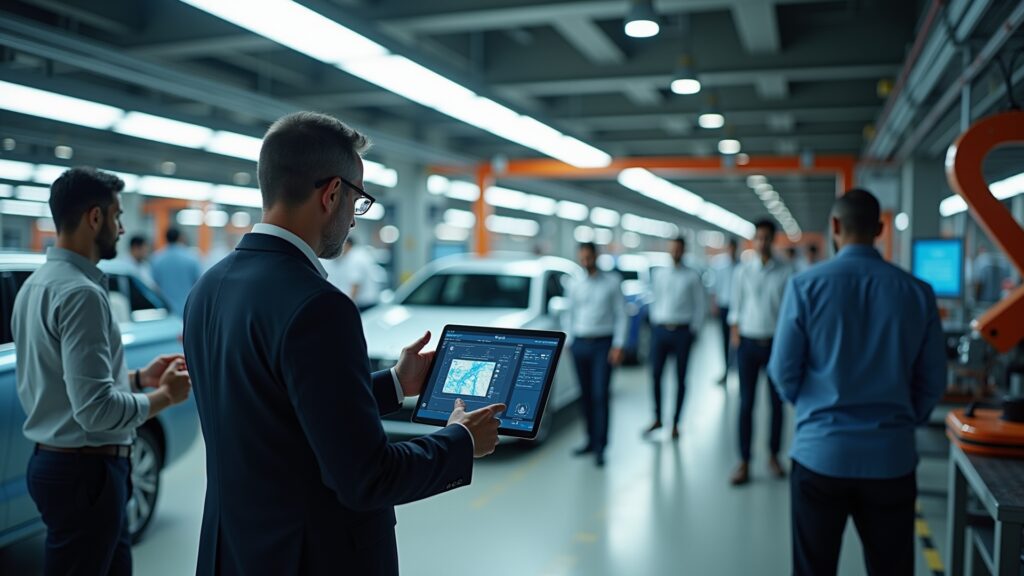










You stand at a defining moment in India’s automotive evolution, where the interplay of sustainability and emerging technologies is not just shaping vehicles but reshaping entire business models. For you—be it as an OEM leader, investor, supplier, or policymaker—this convergence demands a strategic pivot. How you adapt could determine your competitiveness in the next-generation automobile market, influence your global market share, and secure your position within a rapidly transforming ecosystem.
Why This Matters to You: Navigating Industry Transformation
The Indian automotive sector is pivoting from volume-driven strategies to value-driven innovation. Sustainability is no longer a regulatory checkbox but a central driver influencing manufacturing costs, supply chain resilience, and consumer preference. At the same time, technologies such as AI, IoT, and advanced battery systems are redefining vehicle capabilities and operational efficiencies.
For business leaders, understanding this nexus enables you to anticipate shifts in policy environments, optimize investment in electrification, and streamline supplier relationships. Aligning your strategy with these forces enhances your brand’s reputation, market relevance, and long-term profitability.
The Current Landscape: What Is Happening in India’s Auto Industry?
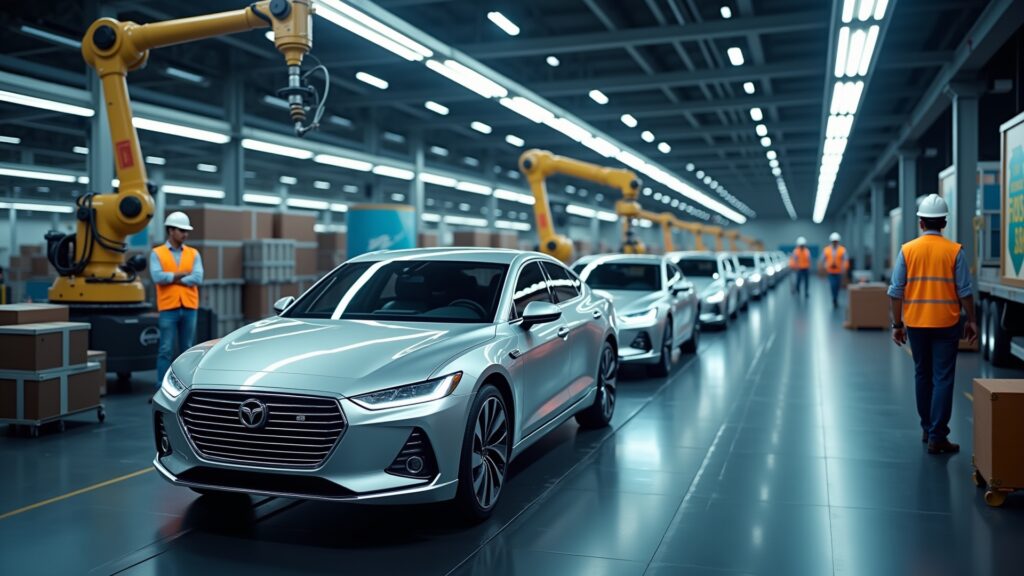
The discourse highlighted by platforms like WION World Pulse reflects a collective recognition of sustainability and technology as core industry pillars. Indian manufacturers are localizing supply chains to curb environmental impact and mitigate global disruptions, leveraging digital tools for just-in-time production efficiency.
Simultaneously, government policies encourage cleaner energy adoption and recycling, underpinning a shift towards electric powertrains and circular manufacturing models. Emerging technologies are fast-tracking innovations in software-defined vehicles, connected services, and autonomous driving capabilities, preparing India’s automotive sector for a digital-first future.
Key Business and Market Impact: Beyond Environmental Compliance
Sustainability translates directly into business value—not merely a compliance burden but a competitive edge. By embedding green practices into manufacturing, you reinforce supply chain resilience and manage cost volatility better. These efficiencies, combined with evolving policy incentives, influence capital allocation decisions, pushing investments towards EV infrastructure, battery ecosystems, and renewable energy integration.
On the technology frontier, integrating AI and IoT enhances operational agility and quality controls. The rise of hybrid and fully electric powertrains compels you to rethink R&D priorities, forge strategic partnerships, and navigate mergers or funding to remain competitive globally.
Strategic Insight: Positioning for Leadership in a Tech-Driven, Sustainable Market
Leading your organization through this transition requires a balanced approach: invest in digital manufacturing transformation while aggressively localizing sourcing to reduce carbon footprints and supply risks. Embed sustainability metrics into performance KPIs, ensuring that every stakeholder aligns with environmental and business goals.
Strategically, you must also broaden your vision beyond immediate product innovation. Think ecosystemically—platform strategies that integrate software, hardware, and customer experience will become differentiators in a global market increasingly oriented toward connected and software-defined vehicles.
“In the automobile industry, speed is valuable — but strategic timing creates lasting advantage.”
Here, your ability to forecast technology adoption curves and manage regulatory shifts will determine your market relevance and export potential as India positions itself as a global manufacturing hub for next-generation vehicles.
Practical Takeaways for Industry Leaders
- Integrate sustainability deeply: Look beyond compliance to embed circular economy principles in design and production.
- Localize while digitizing: Strengthen supply chain resilience by combining near-market sourcing with Industry 4.0 technologies.
- Accelerate EV and battery investments: Prioritize capital towards electrification infrastructure and explore partnerships focused on advanced battery development.
- Innovate in software and connected mobility: Develop capabilities in AI, IoT, and autonomous systems to leapfrog conventional vehicle paradigms.
- Engage proactively with policy frameworks: Leverage incentives and participate in shaping evolving regulations to hedge risks.
Expert Perspective
“The real edge is not only in building vehicles, but in controlling the technology, supply chain, and customer experience behind them.”
“When manufacturing strength, policy clarity, and market demand align, automotive growth becomes far more scalable.”
Risks and Challenges: Navigating Complexity
This transformative agenda is not without complexity. Supply chain disruptions, scarce battery materials, and rapidly shifting regulatory landscapes pose significant risks. Over-commitment to unproven technologies or premature scaling without market validation could drain resources and erode margins.
Furthermore, harmonizing stakeholder interests—from raw material suppliers to end consumers—requires deft change management and transparent communication. A lack of ecosystem coordination risks fragmentation and lost opportunities on the global stage.
What You Should Watch Next
- Policy developments around EV incentives, carbon regulations, and import-export frameworks.
- Technological breakthroughs in battery technology and charging infrastructure scalability.
- M&A and partnership activities focused on software platforms and connected vehicle ecosystems.
- Domestic supply chain localization trends and investments in digital manufacturing tools.
- Market responses to emerging vehicle categories like hybrids, electric two-wheelers, and software-defined cars.
Conclusion: A Strategic Fusion Shaping India’s Automotive Destiny
The sustainability and emerging technologies in India’s automotive industry are reshaping the sector’s foundation with clear economic and environmental stakes. As a leader, your role is to harness this dual momentum—ensuring that your investments, strategies, and collaborations reflect a future-ready paradigm.
By strategically integrating sustainability with cutting-edge technology, you position your enterprise to not only meet regulatory and market demands but also to drive profitability and global competitiveness. This fusion offers a rare opportunity for India’s automotive industry to lead both in innovation and responsible manufacturing, setting a benchmark for the global auto sector.