











As a leader or decision-maker within India’s automotive or transport ecosystem, you must focus sharply on emerging vulnerabilities that could disrupt your operations and long-term strategies. One such critical vulnerability is the potential disruption of the urea supply chain—a key component in diesel vehicle emissions control technology. This issue not only challenges the operational stability of diesel fleets but also carries profound implications for your compliance, profitability, and broader industry positioning.
Why This Matters to You
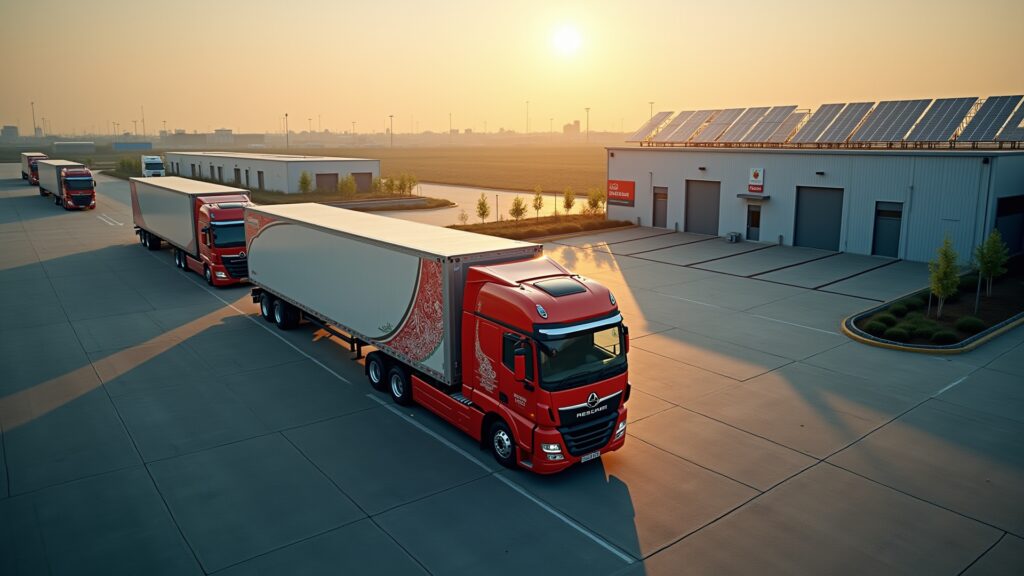
In your business, where diesel-powered transport undertakes the heavy lifting of freight and logistics nationwide, any hiccup in urea availability can cascade into costly delays, regulatory non-compliance, and elevated operational costs. Given the reliance of Selective Catalytic Reduction (SCR) systems on urea-based Diesel Exhaust Fluid (DEF) to reduce nitrogen oxide (NOx) emissions under BS-VI regulations, a supply disruption isn’t a minor inconvenience—it risks the economic viability of your diesel assets and strategic goals.
Understanding the Critical Role of Urea in Diesel Transport
Diesel vehicles, especially commercial trucks and heavy-duty transport, utilize SCR technology to meet stringent environmental norms by injecting DEF, primarily composed of urea, into exhaust streams. The chemical reaction reduces NOx emissions, a key pollutant controlled under BS-VI standards and emerging emission norms globally. This positions urea not merely as a chemical input but as a strategic enabler for diesel fleet operations compliant with evolving environmental legislation.
Strategic Impact on OEMs and Fleet Operators
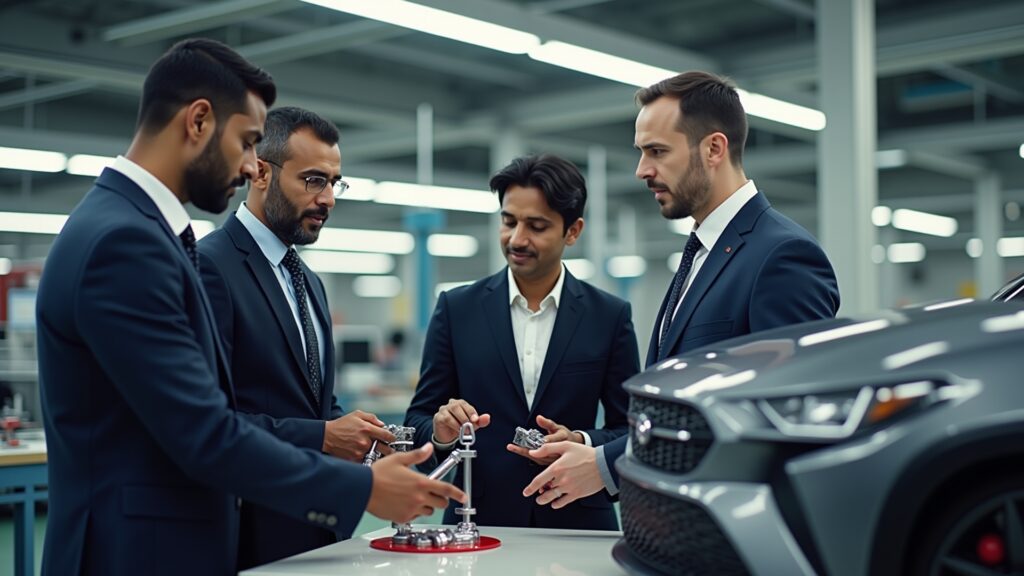
Your Original Equipment Manufacturer partners and fleet operators face a sharp strategic inflection point. Urea supply instability demands a rethink of:
- Fleet Composition Strategies: Accelerate hybrid and electric vehicle (EV) adoption to reduce dependence on diesel technology constrained by chemical supply.
- Collaborative Supplier Relationships: Deepen engagements with chemical manufacturers or explore local production and stocking strategies to ensure uninterrupted DEF availability.
- Technological Alternatives: Invest in alternative emission control technologies that either minimize or bypass urea dependence.
These actions are vital to safeguard production continuity, compliance integrity, and operational efficiency.
Supply Chain and Policy Dimensions
From a supply chain lens, the urea supply challenge highlights the profound interdependencies between automotive manufacturing and India’s chemical industry infrastructure. In the transitional phase where diesel remains dominant, policy frameworks must pragmatically balance aggressive environmental targets with the sector’s chemical material realities. This means ensuring strategic reserves, incentivizing local urea production, and aligning transition timelines to shield the diesel transport segment from acute shocks.
Market and Investment Considerations
Investors and industry leaders must integrate urea supply risk into market risk evaluations and investment forecasting for the diesel sector. Anticipate potential impacts such as:
- Reduced fleet utilization rates due to operational interruptions.
- Profitability erosion from cost escalations or regulatory penalties.
- Shifts in asset valuations driving a pivot towards electrification and emission control technology startups.
Viewing this risk through a portfolio strategy lens will help optimize capital allocation and growth trajectories within your automotive ecosystem.
Looking Ahead: Navigating Risks and The Transition Landscape
Proactive mitigation is your best defense. Consider these strategic steps:
- Diversify your urea supply chains to reduce exposure to single-source risks.
- Boost localisation efforts in urea production aligned with the Make in India framework, enhancing supply security and cost management.
- Accelerate electrification roadmaps where operationally and commercially viable, reducing future chemical dependencies.
- Engage with policymakers to influence realistic transition policies that accommodate critical material constraints while advancing emissions goals.
Remember, “In the automobile industry, speed is valuable — but strategic timing creates lasting advantage.” Aligning your operational agility with foresight in supply chain management defines future competitive differentiation.
Practical Takeaways for Industry Leaders
- Monitor urea supply chain health closely — anticipate disruptions early to adapt operational plans swiftly.
- Evaluate long-term fleet strategy to balance diesel asset investments with hybrid and EV integration.
- Collaborate with chemical suppliers to co-create resilient supply solutions and increase localisation.
- Incorporate urea supply risk scenarios into financial forecasting and risk management frameworks.
- Advocate for policy interventions that stabilize the chemical supply ecosystem supporting diesel emission controls.
The Cautious Perspective: Risks and Challenges
While mitigating urea supply risks is critical, over-reliance on any single emission control strategy could constrain agility. Sudden regulatory changes or technological disruptions may demand rapid shifts away from SCR dependence. Moreover, scaling up local urea production involves capital intensity and timelines that require coordination across industries and government.
As one might reflect, “The real edge is not only in building vehicles, but in controlling the technology, supply chain, and customer experience behind them.” Managing this balance carefully determines sustainable success.
What You Should Watch Next
Track developments such as government policy announcements on chemical industry support, investments in urea production capacity, and technological innovations in diesel emission control alternatives. Also, keep an eye on market signals from OEMs and fleet owners shifting towards electrification or diversified emission strategies.
Conclusion
The looming urea supply disruption is more than a chemical shortage; it signifies a critical strategic vulnerability impacting India’s diesel transport sector. By recognizing and addressing this risk, you safeguard your business continuity, regulatory compliance, and competitive positioning. Strategic collaboration across OEMs, suppliers, policymakers, and investors will be essential to navigate this challenge effectively.
“When manufacturing strength, policy clarity, and market demand align, automotive growth becomes far more scalable.” Your next moves in response to the urea supply challenge will define how resilient and competitive your diesel transport operations remain in a rapidly transforming automotive landscape.