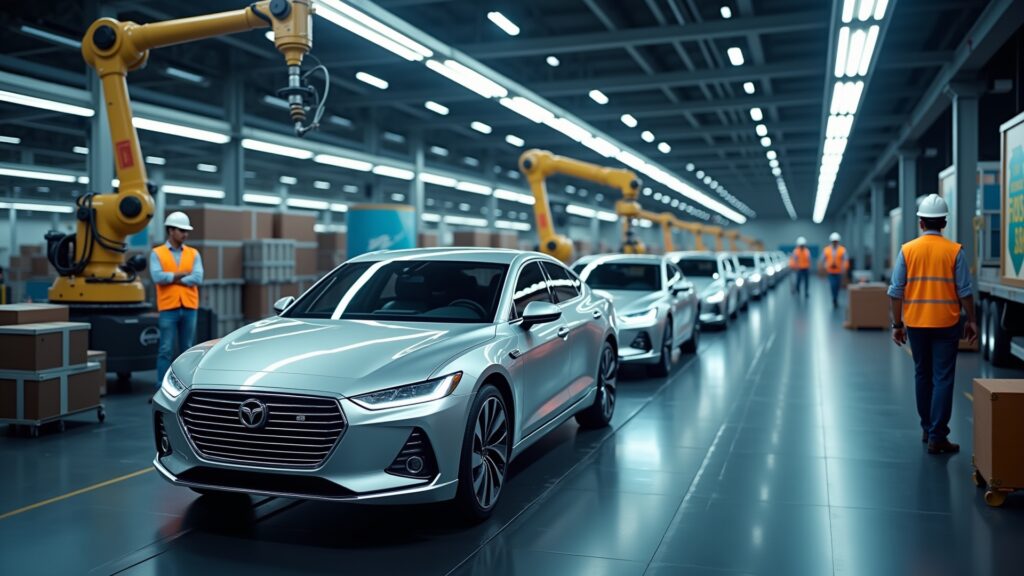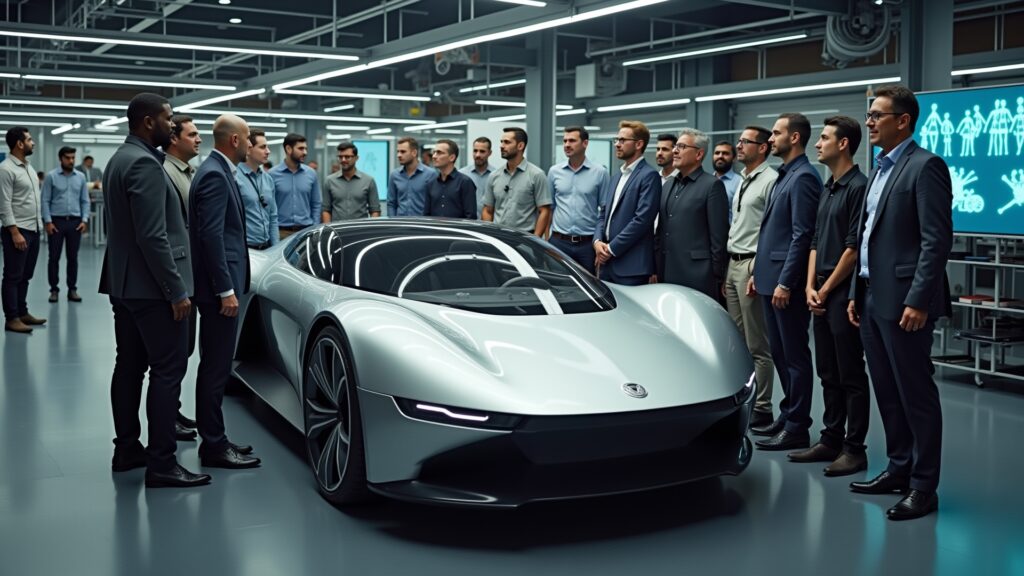
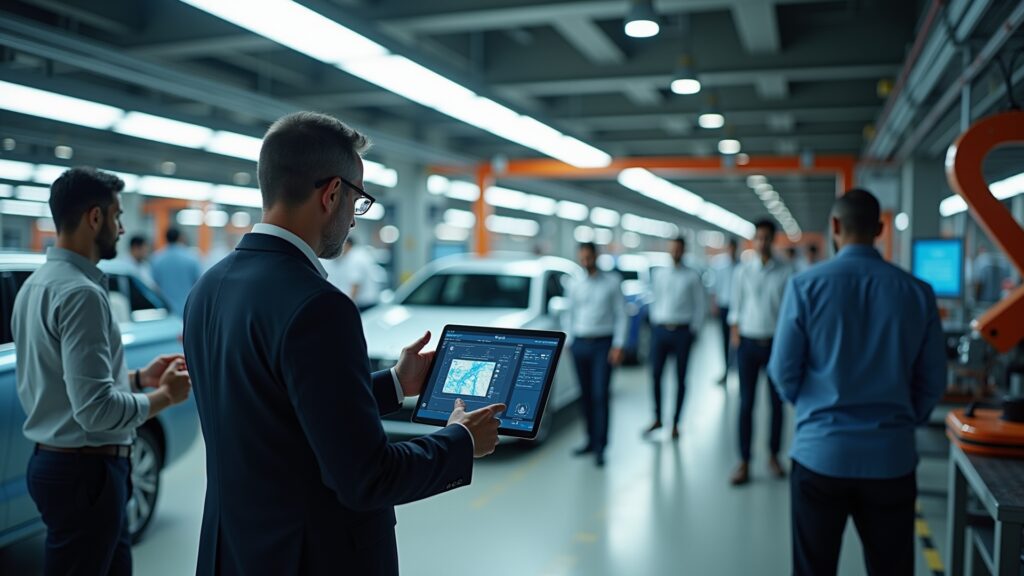










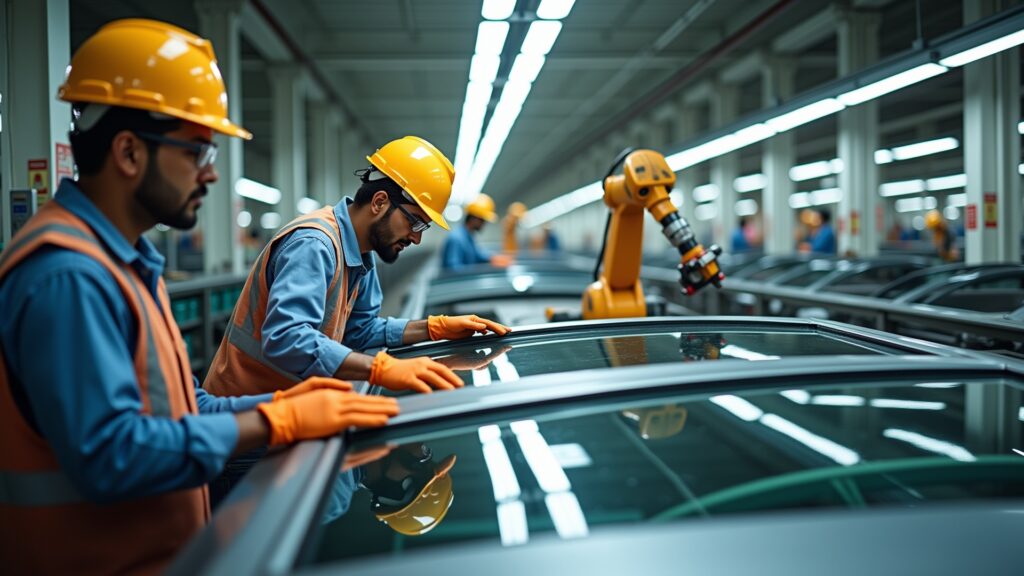
You stand at a pivotal moment in India’s automotive landscape, where localisation and premiumisation converge to redefine component manufacturing strategies. The announcement of Webasto’s third manufacturing plant in India is not just another expansion; it is a strategic landmark that signals a surge in demand for sophisticated automotive features like sunroofs and an accelerated shift toward strengthening domestic supply chains. Understanding this move is key to grasping how your business, investments, or operational strategies could ride the wave of transformation sweeping the Indian auto industry.
Why This Development Matters to You
As a leader, investor, or stakeholder in the automotive ecosystem, Webasto’s decision impacts the strategic landscape you navigate. Whether you’re an OEM exploring localisation to enhance profitability, a component manufacturer assessing competitive pressures, or a policymaker pushing Make in India goals, this expansion offers insights into evolving consumer preferences and supply chain imperatives.
Increasing consumer appetite for premium vehicle features like sunroofs reflects shifting demographics and rising disposable incomes, translating directly into new profit centers for automakers and suppliers alike. Meanwhile, Webasto’s localisation strategy showcases a model for mitigating global supply chain risks and elevating production responsiveness—critically relevant as you optimize your sourcing and manufacturing footprints.
What Exactly Is Happening with Webasto in India?
Webasto, a global leader renowned for sunroof technologies and advanced automotive roof systems, is inaugurating its third manufacturing plant in India. This expansion responds to a tangible surge in demand for sunroofs, now becoming standard or premium features across more vehicle segments in India’s growing passenger vehicle market.
This new plant enhances Webasto’s capacity to supply not only domestic OEMs but also export markets, bolstering India’s position as a critical node in global automotive manufacturing networks. The move pairs rising domestic market potential with strategic localisation, reflecting a long-term bet on India’s evolving role in the international auto component supply chain.
Strategic Business and Market Implications
The inauguration of a third plant goes beyond simple capacity build-out: it is a decisive reinforcement of localisation, which you should regard as a core pillar of India’s automotive transformation.
- Supply Chain Resilience: Webasto’s investment reduces dependency on imports, shortens lead times, and strengthens cost efficiencies—key levers for maintaining competitive advantage amid global disruptions.
- Premiumisation of Vehicle Features: The increasing inclusion of sunroofs as either standard or luxury options highlights how automotive OEMs are leveraging differentiated features to capture higher margins and cater to middle and upper-middle-class buyers.
- EV and Hybrid Ecosystem Integration: As you pivot toward electrification, remember that components like sunroofs are no longer mere add-ons—they require seamless integration with electrical and software systems, a capability Webasto’s enhanced local footprint supports effectively.
- Export and Global Competitiveness: The plant supports India’s Make in India and export thrust, creating strategic value for OEMs and suppliers looking to compete on quality and price in international markets.
Deeper Insights into Industry and Leadership Perspectives
From your vantage point as an industry leader, this development is a clear vote of confidence in India’s growing role as an automotive manufacturing hub. Webasto demonstrates that investing in localised production is no longer optional but a strategic imperative—one that mitigates risks and enhances responsiveness in a fast-evolving market.
“In the automobile industry, speed is valuable — but strategic timing creates lasting advantage.”
The company’s move encourages you to rethink partnership models, capacity investments, and innovation strategies. Collaborative opportunities with global suppliers becoming embedded locally can reshape the competitive landscape, especially in the emerging software-defined and connected mobility era.
Moreover, the expansion sends a signal to policymakers and investors alike: strengthening local value chains through modernized facilities is key to long-term sustainability and export growth.
Practical Takeaways for Your Business Strategy
- Prioritise Localisation: Building manufacturing capabilities within India not only improves supply chain robustness but also aligns with regulatory incentives and consumer preferences for locally made components.
- Leverage Premium Feature Integration: Incorporate advanced features like sunroofs in your product portfolio to elevate brand perception and capture rising middle and premium segment demand.
- Invest in Technology Alignment: Equip your manufacturing ecosystem to support electrification and software integration needs, which are critical as vehicles evolve beyond traditional mechanical components.
- Monitor Export Opportunities: Evaluate how expanded local production can boost export volumes, especially under supportive government policies, and address global market demands efficiently.
- Foster Strategic Collaborations: Engage with global technology leaders like Webasto to transfer expertise, innovate, and create competitive advantages in your product offerings.
Risks and Considerations
While the expansion is strategically sound, keep an eye on potential challenges including supply chain bottlenecks, skilled labor availability, and technological adaptation. The competitive pressure to rapidly integrate evolving automotive technologies could also stretch existing capabilities.
“The real edge is not only in building vehicles, but in controlling the technology, supply chain, and customer experience behind them.”
Ensuring an agile approach to production and innovation will be crucial to navigating these risks effectively.
What Should You Watch Next?
Track how Webasto leverages its Indian footprint to engage with new OEM partners, especially in the EV and premium vehicle segments. Observe government policy shifts that impact automotive localisation and export incentives. Monitor the evolving consumer appetite for integrated vehicle technologies, as these trends will shape your supply chain and product development priorities moving forward.
Conclusion: A Strategic Signal for the Indian Auto Component Ecosystem
Webasto’s third plant in India is far more than a production facility—it represents a strategic inflection point in auto component localisation, supply chain resilience, and feature-led premiumisation. For you, whether in leadership, investment, or policy roles, this signals a matured market ready for the next generation of automotive innovation and growth. The facility embodies how localisation and technology integration are becoming decisive factors in achieving profitability and competitive differentiation.
“When manufacturing strength, policy clarity, and market demand align, automotive growth becomes far more scalable.”
Engage with this evolution closely—your strategic decisions today will determine your position in tomorrow’s increasingly sophisticated, connected, and locally empowered automotive landscape.