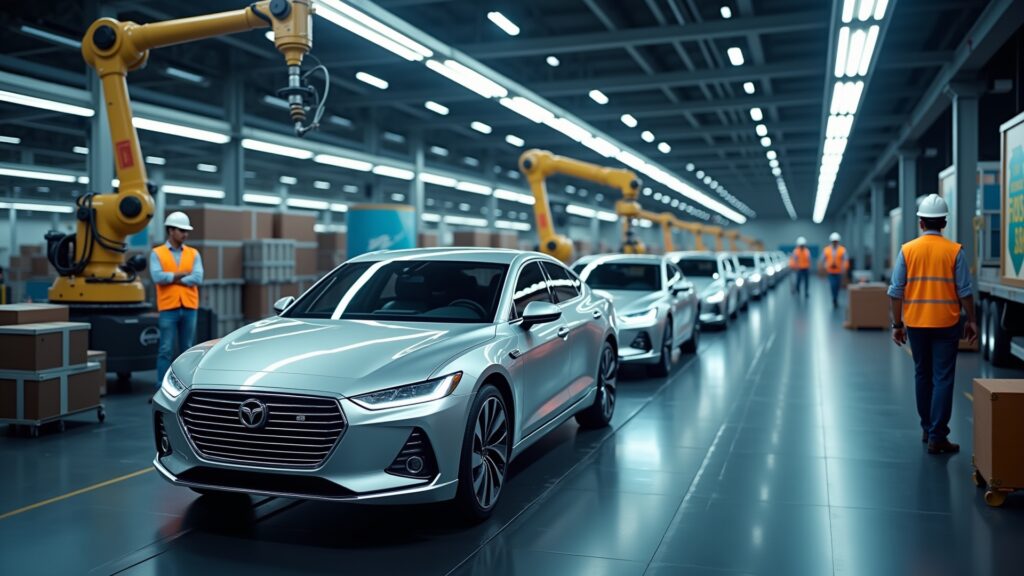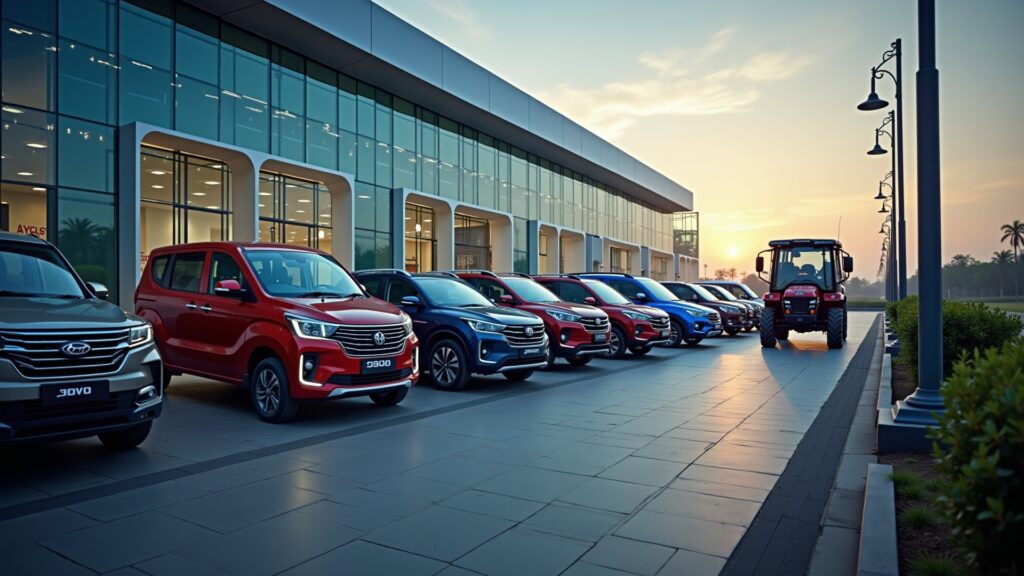











The ongoing West Asia conflict is reshaping the strategic landscape for India’s automotive industry. As you navigate your business through increasingly volatile global markets, understanding how this geopolitical upheaval impacts your supply chains, manufacturing plans, export strategies, and investment outlook is vital. This isn’t just about regional instability; it’s a call to recalibrate how you manage risk, localisation, and global competitiveness within your automotive ecosystem.
Why This Matters to You
India’s auto industry stands at a geopolitical crossroads. Whether you are an OEM leader, an auto component supplier, or an investor, the ripple effects of conflict in West Asia can disrupt your operational efficiency and strategic growth pathways. Rising raw material costs, shipping route challenges, and geopolitical risks mean that if you fail to anticipate and adapt, your margins, market access, and long-term sustainability could all be at stake.
What Is Happening
West Asia’s role as a critical energy corridor and supplier of essential raw materials is under threat from intensifying conflict. The volatility in this region drives sharp fluctuations in oil prices and jeopardizes global shipping lanes vital for Indian automotive exports. These disruptions are compounded by uncertainties around sanctions, insurance costs, and currency risks, creating an environment where supply chain predictability becomes elusive.
The Business and Automotive Impact
For the automotive industry in India, the conflict translates into tangible challenges and strategic hurdles:
- Supply Chain Volatility: Your access to raw materials, particularly those tied to energy and specialty components, faces risk of interruption and price inflation.
- Export Competitiveness: Unreliable shipping through West Asia’s critical routes threatens delivery schedules, impacting your ability to meet export commitments to GCC, African, and European markets.
- Investment Uncertainty: Fluctuating geopolitical conditions increase risk premiums, forcing you to reassess investment and sourcing strategies to buffer against prolonged volatility.
- EV Transition Delays: As you push towards electric vehicle (EV) and hybrid manufacturing, rising energy costs and input scarcity could slow localisation and scale-up efforts.
Strategic Insights and Deeper Analysis
The West Asia conflict is not merely a disruption but a fulcrum prompting you to rethink operational and strategic priorities. Deepening localisation of your supply chain is no longer optional; it is a strategic imperative to mitigate exposure to external shocks. Strengthening alternate logistics corridors—beyond traditional sea routes passing through conflict zones—is critical for safeguarding supply continuity and export flows.
Moreover, investing in software-defined vehicle technologies and domestic battery manufacturing capabilities can enhance control over your product lifecycle, reducing dependency on unpredictable external suppliers. Digital supply chain management becomes a key enabler not just for efficiency, but for dynamic risk mitigation and responsiveness.
“In the automobile industry, speed is valuable — but strategic timing creates lasting advantage.”
“The real edge is not only in building vehicles, but in controlling the technology, supply chain, and customer experience behind them.”
Practical Takeaways for Auto Industry Leaders
- Accelerate localisation of critical components and raw material sourcing to reduce vulnerability.
- Develop contingency logistics plans leveraging alternative trade routes and partnerships in stable regions.
- Enhance investment in domestic battery production and EV infrastructure to sustain your transition goals despite external cost pressures.
- Adopt advanced digital tools for supply chain visibility and agile risk management.
- Engage with policymakers to advocate for infrastructure support and trade facilitation that strengthen India’s status as a manufacturing and export hub.
Risks and Cautions Ahead
You must watch for prolonged volatility in oil prices which can squeeze profitability, currency fluctuations that impact cross-border cost structures, and potential sanctions or trade disruptions that could suddenly restrict your sourcing or export pathways. These risks underline the importance of flexible strategies and diversified investments.
What You Should Monitor Next
Keep a close eye on evolving geopolitical developments in West Asia and their impact on global shipping lanes and energy markets. Track policy shifts in India regarding automotive localisation incentives, export support mechanisms, and EV infrastructure development. Stay alert to emerging technology trends that could reduce reliance on vulnerable supply chains, such as in-house battery tech or software-defined vehicle platforms.
Conclusion
The West Asia conflict impact on India auto industry is a strategic crossroads that demands your immediate and long-term attention. By proactively enhancing supply chain resilience, diversifying risk exposure, and investing in domestic manufacturing and innovation, you position your business not just to survive this storm, but to emerge stronger and more globally competitive. This is a pivotal moment to embed strategic foresight into your growth and operational playbook, ensuring your leadership in an increasingly complex global automotive landscape.
“When manufacturing strength, policy clarity, and market demand align, automotive growth becomes far more scalable.”