











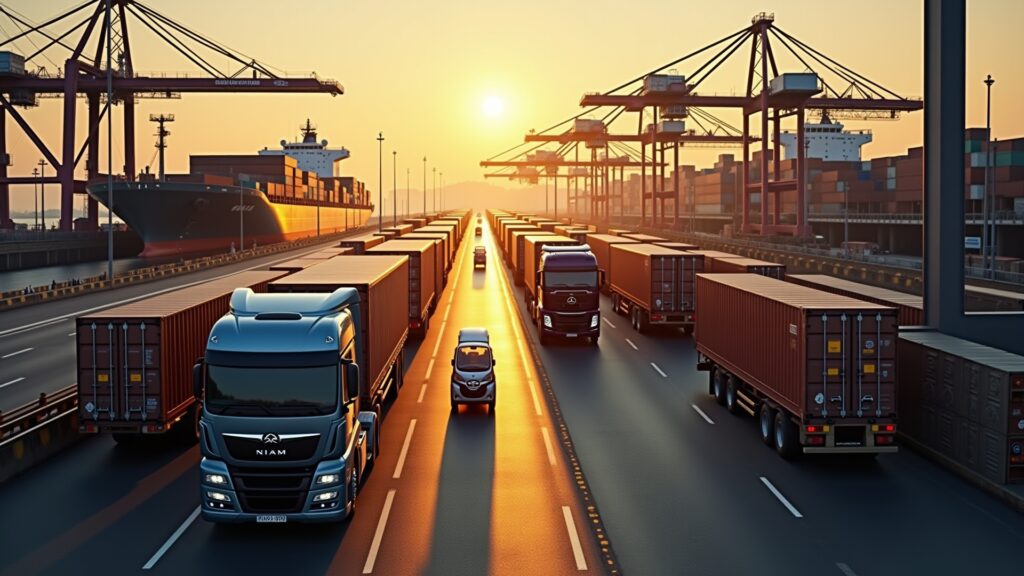
The unfolding conflict in West Asia is not just a geopolitical headline—it’s a critical development that demands your immediate attention if you are involved in India’s automotive business ecosystem. Whether you are an OEM leader, supplier, investor, or policymaker, the reverberations from this regional instability have the potential to realign the contours of India’s automotive supply chains and export strategies, impacting your decisions and growth trajectories.
Why the West Asia Conflict Matters to You
West Asia is a pivotal trade corridor integral to India’s automotive sector, not only as a market but also as a transit hub for exports and a source for raw materials and components. For your business, this means the risk of increased logistics costs, shipment delays, and supply disruptions that threaten profitability and competitive positioning. The conflict intensifies existing vulnerabilities in global supply chains—already stressed by pandemic aftershocks and broader geopolitical tensions—compelling you to rethink resilience, localisation, and market diversification strategies.
What Is Happening: The Core Industry Impact
The Indian automotive industry today faces complex operational risks stemming from the West Asia conflict. Disruptions in maritime routes could exacerbate freight volatility and insurance premiums, directly affecting cost structures for manufacturers and export margins for sellers. As West Asia functions both as an important export destination and transit point, delays and uncertainties are likely to cascade throughout the supply chain, affecting timely deliveries and client commitments worldwide.
Strategic Implications for India’s Automotive Supply Chains
Your supply chain’s stability hinges on the availability of critical raw materials, semi-finished goods, and technology inputs sourced or routed through West Asia. This conflict underscores the strategic imperative to accelerate localisation. By fostering deeper supplier ecosystem development within India, your operations can gain buffer capacity against international shocks.
Investing in robust supplier relationships and advancing indigenous manufacturing capabilities will not only contain risk but also enhance the benchmark for India as a dependable automotive manufacturing hub. This shift aligns with national policies encouraging self-reliance and export competitiveness, setting the stage for greater resilience and market agility.
Export Strategy Under Geopolitical Pressure
Your export ambitions, especially in West Asia, now require recalibration. The region’s instability elevates transit risks, insurance costs, and regulatory scrutiny, complicating existing market access and logistics. This calls for a strategic diversification of export routes and destinations to maintain your international trade momentum.
Exploring partnerships beyond traditional corridors, leveraging free trade agreements, and investing in alternative port infrastructure could help you hedge against prolonged disruptions and sustain India’s goal of becoming a global export powerhouse.
Leadership and Policy Must Evolve
Strategic leadership at corporate and policy levels is critical as you navigate these turbulent waters. Integrating comprehensive geopolitical risk assessments into your supply chain and investment planning will help you anticipate and mitigate shocks proactively. Governments can play an enabling role by accelerating infrastructure development that enhances connectivity with diversified global markets and supporting sectors pivotal to the future, such as electric vehicles and advanced components.
“In the automobile industry, speed is valuable — but strategic timing creates lasting advantage.”
“The real edge is not only in building vehicles, but in controlling the technology, supply chain, and customer experience behind them.”
Looking Ahead: Building Long-Term Competitiveness
The West Asia conflict is both a cautionary tale and a catalyst for transformation. As you address immediate operational risks, you have the opportunity to reinforce your supply chain resilience, drive deeper localisation, and broaden your export footprint strategically.
This dual approach will be fundamental in sustaining profitability and competitive edge in an automotive landscape that demands agility and foresight. Consider this a call to action to refine your strategic frameworks, invest in manufacturing excellence, and innovate your export and supply chain models.
Practical Takeaways for Auto Industry Leaders and Stakeholders
- Prioritize localisation initiatives to reduce reliance on volatile international supply routes.
- Diversify export markets and explore alternative logistics corridors to mitigate transit risks.
- Embed geopolitical risk assessments into all supply chain and investment decisions.
- Collaborate with policy bodies to leverage infrastructure projects that enhance global trade connectivity.
- Invest in building a robust supplier ecosystem aligned with India’s competitive manufacturing landscape.
- Monitor developments in West Asia closely to adjust strategies in real-time.
Risks and Challenges on the Horizon
While you strategize, remain mindful that prolonged conflict could inflate costs beyond short-term forecasts and destabilize market sentiment. Supply chain diversification demands time and capital, requiring patient but decisive leadership. Additionally, shifting trade routes and partnerships must align with regulatory compliances and bilateral relations, a complex terrain demanding nuanced management.
“When manufacturing strength, policy clarity, and market demand align, automotive growth becomes far more scalable.”
What You Should Watch Next
- Developments in West Asia conflict resolution or escalation impacting maritime and air freight.
- Government policy updates on localisation incentives and export promotion in the automotive sector.
- Shifts in insurance and freight cost structures linked to geopolitical risk.
- Emergence of new trade partnerships and infrastructure projects enhancing India’s global market connectivity.
Conclusion
The West Asia conflict impact on Indian auto supply chains presents a complex challenge but equally a strategic inflection point. For you, as a leader in this space, it is essential to harness this moment for agility, resilience, and visionary transformation. Navigating these disruptions with a clear focus on localisation, export diversification, and strategic foresight will be the cornerstone of sustaining India’s position as a premier automotive manufacturing and export hub on the world stage.