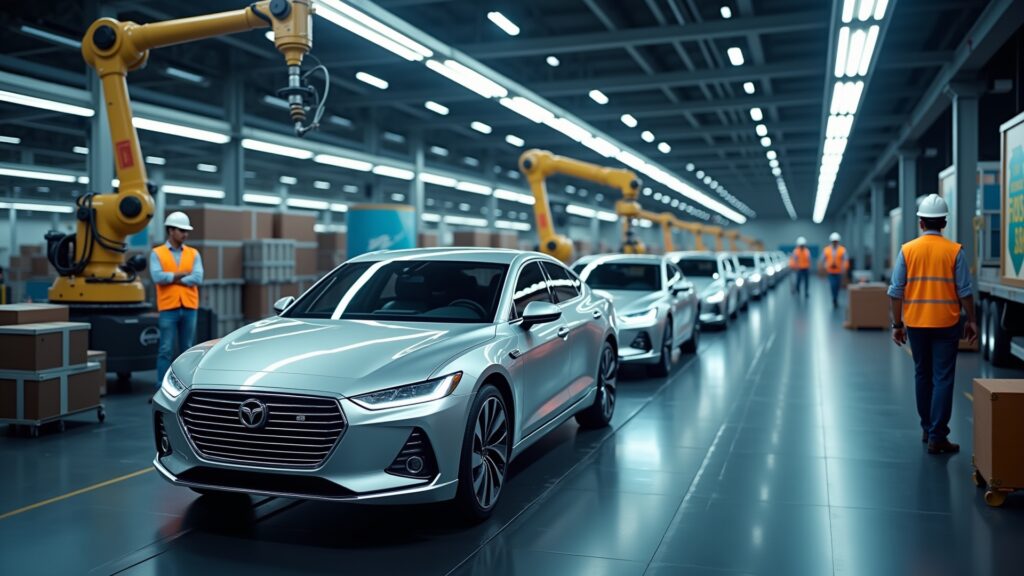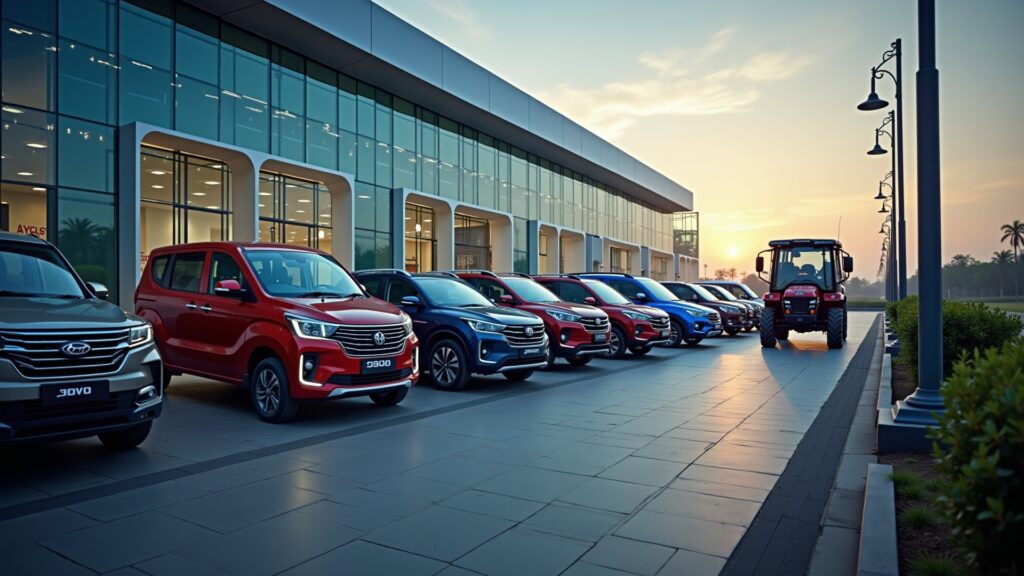









The West Asia crisis is not just a geopolitical headline—it’s a pivotal development that demands your immediate attention if you are steering India’s automotive business. As the region increasingly serves as a vital transit corridor and supplier hub for automotive raw materials and components, any disruption reverberates through your supply chains and export networks. In a fiercely competitive global landscape, this is a shift you cannot afford to ignore.
Why This Crisis Should Matter Deeply to You
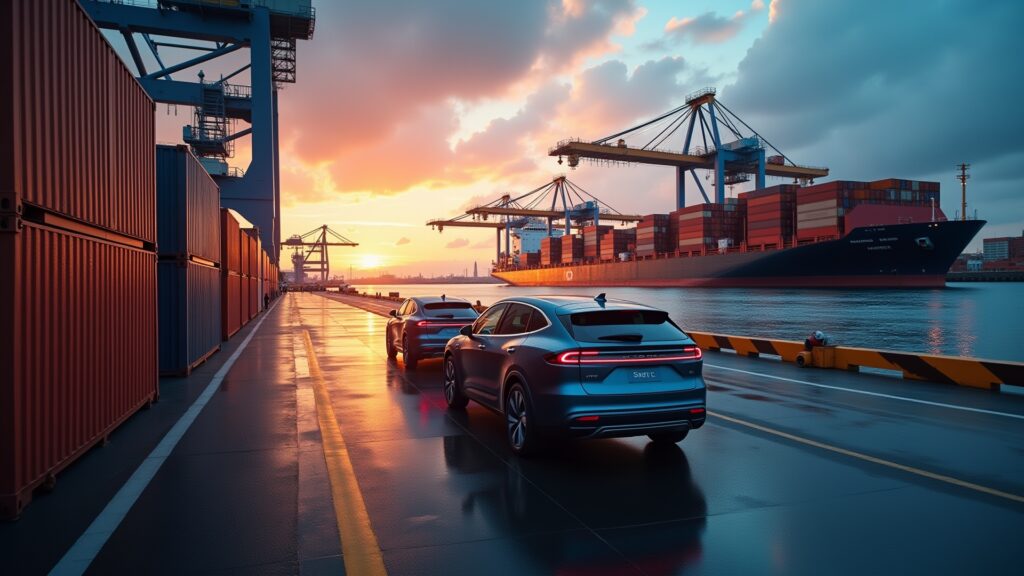
Your role as an automotive leader, supplier, investor, or policy-maker hinges on ensuring the resilience and growth of India’s auto sector. The West Asia tensions threaten to unsettle logistical routes that facilitate the smooth flow of parts, raw materials, and finished vehicles from India to critical export destinations such as the Middle East and Africa. For you, this spells not just operational headaches but strategic challenges affecting profitability, market share, and India’s stature as a global manufacturing and export hub.
Understanding the Dynamics: What Is Happening?
West Asia’s geopolitical instability intensifies freight volatility and elevates transit costs. Your production lines—especially those involving electric vehicles (EVs), hybrids, and internal combustion engine variants—rely on inputs frequently transported through West Asia or sourced from nearby production clusters. This complex web of supply and export channels is now under stress, pressuring automotive OEMs and component manufacturers to rethink and recalibrate their strategies.
Strategic Impact on Your Business
The ripple effects extend beyond mere logistics headaches:
- Supply Chain Vulnerabilities: Your existing supplier relationships may expose your operations to risk if concentrated on West Asia transit routes or suppliers.
- Export Competitiveness: Delays and inflated costs could erode India’s competitive advantage in priority export markets, threatening your growth trajectories.
- Localisation Imperatives: This crisis accelerates the strategic urgency to increase localisation—an opportunity for you to strengthen domestic supplier ecosystems and reduce external dependencies.
- Technology Adoption: AI-driven supply chain visibility and predictive analytics become more than a choice; they’re essential tools for navigating uncertainty.
Deeper Insights: What This Means For India’s Automotive Ecosystem
India’s ambition of becoming a global automotive export powerhouse is at a crossroads. The unfolding situation forces a shift from reactive measures to proactive, strategic transformations:
- Diversifying Supply and Transit Routes: To shield yourself from region-specific shocks, expanding sourcing and logistics beyond West Asia corridors is critical.
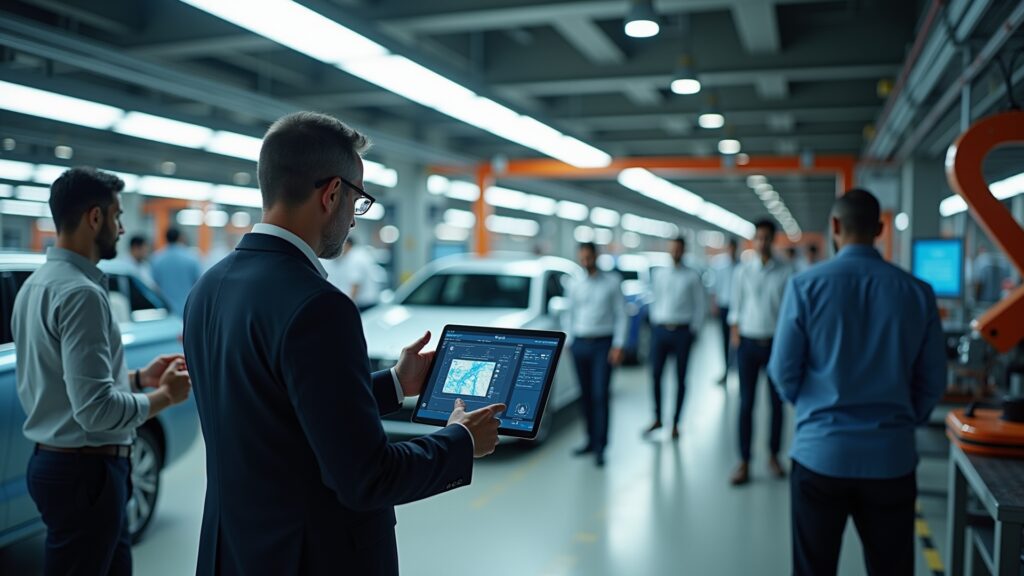
- Integrating AI and Digital Tools: Investing in advanced analytics lets you anticipate disruptions and manage inventory dynamically, securing production continuity and export timelines.
- Policy and Industry Collaboration: Engaging with policymakers to develop agile trade facilitation frameworks and alternative routes will safeguard your export channels.
- EV and Hybrid Supply Chains: As EV penetration climbs, securing stable supplies of key components and raw materials—often routed through or sourced near West Asia—will shape your competitive positioning.
“In the automobile industry, speed is valuable — but strategic timing creates lasting advantage.”
“The real edge is not only in building vehicles, but in controlling the technology, supply chain, and customer experience behind them.”
Practical Takeaways: What Should You Do Now?
- Map Your Supply Chain Exposure: Identification of dependencies linked to West Asia must be your first step to formulate contingency plans.
- Accelerate Localisation Efforts: Increasing domestic sourcing reduces risk and enhances margin control amidst global volatility.
- Invest in Digital Supply Chain Tools: Adopt AI-led supply chain management solutions for real-time visibility and predictive risk mitigation.
- Liaise with Policymakers: Advocate for strategic trade policies and infrastructure that support alternative export routes and logistics efficiencies.
- Explore Market Diversification: Strengthen ties with markets beyond traditional corridors to buffer export revenue streams.
Risks and Challenges Ahead
While these strategies can bolster resilience, you face notable challenges. Increasing localisation requires upfront investment and supplier ecosystem development that takes time to mature. Shifting export routes or supply chains may involve higher costs or logistical complexities initially. Moreover, the geopolitical situation remains fluid, requiring continuous vigilance and agile decision-making to avoid operational disruptions.
Watching the Horizon: What to Monitor Next
Stay alert to evolving diplomatic developments in West Asia that impact trade conditions. Track shifts in freight rates and port congestion that could affect cost structures and delivery timelines. Keep abreast of government policy adjustments, incentives around localisation and EV component manufacturing, and emerging technologies enhancing supply chain agility. Your ability to adapt to these signals will determine your competitive edge.
Conclusion: Securing India’s Automotive Future Amid Crisis
The West Asia crisis is a wake-up call compelling you to rethink export and supply chain strategies with a laser focus on resilience, diversification, and innovation. By acting decisively—leveraging technology, deepening localisation, and fostering collaborative policy engagement—you can not only mitigate immediate risks but also position your enterprise and India’s auto industry to thrive in a rapidly transforming global market. The challenge is clear: evolve your supply chain and export strategies now, or risk losing ground to more agile competitors in the worldwide race toward electrification and sustainable mobility.
“When manufacturing strength, policy clarity, and market demand align, automotive growth becomes far more scalable.”