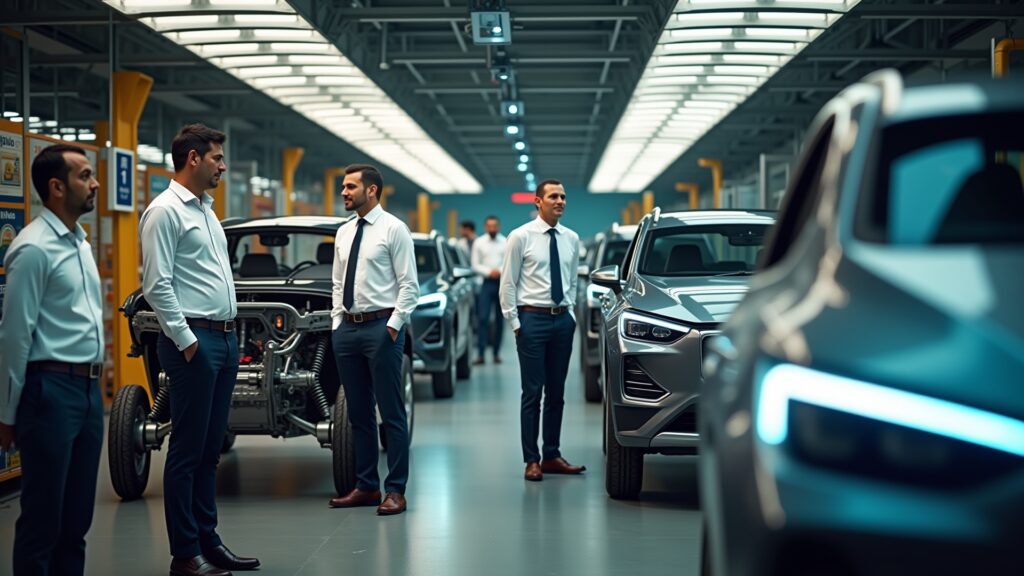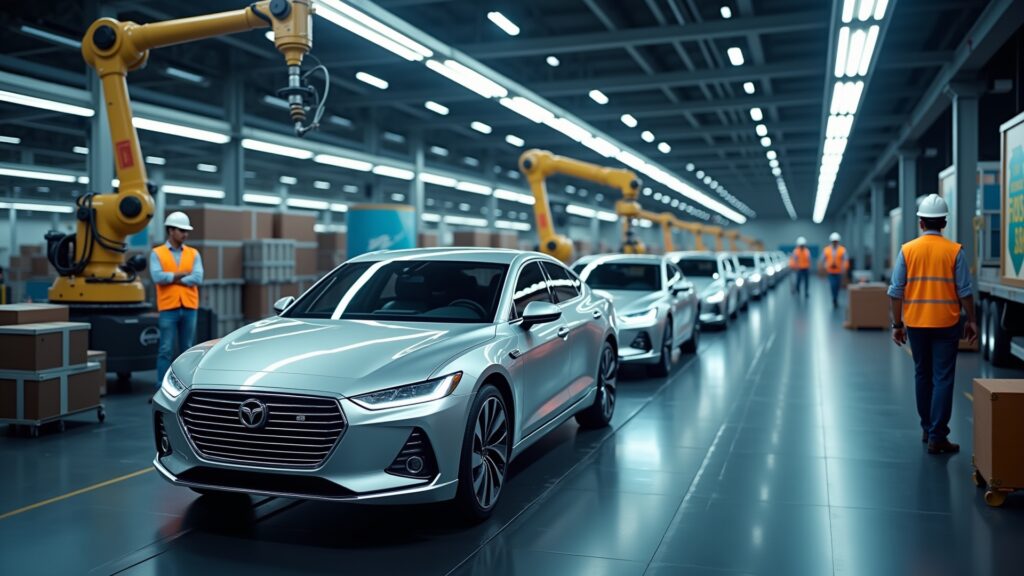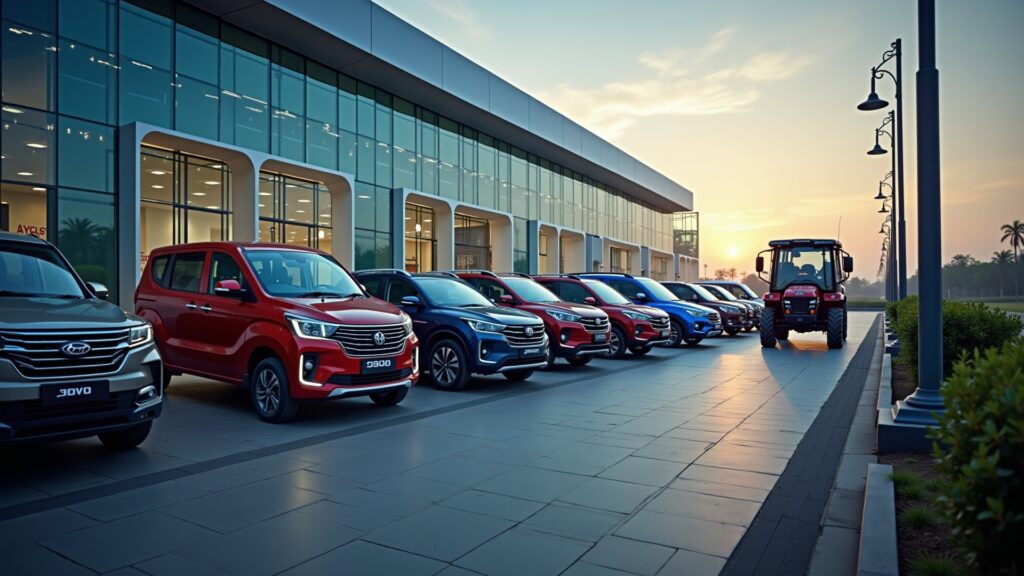






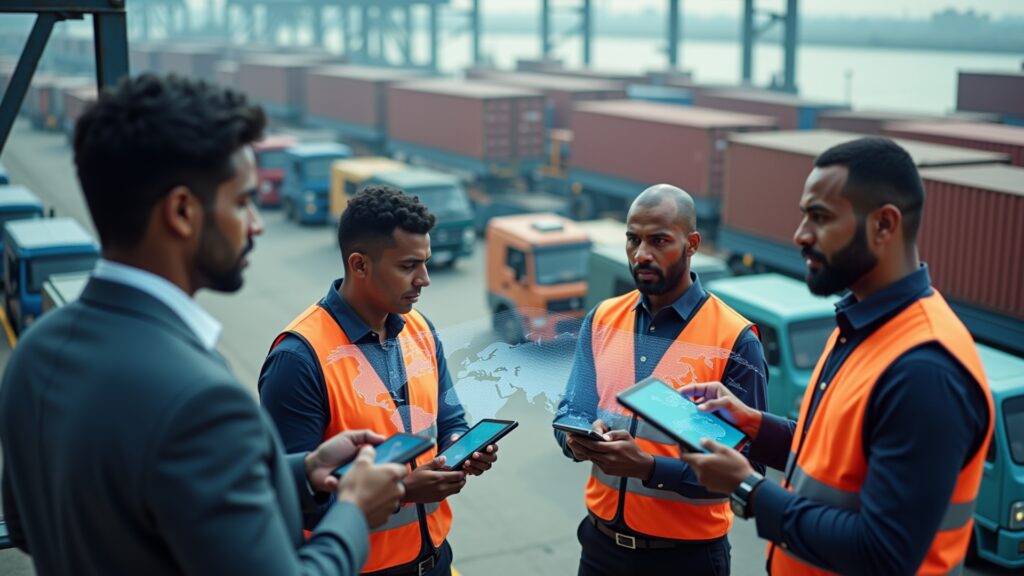
As geopolitical tensions escalate in West Asia, you, as a stakeholder in the Indian automotive industry, confront a critical juncture that demands your immediate attention. The automotive sector, increasingly interconnected and reliant on global sourcing, especially for crucial components in electric and hybrid vehicles, now faces tangible supply chain risks that could challenge your production plans, operational continuity, and strategic growth ambitions.
Why This Matters to You
Your role in steering a company within India’s automotive ecosystem — whether as an OEM leader, auto component manufacturer, investor, or policy influencer — means you must comprehend how West Asia tensions might disrupt vital supply lines. These disruptions could raise costs, delay production schedules, and impact customer deliveries, eroding your competitive edge in a market that is rapidly evolving towards electrification and self-reliance. Understanding this environment is crucial for robust decision-making, risk mitigation, and harnessing emerging opportunities in localization and supply chain innovation.
What Is Happening
Recent geopolitical instability in West Asia has introduced fresh uncertainty in the global supply chain for raw materials and components essential to the automotive sector. The region’s strategic importance as a supplier of energy and materials feeds directly into the manufacturing ecosystem that supports both traditional and electric vehicle segments. For instance, Honda Motorcycle & Scooter India (HMSI) is actively recalibrating production to counteract potential supply bottlenecks, demonstrating a proactive approach to the unfolding challenges.
Strategic Implications for Your Business and the Indian Automotive Landscape
As you evaluate your supply chain strategy, factor in the intensified need for supplier diversification and more aggressive localization. Companies anchored in West Asia face unpredictable risks; therefore, alternative sourcing pathways and local manufacturing become not just strategic, but imperative. This shift aligns perfectly with India’s ambition to dominate as a global automotive manufacturing and export powerhouse.
Localization as Your Strategic Lever
Localization serves you by securing supply stability and reducing costs, shielding your operations from geopolitical shocks while enhancing operational predictability. Beyond cost-efficiency, localization supports regulatory compliance and taps into government incentives aimed at self-reliance—an increasingly critical posture as India advances its EV and hybrid vehicle ambitions.
Market and Operational Outlook: Navigate Uncertainty with Agility
Industry forecasts for March sales reveal cautious optimism, but these projections hinge heavily on your ability to manage supply chain fluidity. HMSI’s strategic shift in production planning stands as a benchmark; by balancing demand with resource constraints, they exemplify how you must be agile in managing component complexities inherent to EVs and hybrids.
Strategic Analysis: Building Resilience Beyond Today’s Crisis
In the face of these geopolitical supply chain risks, your mandate extends beyond immediate damage control. Digital transformation of supply chain management, investment in collaborative supplier platforms, and embedding risk management into your production strategy will define your resilience. This multifaceted approach catalyzes a competitive advantage, positioning you well to not only survive shocks but to thrive as a strategic node in global automotive supply networks.
“In the automobile industry, speed is valuable — but strategic timing creates lasting advantage.”
“The real edge is not only in building vehicles, but in controlling the technology, supply chain, and customer experience behind them.”
Practical Takeaways for Your Leadership
- Analyze your current supplier network for overreliance on geopolitically sensitive regions and seek credible alternate sources.
- Accelerate localization initiatives for critical components, especially in EV batteries and specialized auto parts.
- Invest in digital supply chain tools that offer real-time insights and predictive risk management capabilities.
- Foster strong, collaborative relationships with suppliers to secure priority access during shortages.
- Keep a close watch on government policies and incentives supporting Make in India and export ambitions, aligning your strategy accordingly.
Risks and Challenges You Must Monitor
While localization offers stability, it requires significant capital investment and time to scale. Additionally, transitioning supply chains can introduce operational disruptions if not managed carefully. Price volatility for raw materials sourced from global markets, fluctuating energy costs, and regulatory changes linked to geopolitical events remain persistent challenges that you must factor into your risk frameworks.
What You Should Watch Next
Monitor developments in West Asia closely as they evolve, especially how they impact energy prices and raw material availability. Keep abreast of government updates on supply chain and export policies that may provide new incentives or restrictions. Observe the moves by key Indian OEMs and suppliers, such as HMSI, to benchmark adaptive production and sourcing strategies. Emerging technologies in supply chain digitization could also redefine your operational playbook.
Conclusion: Navigating Supply Chain Risks Amid West Asia Tensions
As West Asia tensions cast a shadow over automotive supply chains, your strategic focus must prioritize resilience through supply chain diversification, accelerated localization, and digital innovation. These steps will not only safeguard your production against geopolitical shocks but also strengthen India’s position as a resilient automotive manufacturing hub. Embracing this challenge with foresight and agility will empower you to convert risk into opportunity while sustaining growth in an increasingly complex global market.
“When manufacturing strength, policy clarity, and market demand align, automotive growth becomes far more scalable.”