







As you navigate the evolving contours of the global automotive landscape, understanding why Indian carmakers remain resolutely optimistic about electric vehicle (EV) prospects in India is crucial. While other markets grapple with volatility and strategic recalibrations, the Indian EV sector offers you a compelling blueprint for strategic investment, innovation, and sustained growth.
Why This Matters to You
If you lead or invest in automotive enterprises, supplier networks, or mobility ventures, the Indian EV market’s distinct trajectory demands your attention. It is not just about capturing a promising consumer base; it is about leveraging India’s unique policy environment, localisation momentum, and export potential to secure long-term competitive advantage in the global EV ecosystem. Your decisions today on capacity, partnerships, and technology could define your foothold in the world’s next major EV hub.
What Is Happening in India’s EV Market
Globally, electric mobility investments are experiencing a moment of pause, with write-offs and market corrections signaling growing pains in the transition. Yet, Indian carmakers are charting a counter-narrative. Through aggressive capacity expansions, comprehensive localisation strategies, and alignment with government policies like the Production Linked Incentive (PLI) schemes and Battery Swapping initiatives, India’s OEMs are positioning themselves not just to serve domestic demand but also to become key players in global EV supply chains.
The two- and three-wheeler segments in India, critical to urban mobility, are gaining rapid traction, supported by consumer interest and infrastructure development. This creates a multifaceted growth environment that extends beyond mere vehicle sales into manufacturing innovation, component sourcing, and aftermarket ecosystem building.
Key Business and Market Impact
For you as a business leader or investor, India’s EV story is layered with strategic implications:
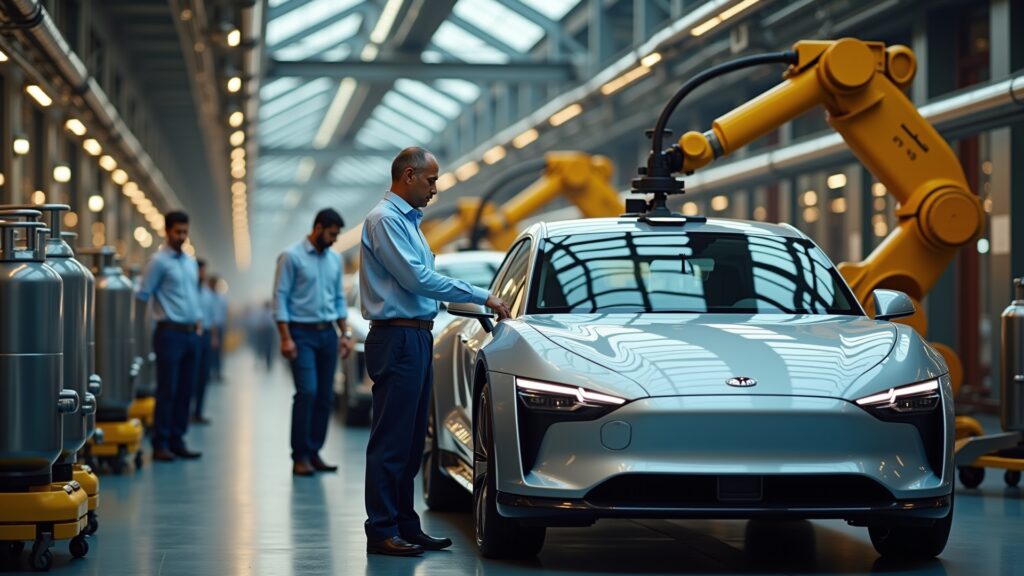
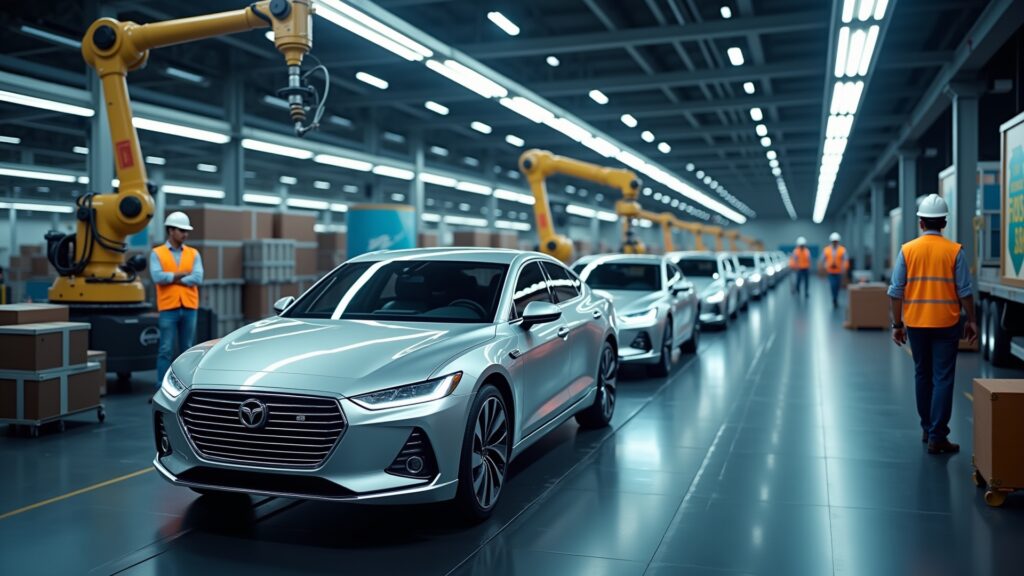
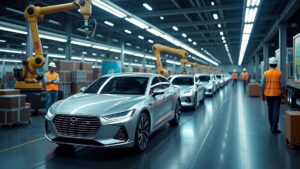
- Manufacturing and localisation: The rising localisation of key EV components reduces dependency on volatile global supply chains, directly impacting cost structures and delivery timelines.
- Policy and incentives: Support from schemes such as the PLI and favourable export policies enhances profitability while driving scale.
- Export potential: India is emerging as a manufacturing hub not just for domestic consumption but as a competitive export base for EVs and components, challenging traditional global players.
- Supplier ecosystem: Growing demand in battery technologies, power electronics, and software-defined vehicle systems provides significant entry and growth opportunities for component manufacturers and tech providers.
Strategic Analysis: What Drives Indian OEMs’ Bullishness
Indian OEMs understand that their market is not a replica of Western or Chinese conditions. Instead, it’s a hybrid opportunity combining nascent consumer demand with government-led localisation and infrastructure growth. This allows you as a stakeholder to assess investments not only for short-term returns but for creating integrated value chains that enhance market resilience.
“In the automobile industry, speed is valuable — but strategic timing creates lasting advantage.”
Investing in R&D, battery ecosystems, and software-enabled features tailored to Indian consumers lets OEMs differentiate themselves. Additionally, their ability to scale manufacturing aligned with export ambitions underlines a robust global competitiveness strategy.
Practical Takeaways for Auto Industry Leaders and Investors
- Monitor regulatory shifts closely, especially localisation norms and export incentives, which directly affect your operational efficiency and margins.
- Invest in technology partnerships and supplier development to capitalize on the growing demand for advanced battery and software solutions.
- Align product portfolios with urban mobility trends—particularly two- and three-wheelers—which dominate Indian EV sales.
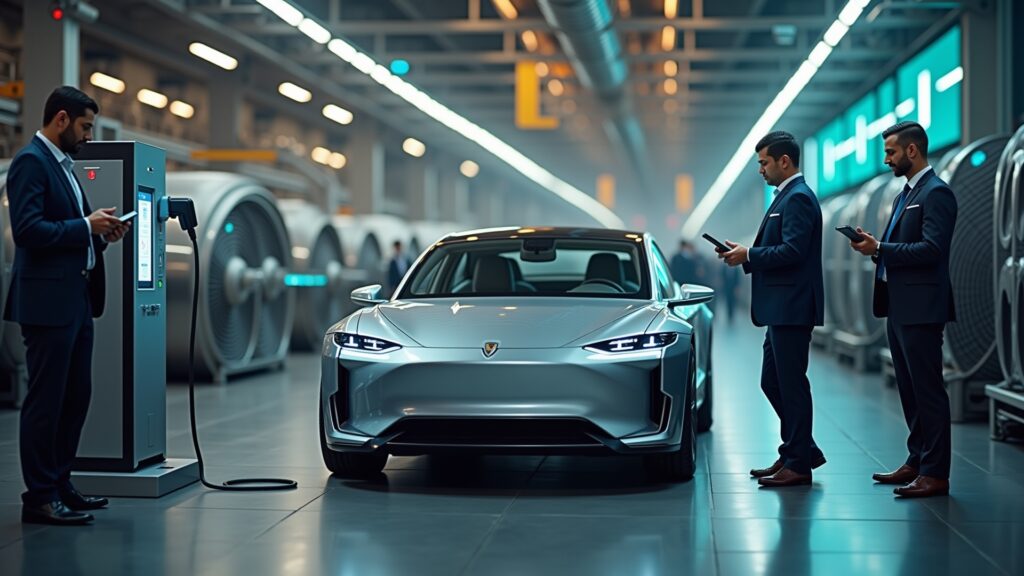
- Explore opportunities in battery swapping and infrastructure development to enhance customer acceptance and operational flexibility.
- Consider India not only as a market but as a strategic manufacturing and export hub for your global EV ambitions.
Expert Perspective
“The real edge is not only in building vehicles, but in controlling the technology, supply chain, and customer experience behind them.”
“When manufacturing strength, policy clarity, and market demand align, automotive growth becomes far more scalable.”
Risks and Challenges to Keep in Mind
Despite promising momentum, you must remain vigilant about potential obstacles such as infrastructure gaps in charging networks, talent acquisition for EV-specific skills, evolving regulatory frameworks, and the global supply chain uncertainties that could impact component availability.
Moreover, the quality and safety expectations of increasing consumer bases will require sustained investments in product reliability and after-sales support to maintain trust and market share.
What You Should Watch Next
Keep a close eye on policy refinements related to battery technology standards, export facilitation, and battery swapping ecosystem development. Watch how the localisation push unfolds amidst global supply chain realignments and how Indian OEMs navigate scaling R&D to meet evolving consumer and export demands.
Technological innovation in connected, software-defined vehicles will also be a critical frontier where early movers today could establish leadership tomorrow.
Conclusion: Positioning for Sustainable Leadership in Electric Mobility
In your strategic playbook, the bullish EV prospects in India reflect more than local enthusiasm—they represent a calculated, multi-dimensional bet on a market primed by policy, production capability, and innovation focus. As others recalibrate their global EV strategies amidst uncertainty, India’s automotive leaders are driving a transition that blends localisation with global competitiveness.
By recognizing these dynamics, you can harness India’s evolving ecosystem not only to capture a significant share of domestic demand but to actively participate in shaping the global electric mobility future—turning challenges into compelling business opportunities.
“The EV transition is not solely about making green vehicles; it’s about forging resilient, innovation-led ecosystems that stand the test of shifting global currents.”