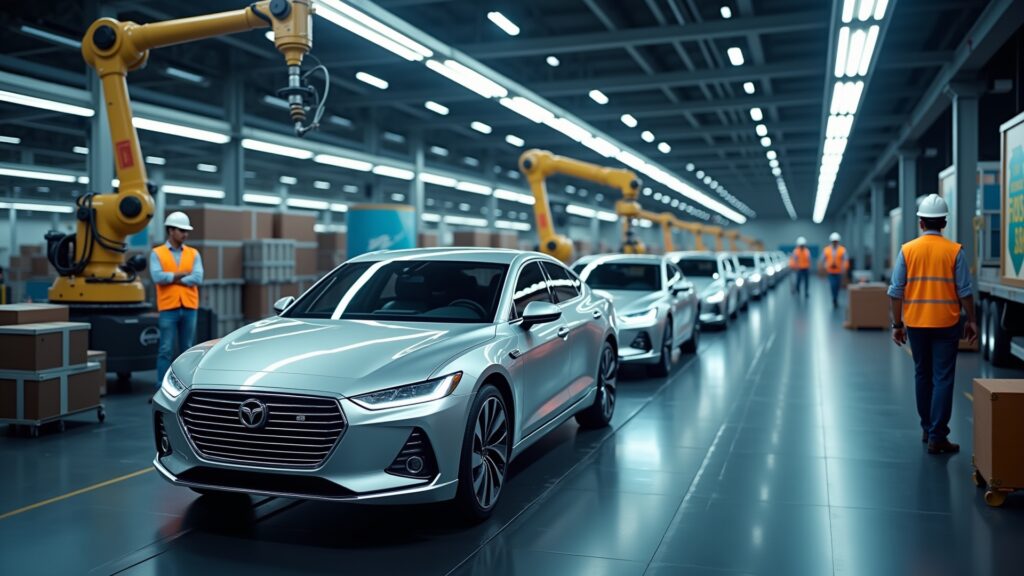


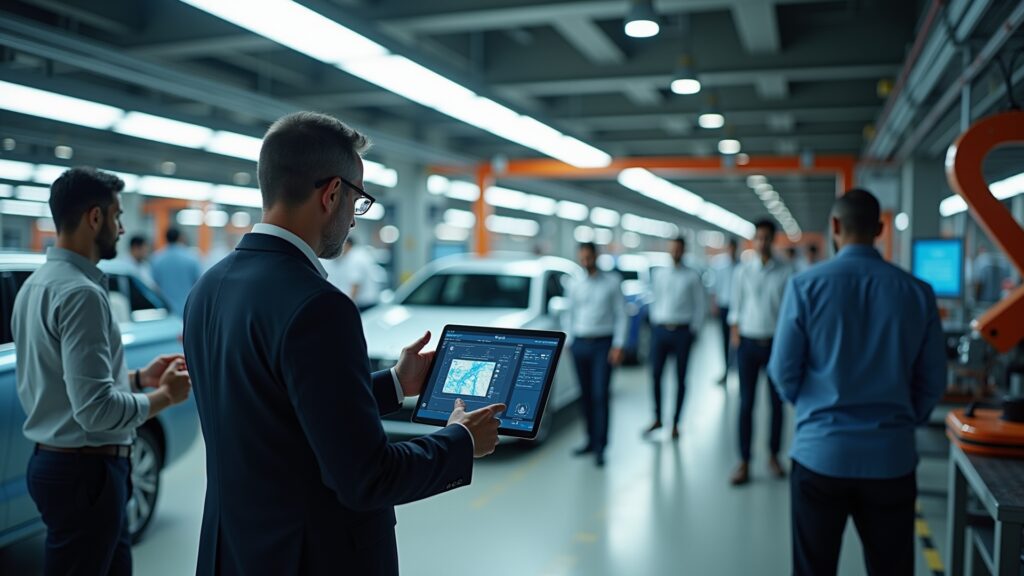










Over the evolving landscape of automotive manufacturing, implementing a digital twin strategy has become important for original equipment manufacturers (OEMs). This approach enables you to create a virtual replica of your vehicles, allowing for real-time data analysis, predictive maintenance, and enhanced design processes. By leveraging digital twins, you can optimize production efficiency, improve customer experience, and stay ahead of competition in a rapidly changing market. Embracing this technology is not just an option; it’s a vital step toward future-proofing your operations and ensuring long-term success.
Key Takeaways:
- Digital twins enable real-time data analysis, improving vehicle performance and reliability.
- Implementing a digital twin strategy enhances product development cycles and accelerates time-to-market.
- Utilizing digital twins fosters better collaboration across teams and enhances customer experience through tailored services.
Understanding Digital Twin Technology
Definition and Concept
Digital twin technology refers to the creation of a virtual replica of a physical vehicle, capturing its attributes, dynamics, and behaviors in real-time. This digital counterpart enables you to analyze performance, monitor conditions, and facilitate predictive maintenance, transforming how you approach design and vehicle lifecycle management. By leveraging data from sensors, simulations, and historical performance, the digital twin becomes an crucial tool for OEMs to enhance product offerings and operational efficiency.
Benefits of Digital Twins for OEMs
Implementing a digital twin strategy fosters innovation, reduces costs, and enhances customer satisfaction for OEMs. With real-time insights into vehicle performance, you can proactively address issues, optimize designs, and accelerate the development cycle. The integration of this technology allows for better resource management and supports data-driven decision-making, ultimately leading to improved safety and reliability in your vehicles.
The ability to simulate various scenarios through a digital twin not only aids in refining design processes but also optimizes production techniques. For instance, OEMs utilizing digital twins can conduct virtual crash tests, significantly reducing costs associated with physical prototypes. By capturing and analyzing operational data, you can tailor maintenance schedules to specific customer usage patterns, enhancing service offerings and extending vehicle lifespans. This level of customization and efficiency translates to substantial competitive advantages in the automotive industry.
The Role of Digital Twins in Vehicle Development
Digital twins serve as transformative tools in vehicle development by enabling real-time data analysis and feedback from physical prototypes, enhancing design accuracy and performance predictions. This virtual representation allows OEMs to conduct extensive testing scenarios, facilitating faster iteration cycles and improved decision-making throughout the development process.
Simulation and Prototyping
Utilizing digital twins for simulation and prototyping significantly decreases development time and costs. You can conduct virtual testing on various aspects, such as materials, aerodynamics, and performance, before building physical prototypes. This preventative measure helps identify flaws early, allowing for design adjustments that lead to more efficient and reliable vehicles.
Enhanced Collaboration Across Teams
Digital twins foster enhanced collaboration across teams by providing a unified platform for sharing insights, models, and data. You can link engineering, design, and manufacturing departments seamlessly, ensuring everyone works with the same information. This shared understanding prevents miscommunication, which often leads to costly delays and errors during the vehicle development process.
The integrated nature of digital twins enables real-time updates, so your design team can instantly communicate changes or discoveries to manufacturing and quality assurance groups. For instance, if a design modification improves efficiency, all stakeholders can adapt their processes accordingly without lengthy meetings or revisions. This cohesive approach not only accelerates development timelines but also cultivates a culture of continuous improvement, empowering teams to deliver high-quality vehicles more effectively while mitigating risks associated with traditional silos. As a result, your organization benefits from increased agility and responsiveness to market changes or customer feedback.
Optimizing Production and Operations
Digital twins give you the ability to enhance production and operational efficiency significantly. By simulating manufacturing scenarios, you can identify bottlenecks and inefficiencies before they occur, which leads to improved quality control and shortened production cycles. This results in reduced costs and better resource management, allowing you to respond swiftly to market demands.
Streamlining Manufacturing Processes
With a digital twin strategy, you can streamline manufacturing processes by creating a virtual environment that mirrors your physical operations. This allows you to test different configurations and workflows in real-time without disrupting actual production. As a result, you can optimize layouts, minimize waste, and increase overall output efficiency.
Predictive Maintenance and Asset Management
By leveraging digital twin technology, predictive maintenance becomes more achievable. You can monitor vehicle systems continuously, evaluating performance data to foresee failures before they happen. This proactive approach not only extends the lifespan of your assets but also significantly reduces downtime and repair costs, ensuring smoother operations.
Utilizing predictive maintenance fueled by digital twins enhances your asset management significantly. Through real-time data analysis, you can track the health and performance of various components in your manufacturing line, pinpointing when maintenance is necessary rather than relying on a fixed schedule. For example, a leading automotive manufacturer saw a 25% reduction in unexpected downtime after implementing this strategy, highlighting how timely interventions can keep production flowing and lower operational costs. This not only optimizes resource usage but also aligns maintenance practices with your operational goals, creating efficiency throughout your vehicle manufacturing process.
Enhancing Customer Experience
With the integration of digital twin technology, you can significantly elevate your customers’ experiences by offering tailored solutions and real-time insights. By leveraging data from virtual simulations, you can better understand user preferences and behaviors, ultimately leading to optimized interactions and services. This innovative approach transforms how customers engage with vehicles, making ownership more rewarding and enjoyable.
Personalized Vehicle Features
Digital twins facilitate the development of personalized vehicle features, customizing settings based on individual driver profiles and habits. By analyzing your driving patterns, preferences, and needs, the system can adjust everything from seat positioning to entertainment options, creating a unique driving experience tailored just for you.
Real-time Performance Monitoring
With real-time performance monitoring through digital twins, you can stay informed about your vehicle’s health and operational capabilities. This constant flow of information allows for proactive maintenance and immediate feedback, ensuring that you are aware of any issues before they escalate into larger problems.
Real-time performance monitoring utilizes a continuous stream of data collected from various sensors within your vehicle. For instance, companies like Tesla leverage this capability to not only track metrics such as battery life and tire pressure but also to update vehicle software instantly, applying enhancements or corrections as needed. This approach not only maximizes your vehicle’s efficiency and longevity but also improves safety by alerting you to potential failures before they become critical. Through personalized dashboards, you receive updates and suggestions, empowering you to make informed decisions about your vehicle’s maintenance and usage.
Strategic Implementation of Digital Twins
To effectively implement a digital twin strategy, you must align it with your organization’s overall objectives. This involves integrating data analytics, IoT sensors, and simulation technologies to create a cohesive digital representation of your vehicles. The strategy should encompass both the product development lifecycle and post-production phases, enabling real-time performance monitoring and predictive analytics that enhance decision-making throughout the vehicle’s life.
Steps for Developing a Digital Twin Strategy
Begin by assessing your existing data infrastructure and identifying gaps that may hinder your digital twin capabilities. Next, engage cross-functional teams to determine specific use cases, such as predictive maintenance or design optimization. Subsequently, invest in the necessary technology and tools while establishing a clear integration roadmap. Finally, prioritize establishing robust data governance to ensure high-quality data is leveraged for optimal digital twin effectiveness.
Challenges and Considerations
Be prepared to navigate various challenges when developing your digital twin strategy. These may include data privacy concerns, integration complexities with legacy systems, and the need for specialized talent to manage and analyze the data effectively. You should also consider the technological investment required and how it aligns with your long-term business strategy.
Transitioning to a digital twin framework can introduce various hurdles. Data integration from multiple sources may lead to inconsistencies, complicating real-time analytics. Moreover, ensuring data security against cyber threats is paramount, as digital twins require continuous data sharing across platforms. It’s important to invest in employee training to develop digital intuition and understanding of IoT technologies. Establishing a cross-functional team that includes IT, engineering, and analytics can help mitigate these challenges, leading to a more cohesive strategy and successful implementation of digital twins in your organization.
Case Studies of Successful Digital Twin Applications
Exploring successful applications of digital twins provides valuable insights into their impact and effectiveness across the automotive industry.
- Ford utilized digital twins to streamline production processes, achieving a 25% reduction in manufacturing times.
- BMW deployed digital twin technology for predictive maintenance, resulting in a 30% decrease in downtime and maintenance costs.
- Tesla implemented digital twins for real-time performance monitoring, leading to a 40% improvement in vehicle reliability metrics.
- General Motors created virtual simulations for new model testing, accelerating the design process by 50% while reducing costs by 20%.
Leading OEM Examples
Top OEMs are pioneering the use of digital twins, each showcasing unique advantages in operational efficiency and market responsiveness. Companies like Ford and BMW have demonstrated substantial cost reductions and productivity enhancements, motivating others in the industry to adopt similar strategies aimed at gaining a competitive advantage.
Lessons Learned and Best Practices
Successful implementations of digital twins highlight common themes that other OEMs can adopt. Aligning digital twin strategies with clear business goals, investing in robust data management frameworks, and fostering cross-functional team collaboration are critical components for success. Companies have found that continuous innovation and iterative development lead to more effective digital twin applications.
From examining these case studies, it becomes evident that creating a clear roadmap for digital twin integration is integral to realizing your objectives. Investing in data quality and security ensures that insights derived from digital twins are accurate and actionable. Additionally, maintaining flexibility to adapt to changing market demands allows you to maximize the potential of your digital twin strategy. Collaboration across departments enables knowledge sharing and accelerates implementation, ultimately driving the success of your digital twin initiatives.
Summing up
Presently, adopting a digital twin strategy for your vehicles positions you at the forefront of innovation in the automotive industry. By enabling real-time monitoring, predictive maintenance, and enhanced design processes, a digital twin empowers you to make informed decisions that optimize performance and customer satisfaction. Embracing this strategy not only streamlines your operations but also enhances your competitive edge in a rapidly evolving market. To remain relevant and successful, integrating a digital twin into your manufacturing and operational framework is important.
FAQ
Q: What is a digital twin strategy for OEMs?
A: A digital twin strategy involves creating a virtual model of a vehicle that mirrors its physical counterpart. This allows OEMs to analyze data, simulate performance, and predict maintenance needs throughout the vehicle’s lifecycle.
Q: How can a digital twin strategy improve vehicle design and development?
A: By utilizing a digital twin, OEMs can test new designs and configurations in a virtual environment, reducing physical prototyping costs and time. This enables faster iterations and allows teams to uncover potential issues before production, leading to more innovative and efficient vehicle designs.
Q: What role does data play in the effectiveness of a digital twin strategy?
A: Data is fundamental for the success of a digital twin strategy. Real-time data collection from vehicles helps refine the virtual model, enhances predictive analytics, and provides insights into consumer behavior, which ultimately supports better decision-making and personalized user experiences.