












As a senior leader or strategic decision-maker in the automotive sector, you must understand why India’s recent directive to its sole high-purity urea manufacturer to increase output is a critical development. This move directly impacts your supply chain resilience, compliance strategy, and cost structure amid tightening emission norms and evolving vehicle technologies. It is not just about producing a chemical; it is about safeguarding a pivotal component in diesel emission systems that underpins operational efficiency and environmental responsibility. Here’s why this matters profoundly to your business today and for your industry’s future.
Why This Matters to You
Your ability to deliver vehicles that comply with Bharat Stage VI (BS6) emission standards—and increasingly tight global norms—depends on uninterrupted access to high-purity urea or Diesel Exhaust Fluid (DEF). This substance is essential for Selective Catalytic Reduction (SCR) systems, which drastically lower nitrogen oxide (NOx) emissions from diesel engines. Any disruption in supply, quality concerns, or cost volatility in this critical input can jeopardize manufacturing schedules, cost targets, and ultimately your market positioning.
Given India’s ambitions as a global manufacturing hub and exporter, this government initiative signals a strategic effort to enhance supply chain localization, reduce import dependencies, and fortify the domestic production ecosystem. For your enterprise, this means greater predictability and leverage in negotiating contracts, planning production, and committing to sustainability goals.
The Strategic Details: What Is Happening?
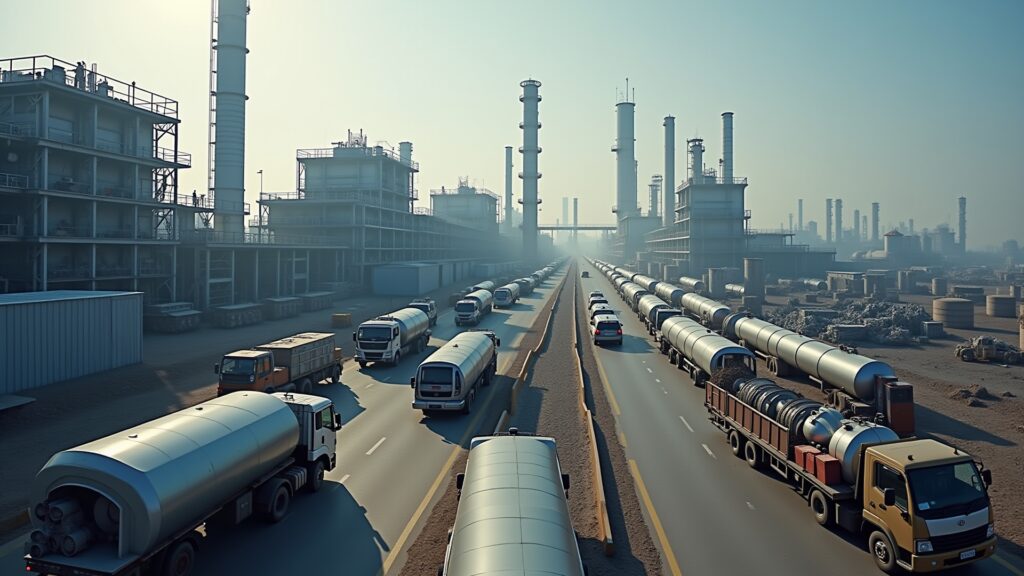
The government’s directive compels the sole domestic producer of high-purity urea to expand its capacity substantially. This escalation is a calculated intervention to ensure sufficient volume and assured quality of urea needed by automakers integrating SCR technologies at scale. It addresses a bottleneck in a key emissions mitigation component that supports diesel powertrains—still dominant in India’s commercial vehicle and freight segments.
This step dovetails with the nation’s broader regulatory push under BS6 and increasing environmental responsibilities, including India’s commitments to global climate frameworks. It also aligns with supply chain resilience strategies designed to buffer against ongoing global supply volatility and price fluctuations, which have challenged the automotive sector severely over recent years.
Key Business and Market Impact for Automotive Stakeholders
- Supply Chain Security: By localizing high-purity urea manufacturing, automakers and component suppliers reduce dependency on imports, limiting exposure to geopolitical risks and international logistics disruptions.
- Cost and Quality Stability: Indigenous production offers enhanced control over input quality and pricing, providing more predictable cost structures that influence pricing strategy and profitability.
- Emission Compliance Facilitation: Reliable access supports sustained compliance with BS6 norms and positions your organization well for future regulatory evolutions.
- Support for Diesel Powertrain Lifecycle: While electrification accelerates, diesel engines remain vital in commercial transport; this initiative helps manage their environmental footprint during the transition.
- Export Competitiveness: Strengthening the upstream supply chain enhances India’s credibility as an export hub, enabling you to better compete in global markets.
Strategic Insight: Why This Is More Than a Production Ramp-Up
This directive exemplifies how Indian automotive policy is evolving from reactive to strategic intervention—addressing upstream supply chain vulnerabilities rather than downstream symptoms. High-purity urea availability is a microcosm of broader supply chain localization priorities, reflecting a shift toward building an integrated automotive ecosystem that synchronizes manufacturing, regulation, and environmental objectives.
For you as an OEM leader or automotive strategist, the key takeaway is recognizing the interconnectedness of chemical inputs, emissions standards, and vehicle technology strategy. This initiative supports the delicate balance between maintaining diesel vehicle viability and aggressively pursuing electrification and hybridization.
Practical Takeaways for Automotive Leaders
- Ensure your procurement teams factor in increased local availability of high-purity urea to negotiate better contracts and reduce exposure to price swings.
- Work with supply chain and compliance departments to integrate this change into your production planning and emissions management strategies.
- Engage with policy forums and industry associations to stay abreast of further regulatory developments affecting supply chains.
- Evaluate how this strengthening of intermediate chemical supply chains influences your broader localization and sustainability roadmaps.
- Consider the operational cost benefits from reduced import dependency when planning your next generation of diesel or hybrid models.
Expert Perspective
“In the automobile industry, speed is valuable — but strategic timing creates lasting advantage.”
“The real edge is not only in building vehicles, but in controlling the technology, supply chain, and customer experience behind them.”
“When manufacturing strength, policy clarity, and market demand align, automotive growth becomes far more scalable.”
Risks and Challenges to Monitor
While the government’s push to boost production capacity is promising, several risks remain. The capability of the sole producer to scale without compromising quality will need close monitoring. Market prices for raw materials and energy inputs to manufacture high-purity urea could still impact cost predictability.
Moreover, as the market transitions toward electric and hybrid vehicles, the future demand for SCR-related inputs may evolve unpredictably, posing strategic inventory and product mix risks. You must factor these dynamics into your medium to long-term supply chain and product portfolio management.
What You Should Watch Next
- Further announcements on increased production targets and timelines from the supplier.
- New policies incentivizing chemical supply chain localization and integration with automotive manufacturing.
- Emerging technologies in emission reduction that may complement or replace SCR systems.
- Market shifts in diesel vehicle demand, particularly in commercial and freight sectors, as electrification strategies advance.
- Collaborations or joint ventures aimed at diversifying or stabilizing supply chains for critical inputs.
Conclusion
Your strategic navigation of India’s automotive market must factor in this government-led boost in high-purity urea production. It is a clear indication that securing upstream supply chain inputs is fundamental to embracing emission compliance, operational continuity, and cost efficiency. This initiative not only safeguards diesel vehicle emissions technology today but forms a bridge that supports India’s broader transition toward cleaner, technologically advanced mobility solutions. Monitoring these supply chain evolutions and embedding them into your business strategy will prove decisive as you steer your organization through the next era of automotive transformation.