












As a leader or stakeholder in India’s automotive industry, you cannot afford to overlook the unfolding conflict in West Asia and its far-reaching implications for your business. The prolonged geopolitical tensions are more than just a distant headline; they represent a critical risk vector that could unsettle supply chains, surge input costs, and pressure your industry’s growth trajectory during a transformative era. Recognizing how this external pressure integrates with your operational, strategic, and investment decisions is essential for safeguarding your competitive edge.
Why This Matters to You
The Indian automobile sector is not merely a supplier of vehicles; it is a cornerstone of the country’s industrial aspirations and export ambitions. Your enterprise, whether involved in manufacturing, component supply, retail, or export management, depends heavily on seamless functioning across global supply chains and stable energy availability. The West Asia conflict threatens to disrupt these pillars, directly impacting profitability, production schedules, and strategic goals—especially as you navigate the complex transition toward electrification and localization.
What Is Happening in the West Asia Conflict?
The ongoing geopolitical tensions in West Asia have alarmed industry groups like the Federation of Automobile Dealers Associations (FADA), highlighting how such disruptions ripple beyond consumer demand into the complex manufacturing and logistics web that sustains the auto ecosystem. This conflict risks destabilizing vital energy supplies and freight routes and inflating costs for raw materials and components crucial to vehicle production, especially for emerging segments such as hybrids and electric vehicles.
Key Business and Market Impacts
- Energy Price Volatility: Your reliance on West Asian oil imports means fluctuations in crude prices directly increase manufacturing and logistics costs. This price pressure squeezes margins just when you are investing heavily in modernizing production and meeting emissions targets.
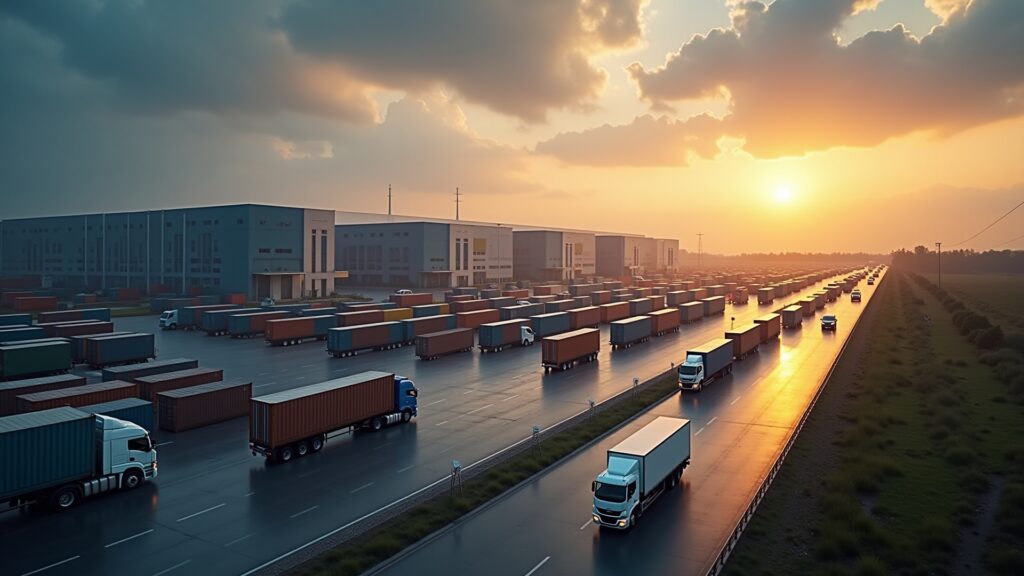
- Supply Chain Disruptions: Prolonged conflict could cause freight delays or route changes, putting your just-in-time inventory models at risk and affecting the seamless assembly of parts needed for both conventional and electrified vehicles.
- Raw Material Constraints: The supply scarcity or cost spikes in essential raw materials linked to West Asia—such as those used in battery chemicals or specialty components—could delay innovation timelines and impact supplier ecosystems.
- Exports at Risk: As India pushes to become a global automotive manufacturing hub, any logistical or cost hurdles threaten to undermine export growth, risking market share loss in competitive international markets.
Strategic Insights: Navigating Your Road Ahead
This conflict underscores a broader strategic imperative: diversification and resilience. You must scrutinize your supply chain dependencies and accelerate localization where feasible to mitigate exposure. However, localization should not mean compromising access to advanced technology and quality inputs, especially as the sector pivots to electrification and software-defined vehicles.
Further, reassessing energy procurement and logistics strategies is vital. Investing in long-term renewable partnerships and alternative fuel sources could cushion the impact of volatile West Asia oil prices. Aligning with policy incentives supporting domestic manufacturing and battery ecosystem development will be crucial for maintaining strategic advantage.
Practical Takeaways for Automotive Leaders
- Embed geopolitical risk analysis in your business continuity and investment planning.
- Accelerate localization initiatives targeting critical components while maintaining innovation standards.
- Reinforce supply chain visibility and flexibility to swiftly respond to freight or material shortages.
- Monitor energy markets closely and explore alternative energy sourcing to reduce reliance on volatile imports.
- Engage with policymakers to align on infrastructure, export facilitation, and manufacturing incentives that buffer geopolitical shocks.
Expert Perspective
“In the automobile industry, speed is valuable — but strategic timing creates lasting advantage.”
“The real edge is not only in building vehicles, but in controlling the technology, supply chain, and customer experience behind them.”
“When manufacturing strength, policy clarity, and market demand align, automotive growth becomes far more scalable.”
Risks and Challenges Ahead
While you work toward mitigation, the ongoing uncertainty in West Asia means volatility could intensify unexpectedly. This might disrupt raw material flows or cause sudden spikes in costs before adaptive measures take hold. Additionally, overreliance on any single region or supplier remains a key vulnerability. Balancing agility with strategic foresight will be essential to navigate these risks without compromising your long-term growth momentum.
What You Should Watch Next
Track developments in West Asia closely alongside global energy market trends. Watch for government policy updates on energy imports, export facilitation, and localization incentives. Additionally, monitor advancements in electric vehicle battery technology and related raw material supply chains, as shifts here could offset some region-specific risks. Finally, keep an eye on OEM and supplier strategies around supply chain diversification and technology investments — these often signal broader industry pivots.
Conclusion: Integrate Geopolitical Vigilance Into Your Automotive Strategy
The West Asia conflict impact on India auto industry is more than a geopolitical headline; it is a strategic wake-up call for you and your business. Incorporated thoughtfully into risk management and strategic planning, this challenge can reinforce your industry’s resilience and accelerate a shift toward a more self-reliant, technology-forward manufacturing base. Embrace this moment as an impetus to innovate, localize, and future-proof your operations amid the fragile global landscape.