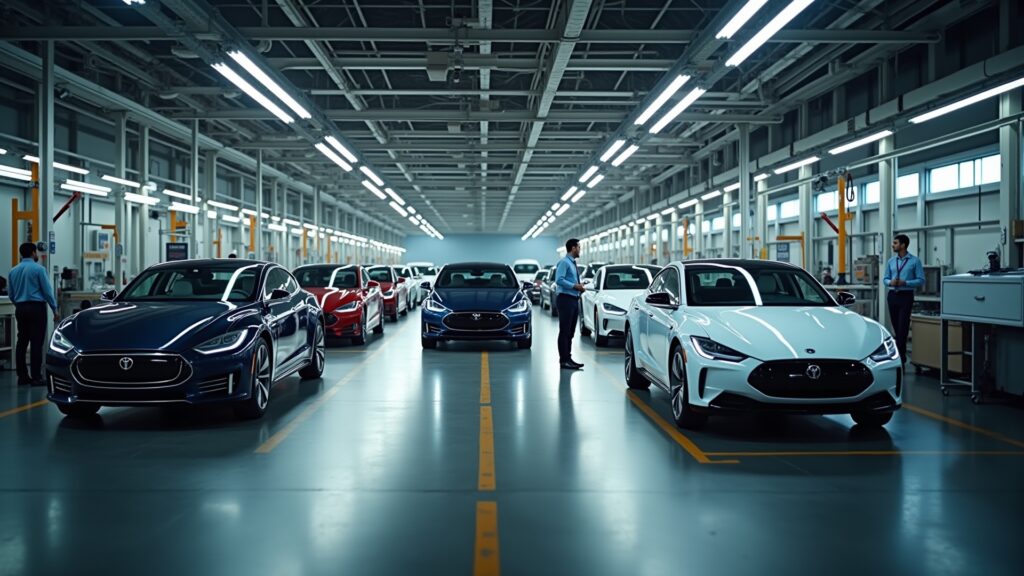














The transformation of India’s passenger car market from a state of notorious oversupply to acute supply constraints marks a critical juncture for every stakeholder within the automotive ecosystem. As a leader or investor in this industry, this shift compels you to rethink your production, supply chain, and market strategies against a backdrop of evolving consumer demand and geopolitical pressures. Your ability to navigate this transition will determine not only your competitive edge in India’s $100 billion market but also your participation in a global automotive renaissance centered on electrification, localisation, and software-driven innovation.
Why This Shift Matters to You
The recent data from the Federation of Automobile Dealers Associations (FADA) showing this inventory inversion is more than a statistical update—it’s a market wake-up call. When vehicle availability tightens radically, it impacts your inventory carrying costs, production cycles, and revenue predictability. This change demands you reassess how your supply chain resilience, dealer network agility, and manufacturing capabilities align with real-world consumer demand and policy shifts. Ignoring this pivot risks eroding profit margins and ceding ground to more agile competitors, especially as India accelerates its journey toward EV and hybrid adoption.
Dissecting What Is Happening in India’s Car Market
The inventory glut you previously experienced was largely a fallout of pandemic-related supply disruptions compounded by unpredictable consumer demand. As supply chains stabilize, FADA’s data reveals that OEMs and suppliers are increasingly struggling to meet surging orders, leading to constrained availability at dealerships nationwide. This reversal highlights deep structural challenges, including semiconductor shortages, component sourcing bottlenecks, and a need for dynamic production models.
Simultaneously, evolving consumer preferences toward premium, connected, and electric vehicles intensify the pressure to pivot operations and supply chains to accommodate these segments, where component complexity and localisation sensitivity are significantly higher.
Key Business and Automotive Implications
- Supply Chain Realignment: In your strategy, accelerating localisation is not optional but imperative. Reducing dependence on global chip and critical component supply lines means you must deepen your engagement with Indian auto component manufacturers and invest in supply chain digitization and transparency.
- Optimizing Production and Inventory: You need to shift from conventional mass production to a lean, demand-responsive manufacturing approach. This will improve working capital utilization and limit inventory obsolescence risks, essential under the new constrained supply scenario.
- Dealer Network Strategy Enhancement: For your dealer partners, mastering inventory constraints means leveraging advanced data analytics for demand forecasting and optimizing retail operations to enhance customer experience and maintain sales throughput.
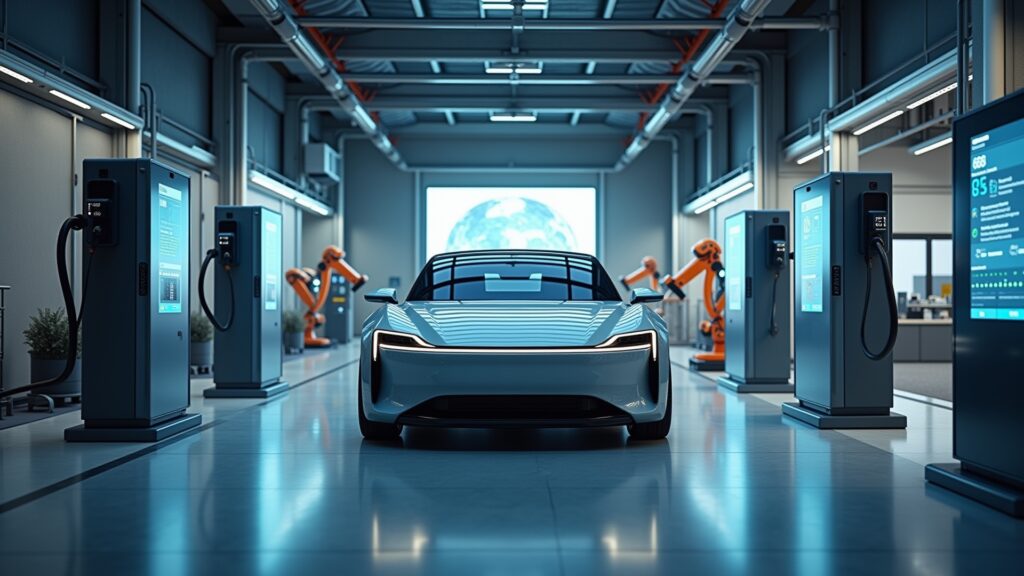
- Accelerating EV and Hybrid Integration: As electrification policies gain traction, you must recognize that supply constraints also reflect current limitations in electric vehicle component ecosystems. Strategic investments in battery sourcing, local component manufacturing, and charging infrastructure are crucial to scaling EV production effectively.
Strategic Insights for the Automotive Leadership and Investor Community
This shift is a stark reminder that your business models must evolve beyond traditional production and sales dynamics. You are now operating amidst rapid policy evolution, rising raw material costs, and demand for software-centric, sustainable mobility solutions. India’s standing as a viable global automotive manufacturing hub hinges on how quickly and efficiently you localize supply chains and integrate digital manufacturing technologies.
“When manufacturing strength, policy clarity, and market demand align, automotive growth becomes far more scalable.” This confluence is your invitation to pivot decisively toward nurturing integrated ecosystems where software-defined vehicles and connected platforms become baseline offerings, not afterthoughts.
Practical Takeaways for Navigating the Car Market Shift
- Understand that supply constraints are now the new normal; adjust procurement and production plans accordingly.
- Invest aggressively in localisation – whether in semiconductors, critical auto components, or EV battery ecosystems.
- Empower your dealer network with advanced analytics-driven forecasting tools to optimize inventory turnover and customer engagement.
- Revisit your EV and hybrid transition roadmaps to address component scarcity and scale production sustainably.
- Monitor raw material price volatility and policy updates regularly to recalibrate your strategic decisions swiftly.
Cautionary Insights: Challenges and Risks Ahead
Even as the supply constraint phase offers a chance for operational discipline and strategic realignment, it exposes you to risks including customer dissatisfaction due to limited availability, increased production costs from localising components, and potential bottlenecks in adapting technology platforms. Moreover, global semiconductor uncertainty and geopolitical tensions could further disrupt your attempts at stabilizing supply.
“In the automobile industry, speed is valuable — but strategic timing creates lasting advantage.” Ensuring your moves are measured rather than reactive will safeguard long-term sustainability.
What You Should Watch Next in India’s Auto Market
Stay vigilant on how swiftly OEMs can localize semiconductor and EV component production, the impact of government policy incentives for electrification, and dealer network innovations in inventory management and customer engagement. Also critical will be developments in software-defined vehicle platforms and connected mobility services, key levers for competitive differentiation.
Conclusion: Leveraging Constraints to Build Resilience and Competitiveness
The shift from a glut to supply constraint in India’s car market is more than a cyclical trend—it is a strategic inflection point for you as an OEM leader, supplier, or investor. Navigating this phase with a focus on supply chain resilience, localisation, and production agility is decisive not only for sustaining market growth but for establishing India’s global leadership in automotive innovation.
Embracing this transition through targeted investments, technology integration, and ecosystem partnerships will position you to capitalize on India’s accelerating mobility transformation, from electrification to connected vehicles.
“The real edge is not only in building vehicles, but in controlling the technology, supply chain, and customer experience behind them.” Your strategic response to this shift will define your competitive future in a market that is rapidly evolving but ripe with opportunity.