












Many legacy car makers face the challenge of adapting to the rapidly evolving electric vehicle (EV) market. To thrive, you must embrace strategic innovation by leveraging your existing strengths while investing in new technologies. This post will guide you through vital steps for developing a profitable EV portfolio, ensuring you stay competitive and meet the growing consumer demand for sustainable transportation solutions.
There’s a significant shift in the automotive industry as legacy car makers navigate the transition to electric vehicles (EVs). To thrive in this evolving landscape, you need to adopt strategic approaches that align with current market demands. By leveraging your existing brand strength, embracing innovative technologies, and investing in sustainable practices, you can create a profitable EV portfolio. This post explores vital strategies that empower you to successfully adapt and excel in the competitive EV market.
Key Takeaways:
- Invest in robust R&D to enhance battery technology and extend vehicle ranges, ensuring competitiveness in the EV market.
- Develop strategic partnerships with tech companies to integrate advanced technology features and enhance consumer appeal.
- Focus on sustainability throughout the supply chain to meet evolving regulations and consumer expectations for eco-friendly practices.
Key Takeaways:
- Invest in comprehensive R&D to enhance battery technology and vehicle performance.
- Form strategic partnerships with tech companies for software development and charging infrastructure.
- Focus on diverse EV models to cater to various consumer segments and preferences.
Understanding the EV Landscape
The electric vehicle (EV) landscape is rapidly evolving, with advancements in technology and changing regulations reshaping the market. Governments worldwide are pushing for greener initiatives, offering incentives for both manufacturers and consumers. As a legacy carmaker, your ability to adapt to this dynamic environment is necessary for ensuring long-term profitability in the face of fierce competition.
Market Trends and Consumer Preferences
Today’s consumers prioritize sustainability, seeking vehicles that align with their environmental values. There’s a noticeable shift towards EVs, with a projected market growth rate of over 20% annually in many regions. Additionally, connectivity features and digital experiences have become vital, influencing your strategy in product development and marketing to meet the evolving demands of eco-conscious buyers.
Competitive Analysis of Current Players
Current players in the EV market, such as Tesla and emerging startups, are setting a high standard with innovative technologies and compelling customer experiences. You need to monitor their strategies closely, as they leverage software integration, superior ranges, and advanced performance metrics to capture market share. Emulating aspects of their success while focusing on your brand’s strengths can provide a unique competitive edge.
For instance, Tesla leads with its Supercharger network and over-the-air software updates, creating a seamless ownership experience. Rivian focuses on adventure-ready features that appeal to outdoor enthusiasts, while traditional automakers like Ford rapidly transition with models like the Mustang Mach-E. Understanding these diverse approaches will enable you to identify gaps in the market where your legacy brand can innovate and excel. Leveraging your established reputation while infusing modern technology is key to competing effectively in this rejuvenated landscape.
Understanding the EV Market
Your ability to grasp the dynamics of the EV market is fundamental for building a successful portfolio. This sector is experiencing rapid transformation, driven by technological advancements, regulatory pressures, and evolving consumer preferences. With governments worldwide pushing for reduced carbon emissions, the demand for electric vehicles is surging, creating both challenges and opportunities for traditional automakers.
Current Trends in Electric Vehicles
Currently, the shift towards electrification is accelerating, marked by a significant rise in EV sales, which topped 10 million units globally in 2022 alone. Advances in battery technology, such as solid-state batteries, and an increasing number of charging stations are enhancing the appeal of EVs. Additionally, automakers are focusing on creating affordable models to attract a wider customer base.
Consumer Preferences and Expectations
Today’s consumers prioritize sustainability, performance, and advanced technology in their vehicle choices. The growing awareness of climate change drives a demand for environmentally friendly options, while features like increased range and fast charging capabilities have become expectations rather than just perks.
Consumer preferences reflect a profound shift towards electric vehicles, with studies showing that over 70% of potential car buyers are considering an EV for their next purchase. Your customers expect seamless integration of technology, such as advanced driver-assistance systems (ADAS) and connectivity features. The shift from traditional gasoline engines to EVs hinges on meeting these modern expectations, as today’s buyer is not merely looking for transportation but a full-fledged technological experience that aligns with their values.
Leveraging Existing Strengths
Your legacy brand holds a wealth of established strengths that can be pivotal in the transition to electric vehicles. By capitalizing on brand equity, customer loyalty, and existing manufacturing capabilities, you can carve out a competitive edge in the EV market. Utilize the rich history and reputation of your automobiles to build trust in your EV offerings, ensuring a smoother reception from existing customers while attracting new ones.
Brand Heritage and Customer Loyalty
Your brand heritage plays a significant role in building customer loyalty. Long-standing relationships with consumers can create a sense of trust when introducing new EV models. Highlighting your brand’s commitment to sustainability and advanced technology will reassure loyal customers while drawing in environmentally conscious buyers keen on reliability and performance.
Manufacturing Capabilities and Supply Chain
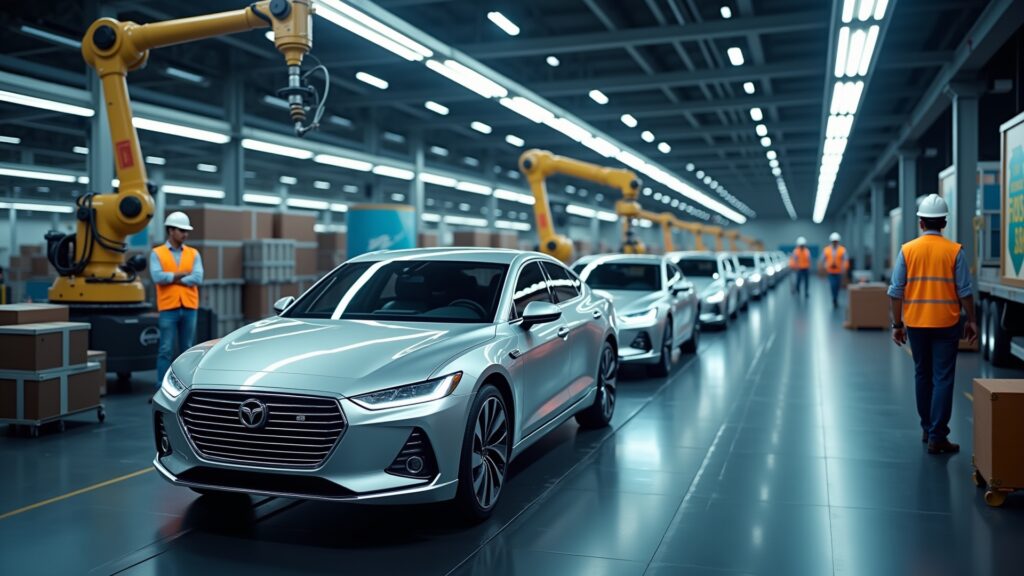
Leveraging your existing manufacturing infrastructure and supply chain relationships is vital for an efficient transition to EV production. Established plants can be adapted for electric powertrains, and long-term partnerships with suppliers can ensure timely access to critical battery materials and components, reducing potential delays. By optimizing production processes and maintaining quality standards, you can effectively scale EV output while minimizing costs.
Investing in retooling existing manufacturing facilities for EV production allows you to streamline operations and maintain efficiency. For example, companies like Ford and Volkswagen are repurposing traditional factories to accommodate electric vehicle needs, enabling a faster market entry. Additionally, maintaining strong collaborations with battery suppliers like LG Chem or Panasonic secures vital resources while fostering innovation in battery technology. This strategic alignment not only enhances your production capabilities but also strengthens your competitive position in the EV sector, enabling you to respond swiftly to market demands.
Assessing Internal Capabilities
Evaluating your company’s internal strengths and weaknesses is vital to aligning with the demands of the EV market. This involves a thorough review of your existing technology, workforce, R&D capabilities, and overall operational readiness to effectively transition to electric vehicle production and innovation.
Existing Technology and Infrastructure
Your current technology and infrastructure can significantly influence your transition to EVs. Assess whether your manufacturing plants can be upgraded for EV production, and evaluate your existing supply chain relationships to identify potential bottlenecks in acquiring necessary components like batteries and electric drivetrains.
Workforce Skills and Training Needs
The shift to electric vehicles requires a workforce proficient in new technologies and processes. Identify skill gaps in your current team that may hinder your EV initiatives and implement targeted training programs to upskill employees in areas such as battery technology, software development, and sustainable manufacturing practices.
Addressing workforce skills and training needs is critical for effectively managing the transition to electric vehicles. You might find that your current engineers lack knowledge in battery chemistries or software integration imperative for modern EVs. By investing in comprehensive training programs, including partnerships with technical institutions or online courses, you can ensure your team is equipped to tackle EV-specific challenges. This not only improves your workforce’s adaptability but also enhances innovation, leading to a more competitive edge in the EV market as you navigate this transformative phase in automotive history.
Strategic Partnerships and Collaborations
Building a profitable EV portfolio requires forming strategic partnerships that leverage strengths across various sectors. Collaborations can enhance technological capabilities, expand market reach, and optimize resources, positioning your brand favorably amid fierce competition. Establishing the right alliances will empower you to innovate faster and meet consumer expectations more effectively.
Technology Alliances with Tech Companies
Partnering with tech companies is vital for delivering cutting-edge innovations in software and autonomous driving features. Collaborations with leaders in AI and data analytics can significantly enhance your vehicle’s performance and user experience. You can tap into their expertise to streamline development processes and accelerate the rollout of new technologies.
Collaborations with Charging Infrastructure Providers
Aligning with charging infrastructure providers not only ensures that your customers have convenient access to charging stations but also positions you as a complete solution provider in the EV ecosystem. By collaborating with companies specializing in charging networks, you can work towards creating fast-charging options, integrating your vehicles with their systems, and possibly even sharing data for optimizing usage patterns.
This partnership goes beyond simple access; it opens avenues for co-branded charging stations that can enhance brand visibility and customer loyalty. As seen in partnerships like that of Volkswagen with Electrify America, offering extensive and reliable charging infrastructure can significantly reduce range anxiety for EV owners, bolstering your market appeal. By collaborating with established providers, you ensure your EVs are integrated seamlessly into existing networks, enhancing their usability and convenience for consumers.
Strategic Partnerships and Collaborations
In a landscape where rapid innovation is the norm, forming strategic partnerships can significantly enhance your EV portfolio. Collaborating with others helps leverage shared resources, expertise, and technologies. Such alliances can accelerate product development and broaden market presence, positioning you as a formidable player in the evolving EV market.
Collaborating with Tech Companies
Partnering with tech companies allows you to integrate advanced software and artificial intelligence into your EVs, improving user experience and safety. By joining forces with innovators in connectivity and autonomous driving technology, you can ensure your vehicles remain competitive and relevant in a tech-driven future.
Building Relationships with Battery Suppliers
Secure and reliable partnerships with battery suppliers are crucial for your EV success. Establishing long-term relationships not only ensures the quality and performance of your vehicles but also provides you with insights into evolving battery technologies and market demands.
Building strong relationships with battery suppliers can lead to more favorable pricing and priority access to new technologies. For instance, partnerships with companies like LG Chem or CATL can help you navigate the often unstable supply chain of lithium-ion batteries. By collaborating on R&D initiatives, you can influence product specs to better suit your EV designs, while also gaining insights into the lifecycle and sustainability of battery materials. This strategic alignment positions you to respond quickly to shifts in consumer demand and regulatory requirements.
Investment in R&D and Innovation
Allocating resources to research and development is vital for legacy car makers transitioning into the EV market. This investment not only enhances your electric vehicle offerings but also positions your brand as a leader in innovation. Successful companies continuously refine their engineering processes, incorporating cutting-edge technologies to address performance, efficiency, and sustainability challenges. By prioritizing R&D, you can secure a competitive edge and cater to an increasingly savvy consumer base.
Advancements in Battery Technology
Battery technology is a primary focal point of your R&D initiatives. Investing in solid-state batteries, which promise higher energy density and faster charging times, can significantly enhance your EV offerings. Many leading automakers are pursuing partnerships with tech companies to innovate in this space, aiming to establish longer-range vehicles that can compete effectively in the marketplace.
Development of Autonomous Driving Features
The development of autonomous driving features is transforming the automotive industry. By integrating AI and machine learning into your vehicles, you can create advanced driver-assistance systems that elevate safety and convenience. Major advancements in sensor technology contribute to more reliable systems, enabling a seamless transition to fully autonomous driving in the near future.
As you explore into the development of autonomous driving features, consider the potential impact of Level 4 and Level 5 autonomy on your product lineup. Companies like Tesla and Waymo are pioneering the use of complex algorithms and extensive data collection to enhance their systems that can navigate urban environments with minimal human intervention. Investing in robust safety protocols and regulatory compliance will also be vital as you innovate. These advancements are not merely technological; they reshape consumer expectations and redefine how vehicles integrate into everyday life.
Developing a Diverse EV Portfolio
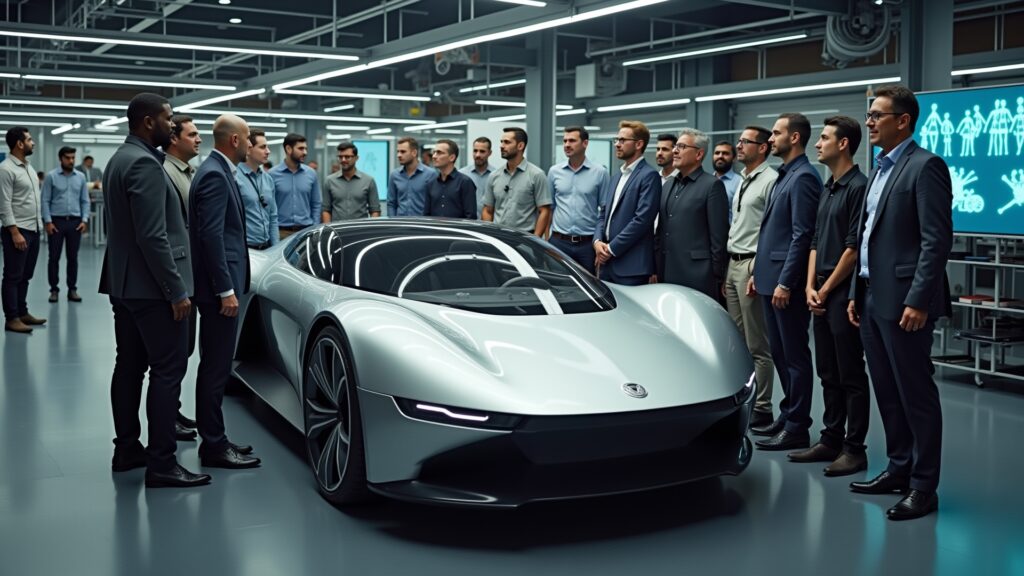
A diverse EV portfolio is necessary for capturing varying consumer preferences and maximizing market share. By offering a range of electric vehicles tailored to distinct segments-such as sedans, SUVs, and trucks-you can strategically position your brand at multiple touchpoints within the market. This variety not only meets customer demand but also mitigates risk by reducing reliance on a single vehicle type or model. Embracing this approach will enhance your competitiveness in the evolving automotive landscape.
Segmenting the Market: Sedans, SUVs, and Trucks
Segmenting your EV offerings into sedans, SUVs, and trucks allows you to target a diverse customer base effectively. Sedans appeal to urban drivers looking for efficiency and compact design, while SUVs cater to families and adventure seekers valuing space and versatility. Trucks represent a growing segment, especially among consumers who prioritize utility and performance. By addressing these specific markets, you can optimize your product lineup and align with varying consumer needs.
Innovations in EV Design and Features
Innovating in EV design and features is vital for standing out in a competitive market. Cutting-edge advancements in battery technology, lightweight materials, and smart features enhance performance and consumer appeal. Integrating driver-assistance technology, eco-friendly materials, and customizable interiors not only improves user experience but also builds a modern brand image. Investing in these innovations ensures your EVs are not only functional but also attractive and desirable to a tech-savvy audience.
Recent examples underline the importance of innovations in design and features. For instance, Tesla’s minimalistic interior design, complemented by a centralized touchscreen, redefined user interaction with vehicles. Additionally, advancements in solid-state battery technology promise greater energy density and faster charging times, attracting consumers eager for convenience. An emphasis on sustainability, such as using recycled materials in vehicle manufacturing, resonates with environmentally conscious buyers, showcasing a commitment to eco-friendliness while enhancing brand loyalty. Prioritizing such innovation will position your portfolio at the forefront of the EV revolution.
Marketing and Positioning Strategies
Implementing effective marketing and positioning strategies is pivotal in establishing your EV brand as a leader in a competitive landscape. Craft personalized campaigns that highlight your unique selling propositions while addressing consumer concerns about sustainability, cost, and technology. Utilize digital platforms and data analytics to engage prospects, optimizing your messaging to resonate with evolving customer preferences.
Creating a Compelling Brand Narrative
Your brand narrative must evoke emotions and connect with consumers on a deeper level. Share the journey of your company transitioning to electrification, emphasizing innovation, sustainability, and commitment to a clean future. Incorporate storytelling that showcases real customer experiences, using testimonials and case studies to highlight trust and reliability.
Targeting Diverse Customer Segments
To maximize your market reach, it’s vital to segment your audience effectively. Identify distinct customer profiles, from eco-conscious consumers to tech enthusiasts, tailoring your messaging and product features to meet their unique needs and preferences. Your approach should involve understanding age, income levels, and values to refine your engagement strategy.
Delving deeper into diverse customer segments allows for more targeted product development and marketing efforts. For instance, families may prioritize safety features and spacious designs, while urban dwellers may seek compact size and efficiency. By leveraging data analytics and market research, you can craft specific campaigns that speak directly to these groups, ensuring that messaging around range, charging solutions, and environmental impacts aligns with their values and lifestyles. The more personalized and relevant your approach, the greater the potential for conversion and brand loyalty among varied demographics.
Marketing and Brand Positioning
Your brand’s transition to electric vehicles must be strategically positioned to resonate with consumers. Emphasizing your legacy while showcasing the advancements in EV technology allows you to connect with both loyal customers and new buyers seeking innovation. Highlighting unique features in your electric lineup, such as enhanced performance or cutting-edge technology, will reinforce your commitment to meet the evolving demands of the market.
Rebranding for the EV Era
To thrive in the EV market, you may need to undergo a significant rebranding effort. This involves not only shifting your visual identity to align with eco-friendly values but also adopting messaging that reflects modernization and progress. Celebrating your heritage while embracing sustainability will set you apart from newer entrants in the market.
Communicating Sustainability and Innovation
Effectively conveying your sustainability efforts and innovative capabilities is vital in today’s market. Customers increasingly prioritize brands that demonstrate environmental responsibility, and you can differentiate yourself by sharing concrete actions like carbon neutrality initiatives or sustainable manufacturing processes. Emphasizing innovations, such as battery technology breakthroughs, will also resonate with tech-savvy consumers.
Highlight specific initiatives that showcase your dedication to sustainability, such as commitments to reducing emissions throughout your supply chain or investments in renewable energy for production. Case studies, like your collaboration with recycling programs or partnerships with technology leaders, provide tangible proof of your innovative approach. By blending your legacy with a forward-looking commitment to sustainability, you cultivate trust and loyalty among eco-conscious consumers.
Navigating Regulatory and Environmental Challenges
Success in the EV market requires you to navigate a complex landscape of regulations and environmental challenges. Keeping pace with emission targets, safety standards, and government mandates is vital. Additionally, understanding the local, national, and international policies that govern EV production and sales will position you to capitalize on emerging opportunities while avoiding potential penalties or setbacks.
Understanding EV Regulations and Incentives
To effectively steer your EV strategy, you need to familiarize yourself with current regulations and incentives. Many regions offer tax breaks, rebates, and grants for EV manufacturers, making it financially beneficial to align your production with local environmental policies. Understanding these frameworks allows you to optimize your manufacturing processes and pricing structures accordingly.
Adopting Sustainable Practices
Integrating sustainable practices into your operations is imperative for compliance and competitiveness. You should focus on using eco-friendly materials, reducing waste, and utilizing renewable energy sources throughout your supply chain. Developing partnerships with suppliers that share your sustainability objectives can further bolster your commitment.
Adopting sustainable practices not only enhances your brand reputation but also leads to significant cost savings and efficiencies. For instance, companies like BMW have committed to sourcing 100% of their aluminum from recycled materials by 2030. By investing in energy-efficient production processes and adopting circular economy principles, you can minimize your environmental impact while aligning with consumer expectations and regulatory demands. This proactive stance fosters loyalty and can quite literally drive sales in an increasingly eco-conscious market.
Navigating Regulatory Challenges
Adapting to evolving regulatory landscapes is imperative for your successful transition into the electric vehicle market. As governments worldwide implement stricter emissions targets and incentives for EV adoption, staying ahead of compliance requirements is vital. You must familiarize yourself with both local and international regulations to mitigate risks and capitalize on available subsidies, allowing your company to thrive amidst legislative changes.
Understanding Government Incentives
To enhance your profitability, leverage government incentives designed to support EV adoption. Various programs provide tax credits, rebates, and grants for electric vehicles, charging infrastructure, and research initiatives. For instance, the U.S. offers a federal tax credit of up to $7,500 per EV sold, while European markets often feature substantial grants for sustainable technologies, helping you reduce upfront costs and boost consumer interest.
Compliance with Environmental Regulations
Your commitment to adhering to environmental regulations is paramount in securing a strong position in the EV market. Factors such as emission standards, battery disposal guidelines, and sustainability mandates can impact design and production processes significantly. Understanding the specific regulations that govern your operations ensures not only operational legality but also a positive brand image in the increasingly eco-conscious automotive landscape.
Fulfilling environmental regulations involves aligning your production and operational practices with standards set by authorities such as the EPA or EU directives. This may entail adopting cleaner manufacturing processes, using sustainable materials, and implementing effective recycling programs for battery components. For example, companies like Tesla have invested heavily to ensure that their supply chains are as eco-friendly as possible, setting benchmarks for sustainability. As regulations evolve, keeping abreast of changes and actively engaging in discussions with regulators can position you as a leader committed to environmental responsibility, resonating positively with consumers. Your proactive approach will also be crucial in avoiding potential fines and penalties that could hurt your financial standing.
Summing up
Ultimately, to build a profitable EV portfolio, you must focus on aligning your production capabilities with evolving consumer preferences, harnessing technological advancements, and fostering sustainable practices. By strategically investing in research and development, enhancing your supply chain, and creating value-driven partnerships, you can position your brand favorably in the competitive EV landscape. Emphasizing quality, innovation, and customer experience will ensure that your legacy car maker adapts to market changes while maintaining profitability and relevance in the electric vehicle sector.
Final Words
The transition to electric vehicles presents you with a significant opportunity to reshape your legacy brand. By focusing on innovation, strategic partnerships, and understanding consumer preferences, you can effectively integrate EVs into your portfolio. Leveraging your existing strengths while embracing sustainable practices will help you stay competitive and meet market demands. Ensure that you implement a strong charging infrastructure and offer diverse models that appeal to various segments. By taking these steps, you can build a profitable EV portfolio that secures your company’s future in the evolving automotive landscape.
FAQ
Q: What strategies can legacy car makers adopt to transition to an EV-focused portfolio?
A: Legacy car makers can begin by investing heavily in research and development to innovate EV technology. This includes enhancing battery efficiency, exploring strong partnerships with tech firms for software development, and employing a flexible manufacturing process that allows for quick adaptation to new models. Additionally, they should consider piloting EV models in select markets to gauge consumer interest and feedback before a wider rollout.
Q: How important is consumer education in the successful launch of EVs by legacy manufacturers?
A: Consumer education plays a significant role in the adoption of EVs. Legacy car makers should implement targeted marketing campaigns that highlight the benefits of EV ownership, such as lower operating costs and reduced environmental impact. Offering test drives and educational workshops can help alleviate consumer concerns and misconceptions regarding EV performance, charging infrastructure, and maintenance.
Q: What role does sustainability play in the profitability of an EV portfolio for traditional car makers?
A: Sustainability is vital as consumers increasingly prefer eco-friendly options, making it a key selling point for EVs. Legacy manufacturers should prioritize sustainable practices in production, such as sourcing recyclable materials and minimizing emissions. Communicating these sustainability efforts effectively can enhance brand reputation and attract environmentally conscious consumers, ultimately boosting profitability in the long run.