









Most auto brands today face a defining moment as electric vehicles (EVs) reshape the automotive landscape. Your success hinges on understanding how robust EV charging infrastructure influences consumer choices and brand loyalty. As more drivers opt for electric vehicles, your ability to provide accessible and reliable charging options will determine your competitiveness. Investing in this infrastructure not only enhances your brand image but also aligns you with the growing demand for sustainable transportation solutions, making it important to stay ahead in this rapidly evolving market.
Key Takeaways:
- Strong EV charging infrastructure enhances customer satisfaction and loyalty.
- Inadequate charging options can deter potential buyers and harm brand reputation.
- Competitive positioning in the EV market relies heavily on accessibility and convenience of charging networks.
The Importance of EV Charging Infrastructure
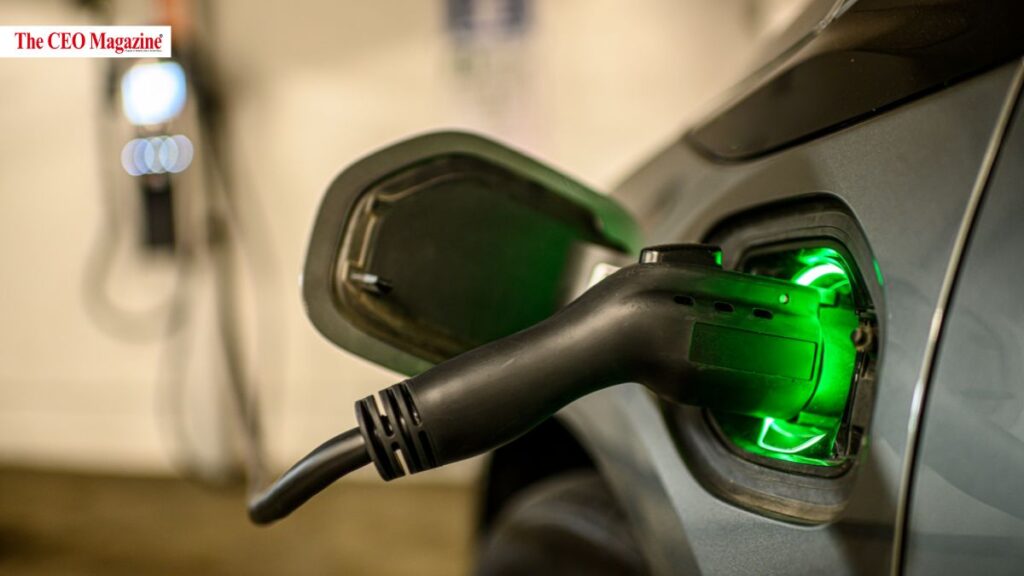
Building a robust EV charging infrastructure is vital for your brand as it directly influences consumer adoption of electric vehicles. Accessible and reliable charging stations not only alleviate range anxiety but also enhance convenience for users, fostering trust in your brand. A well-developed network supports your vehicles’ usability, ultimately driving purchase decisions and brand loyalty. In the evolving automotive landscape, investing in effective charging solutions can set you apart.
Consumer Expectations
Today’s consumers expect seamless accessibility to charging stations as an integral part of the EV ownership experience. You need to recognize that modern drivers prioritize convenience, so having a reliable and widespread charging network is not merely a bonus, but a necessity. The availability of fast-charging options can significantly influence their purchase choices, making it imperative for your brand to meet these expectations to remain competitive.
Competitive Landscape
The competitive landscape for electric vehicles is increasingly defined by the availability of comprehensive charging solutions. As EV adoption grows, your brand faces pressure not only from traditional automakers but also from new entrants who recognize the strategic advantage that robust charging networks provide. Companies that innovate in charging infrastructure-such as partnerships with charge point operators-can create significant differentiation and appeal to a wide customer base.
Nestled within this competitive landscape, established automakers and new players are racing to enhance their infrastructure offerings. Tesla’s Supercharger network exemplifies how a strategic focus on charging can bolster brand loyalty, often prompting consumers to choose Tesla purely for the charging experience. Meanwhile, companies like Ford and GM are forming alliances with charging networks, enhancing customer confidence in their offerings. With more states and countries prioritizing electric vehicle support, your proactive development of charging solutions can position your brand as a leader in an evolving market.
Challenges in Building Charging Networks
Developing an extensive EV charging network presents several obstacles that can hinder growth and market penetration. From financial constraints to location-based challenges, each facet must be meticulously considered to ensure successful implementation. Addressing these challenges is imperative for auto brands looking to solidify their foothold in the EV market.
Financial Investment Requirements
Building a widespread charging network demands significant financial investment. You must allocate funds not just for the charging stations themselves, but also for installation, ongoing maintenance, and grid upgrades. As a benchmark, estimates suggest that deploying a single fast charger can cost upwards of $100,000, depending on the location and installation complexities.
Location and Accessibility Issues
You face serious hurdles when it comes to selecting optimal locations for charging stations. Ideal spots balance high traffic with accessibility, but these locations often require complex zoning permissions and negotiations with property owners. An effective site evaluation process can mitigate these setbacks.
Choosing the right locations for charging stations is crucial for maximizing usage and convenience. Prime locations include busy urban centers, highway rest stops, and shopping districts, where drivers can charge while they engage in other activities. However, these ideal spots may often be subject to regulatory hurdles, landlord agreements, and local community concerns. A strategic approach to site selection, including demographic studies and traffic analysis, will help you pinpoint areas with the highest potential for adoption, ensuring that your charging network enhances accessibility for EV owners.
Impact on Brand Image
Your brand image is intricately tied to your approach to EV charging infrastructure. Companies that invest in extensive, reliable networks signal to consumers that they prioritize convenience and sustainability, distinguishing themselves in a competitive market. An advanced charging network can elevate your brand, showcasing innovation while also building trust with consumers who rely on accessible charging solutions.
Sustainability and Innovation Perception
When you actively promote your EV charging infrastructure, you position your brand as a leader in sustainability and innovation. This perception resonates strongly with eco-conscious consumers who prioritize companies that demonstrate a commitment to reducing their carbon footprint. By offering cutting-edge charging solutions, you not only cater to current customer needs but also enhance your brand’s relevance in the evolving automotive landscape.
Customer Loyalty and Satisfaction
Building an accessible charging network significantly enhances customer loyalty and satisfaction. When you provide ample charging options, particularly in high-demand areas, you create a seamless experience that keeps customers returning to your brand. This sense of reliability fosters a deeper emotional connection, which is vital in retaining customers in a market filled with choices.
Satisfied customers are more likely to become brand advocates, influencing potential buyers through word-of-mouth and online reviews. A study indicated that 73% of consumers are willing to pay more for a brand known for sustainability and convenience in its services. By ensuring that your customers have reliable, easy access to charging stations, you can substantially increase retention rates and foster a community of loyal supporters. Your commitment to a well-planned charging infrastructure can transform customers into lifelong brand ambassadors, driving long-term growth and success for your auto brand.
Strategies for Successful Implementation
Your brand’s success in the EV market rides on a well-planned charging infrastructure strategy. Begin by assessing your target markets, identifying where consumers charge, and iterating on those insights to provide convenient and accessible solutions. Prioritizing fast-charging stations in urban areas and along highways can significantly enhance driver experience, turning potential pitfalls into competitive advantages.
Partnerships with Charging Networks
Government Incentives and Support
Future Trends in EV Charging
As the electric vehicle market evolves, so will the charging landscape. Expect an increase in ultra-fast charging stations equipped with cutting-edge technology to significantly reduce wait times. Wireless charging systems are also on the horizon, enabling seamless energy transfer without a physical connection. These advancements will not only enhance user experience but also strengthen brand competitiveness.
Technological Advancements
Emerging technologies are set to revolutionize the EV charging process. Features like vehicle-to-grid (V2G) technology allow your car to feed energy back into the grid, optimizing energy consumption. Additionally, adoption of artificial intelligence can facilitate predictive maintenance, ensuring your charging stations operate smoothly and efficiently, thereby enhancing reliability.
Integration with Smart Home Systems
Integrating EV chargers with your smart home ecosystem presents unique opportunities. Charging can be scheduled to coincide with periods of low energy rates, aligning your electric usage for maximum efficiency and cost savings. This synergy not only streamlines your energy management but also elevates the overall user experience.
Integrating EV chargers with smart home systems allows for automated management of your energy consumption. You can set charging schedules based on utility pricing or solar energy generation, tapping into the most economical options available. Many systems can send notifications straight to your smartphone, providing real-time updates and insights on charging status, energy usage, and potential savings, effectively turning your electric vehicle into an intelligent part of your home ecosystem. This integration not only enhances convenience but also positions your brand at the forefront of sustainable energy solutions.
Case Studies of Leading Auto Brands
Examining the approaches of successful auto brands reveals critical insights into how the right EV charging strategies can drive market success and enhance consumer trust.
- Tesla: Over 30,000 Superchargers globally, reducing charging time to under 30 minutes, contributing to 70% of their U.S. sales driven by charging convenience.
- Ford: Invested $11 billion into electrification by 2022, including a plan for 63,000 chargers across North America, increasing EV sales by 150%.
- Volkswagen: The ID.4 saw a 250% increase in sales once their Electrify America network expanded to 700 charging stations nationwide.
- General Motors: Committed $2.5 billion to enhance the Ultium charging network, projecting 40,000 chargers by 2025, boosting EV adoption in urban areas.
Successful Implementations
Leading auto brands have demonstrated how strategic charging infrastructure investments can yield impressive results. Tesla’s Supercharger network has not only facilitated its growth but has also set a benchmark for convenience, showing that consumer confidence in EVs is tightly linked to accessible charging options.
Lessons Learned
Understanding the challenges faced by industry leaders helps you avoid pitfalls. Brands that failed to prioritize charging infrastructure saw dwindling sales and eroded customer loyalty. The key takeaway is that an effective charging strategy not only aligns with consumer needs but also fortifies market presence.
Reflecting on these lessons, you can identify that successful brands prioritize comprehensive charging solutions. By analyzing failures in inadequate networks or slow deployment, you grasp the importance of consumer accessibility. Additionally, ensuring partnerships with various charging providers enhances flexibility and convenience, necessary for gaining market traction. This forward-thinking approach drives your brand’s strategy to meet evolving consumer demands effectively.
Summing up
With these considerations, your auto brand’s success hinges on the development of robust EV charging infrastructure. As consumer demand for electric vehicles grows, the availability and accessibility of charging stations will directly influence your customers’ purchasing decisions. By investing in strategic partnerships and establishing a reliable network, you enhance brand loyalty and attract environmentally-conscious buyers. Ultimately, the way you approach EV charging infrastructure will significantly impact your brand’s market position and future growth opportunities.
FAQ
Q: Why is EV charging infrastructure important for auto brands?
A: EV charging infrastructure directly affects customer convenience and satisfaction. A robust network can enhance the ownership experience, making it easier for users to charge their vehicles. Auto brands that invest in charging solutions can differentiate themselves in a competitive market, attracting more environmentally-conscious consumers.
Q: How does charging station availability influence consumer purchase decisions?
A: Availability of charging stations plays a significant role in consumer purchase decisions. If potential buyers perceive that charging infrastructure is lacking, they may hesitate to buy electric vehicles. A well-established charging network reassures customers about the practicality and convenience of EV ownership.
Q: What role does partnership with charging networks play in brand strategy?
A: Partnerships with established charging networks can enhance an auto brand’s market presence and credibility. Collaborating with reliable charging providers allows for wider access, better service options, and potentially lower operational costs. This strategy can strengthen customer loyalty and improve overall brand perception in the EV market.