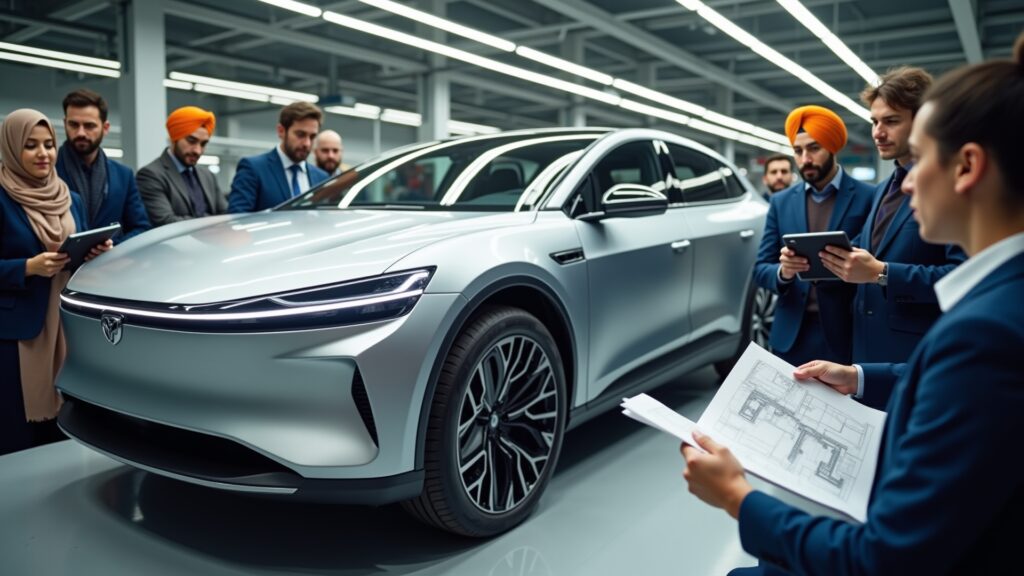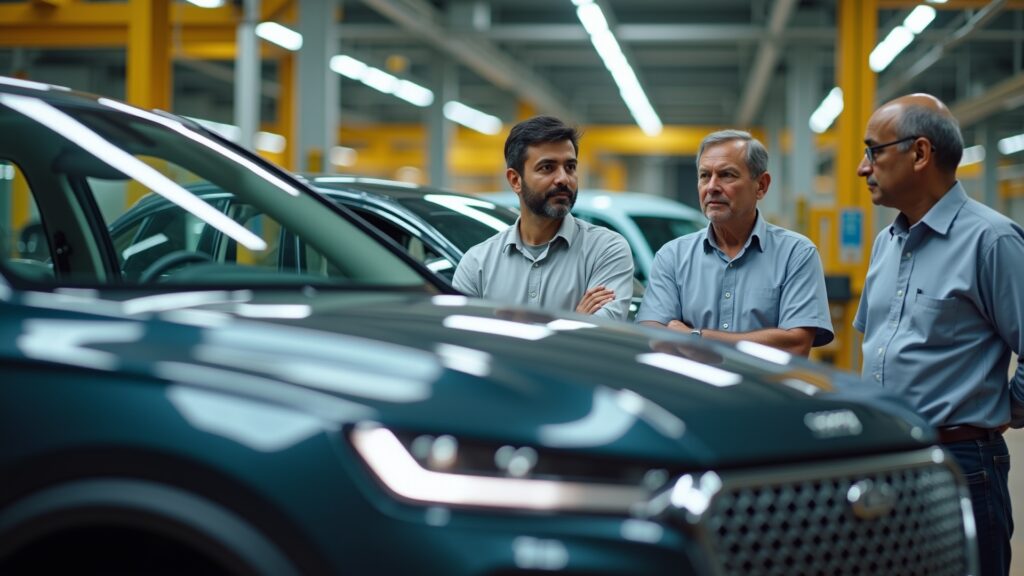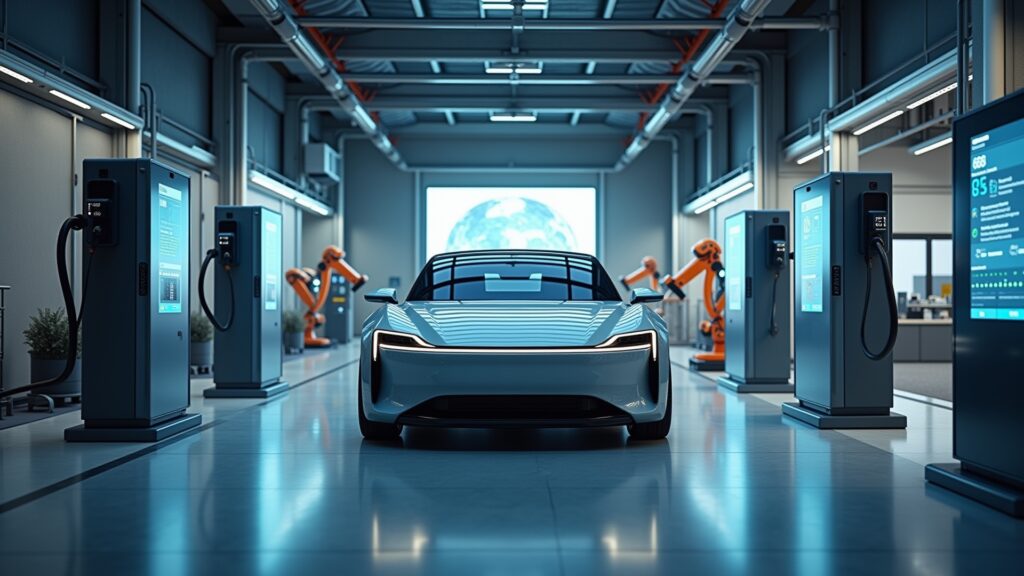










You stand at the cusp of a transformation that goes far beyond incremental improvements—automation is fundamentally reinventing how automotive manufacturing happens in India. This shift isn’t just a technical upgrade; it’s a strategic pivot that will impact your business operations, competitiveness, and growth trajectory in ways you must actively comprehend and leverage.
Why This Matters to You
As a decision-maker in India’s automotive ecosystem—whether an OEM leader, supplier stakeholder, or industry investor—you know that staying ahead requires more than product innovation. The future will be shaped by how efficiently and smartly you adapt your manufacturing floor, your workforce, and your supply chains. Automation in India automotive manufacturing presents an opportunity and a challenge: it promises higher productivity and quality, while demanding strategic investment, skilled labor transformation, and integration with your broader business goals around electric vehicles (EVs), exports, and localization.
What Is Happening in India’s Automotive Manufacturing?
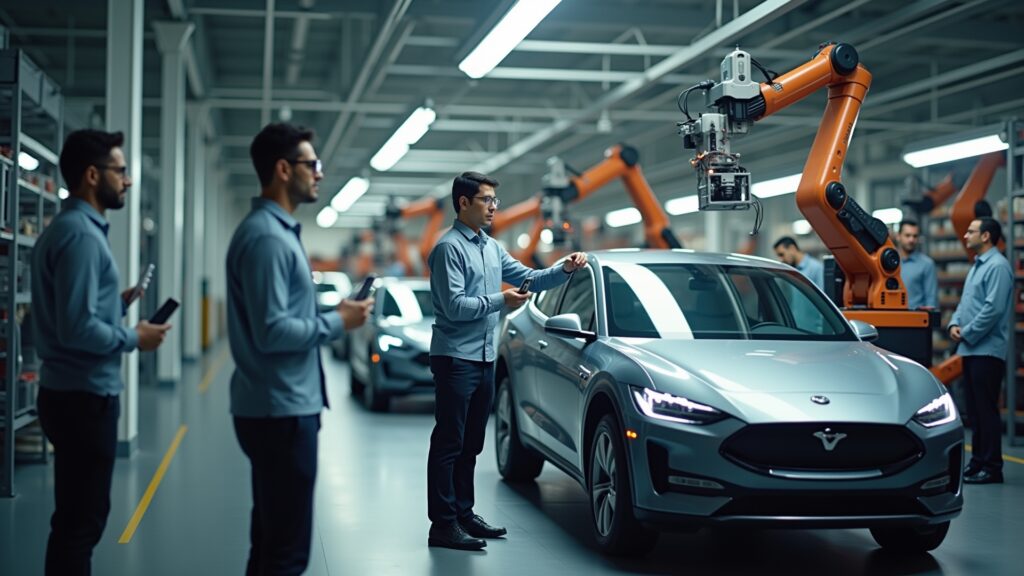
The Indian automotive industry is rapidly embracing automation technologies such as robotics, AI-based quality control systems, and interconnected smart assembly lines. This wave is not simply about replacing manual workforce elements but about reengineering the manufacturing value chain to meet new demands—especially those arising from the EV and hybrid vehicle segments, which require specialized precision and flexibility.
This shift is closely aligned with national efforts like Make in India and Production Linked Incentive (PLI) schemes, which incentivize manufacturers to deepen localization, enhance quality to global standards, and boost export potential. Automation is becoming the backbone for scaling sustainable, resource-efficient production that India aspires to project on the global stage.
Strategic Impact on Your Automotive Business
Integrating automation impacts multiple dimensions of your operation:
- Manufacturing Agility: Automated production lines enable faster model transitions and support customization, essential in a market pivoting toward EVs and hybrids.
- Quality and Reliability: AI-driven inspection reduces defects and variability, crucial as Indian manufacturers target stringent export quality requirements.
- Supply Chain Resilience and Localization: Automation supports closer integration with local suppliers, reducing dependencies and mitigating risks from global disruptions.
- Resource Optimization and Sustainability: Industry 4.0 technologies can optimize energy usage and material waste, which improves margins and aligns with global sustainability expectations.
“In the automobile industry, speed is valuable — but strategic timing creates lasting advantage.”
Deepening Your Understanding: Beyond The Assembly Line
Automation brings more than efficiency; it redefines your workforce and technological ecosystem. Expect a demand surge for specialized skills in robotic maintenance, software integration, and advanced data analytics. This requires a strategic talent development roadmap to keep pace without disrupting your operational timelines.
Additionally, automation ties closely to India’s EV transition strategy. Automated systems allow precision in battery pack assembly, electronic component integration, and compliance testing—areas where manual processes often struggle to meet the rigor required.
Actionable Insights for Your Next Steps
- Evaluate where automation can yield the most immediate impact—often in quality control and smart assembly.
- Work closely with industry bodies and policymakers to align investments with government incentives like PLI schemes.
- Prioritize workforce upskilling programs focused on robotics and data analytics to avoid talent shortages.
- Invest in flexible manufacturing systems that can adapt quickly to changing model requirements and new EV architectures.
- Explore partnerships with technology providers specializing in Industry 4.0 to accelerate digital integration.
“The real edge is not only in building vehicles, but in controlling the technology, supply chain, and customer experience behind them.”
Risks and Challenges You Should Manage
While promising significant gains, automation adoption is not without pitfalls. High upfront capital expenditure requires careful financial planning and a clear return on investment horizon. Furthermore, if workforce transformation lags, you risk bottlenecks that erode expected productivity improvements.
Cybersecurity also emerges as a concern with increased digitization. Ensuring resilient IT frameworks to protect connected manufacturing systems is essential to safeguard operational continuity.
What to Watch Next in Automation and Indian Automotive Manufacturing
Keep an eye on how Indian OEMs leverage automation to scale EV and hybrid production domestically. This will heavily influence the supply chain and component ecosystem, opening new opportunities for specialized suppliers.
Also monitor policy shifts that may expand or refine incentives under Make in India and PLI programs to support Industry 4.0 investments.
Watch for emerging collaborations between Indian companies and global technology firms, signaling increasing sophistication in software-defined manufacturing platforms and smart factory deployments.
“When manufacturing strength, policy clarity, and market demand align, automotive growth becomes far more scalable.”
Conclusion: Automation as Your Strategic Imperative
Automation in India automotive manufacturing is not a trend but a strategic necessity. As competition intensifies globally and the shift toward EVs accelerates, your ability to strategically implement automation will define your position in the market and your export capabilities. To succeed, collaboration between business leaders, technology providers, policymakers, and workforce developers is essential. Embracing this transformation decisively will empower you to realize higher efficiency, superior product quality, and sustainable growth, securing your leadership in the evolving automotive landscape.