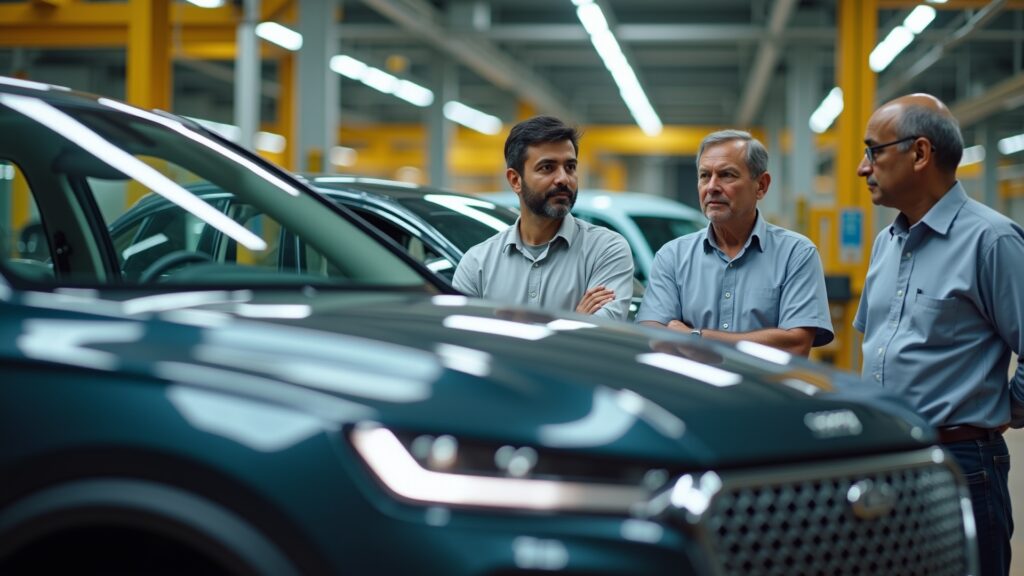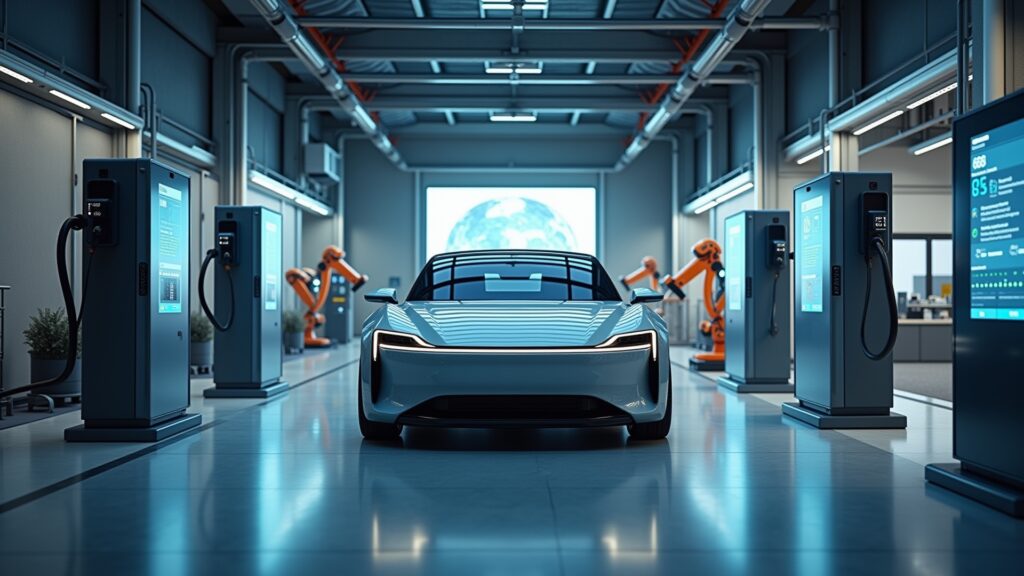
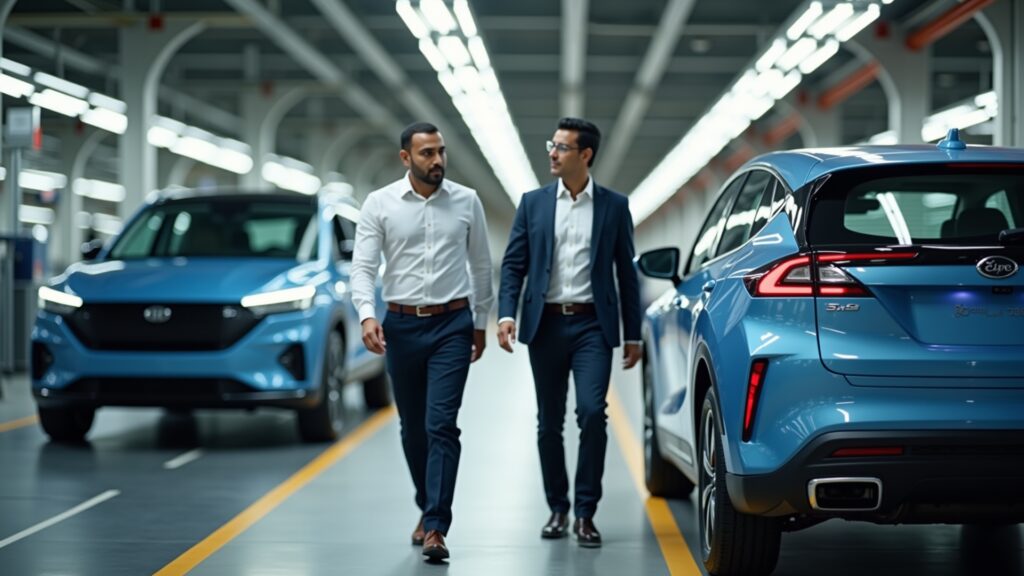
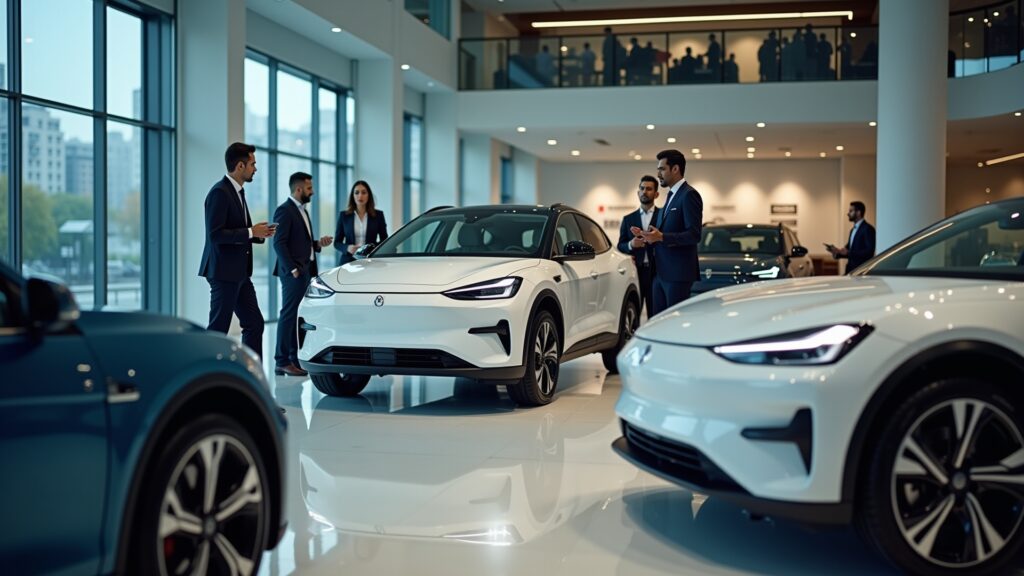










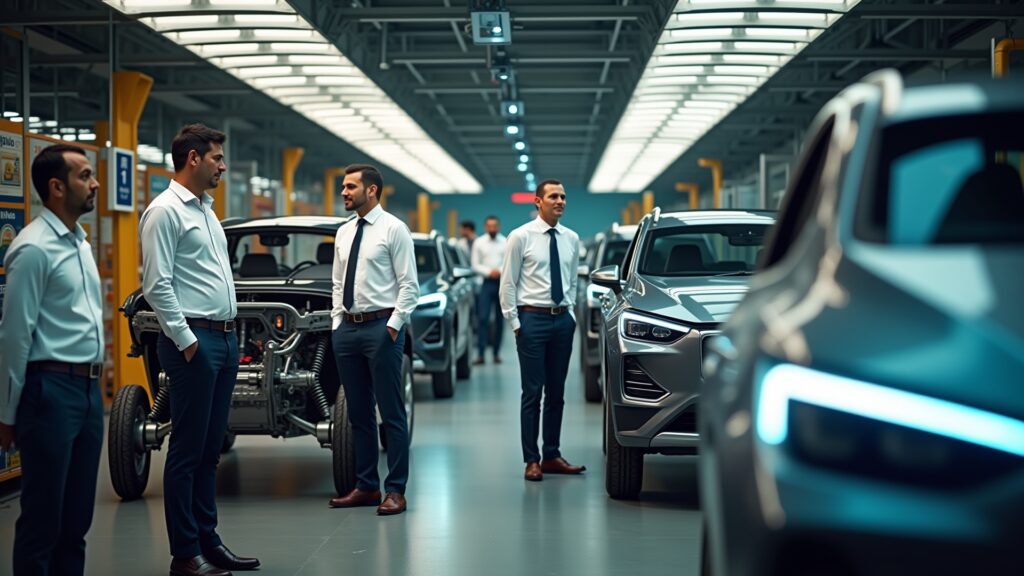
As a leader in the automotive business ecosystem, you must be acutely aware that India’s auto industry is not just on a path to growth—it’s gearing up for record-breaking sales by FY26. This is far more than a headline statistic; it represents a strategic inflection point for anyone invested or involved in India’s automotive landscape. Understanding the drivers behind this growth will enable you to anticipate market shifts, optimize your investments, and position your enterprise for long-term success.
Why This Growth Matters to You
Whether you lead an OEM, are steering a component manufacturing unit, or consult on automotive market strategy, India’s projected auto sales surge by FY26 demands your attention. It signals a profound transformation in manufacturing scale, supply chain resilience, and product innovation—areas crucial for maintaining competitive advantage. The implications extend beyond domestic demand, as India ascends as a global export hub amid evolving government policies and rising electrification trends. Your decisions today can leverage these changes to drive superior profitability and sustainability.
The Dynamics Behind the Surge
The Indian automotive sector’s trajectory towards unprecedented sales heights is anchored in several interconnected developments:
- Robust Localisation and Manufacturing Expansion: Investments in domestic production facilities and the strengthening of a local supplier ecosystem are diminishing dependency on volatile global supply chains, reducing costs, and enhancing production agility.
- Electrification and Portfolio Diversification: OEMs are rapidly recalibrating their line-ups to include electric and hybrid vehicles. This pivot is not just a response to regulatory frameworks but a strategic entry into emerging consumer segments hungry for sustainable mobility options.
- Government Policy and Incentives: Manufacturing and export incentives, technology adoption push, and infrastructure development create a conducive environment for growth and innovation.
- Supply Chain Resilience: The focus on localisation ensures continuity and adaptability amid frequent global disruptions, strengthening India’s global competitiveness.
Strategic Implications for Your Business
From a strategic standpoint, these developments redefine the contours of the Indian automotive industry. As the market swells, the traditional paradigms of product development, sourcing, and market engagement evolve with it.
- Embrace Localisation as a Core Strategy: Integrate local suppliers more deeply into your value chain and collaborate on technology and quality improvements to drive down costs while safeguarding supply continuity.
- Invest in EV and Hybrid Technologies: Accelerate your R&D and manufacturing capabilities on electrification. The future is software-defined vehicles; ensure your product roadmap includes connected, software-centric mobility solutions.
- Leverage Policy and Export Incentives: Align your business plans to avail government schemes for manufacturing upgrades and export facilitation, fortifying your cost competitiveness and global market access.
- Focus on Supply Chain Agility: Develop a flexible supplier network to respond swiftly to disruptions and innovate rapidly in materials and components, especially in battery technology and charging infrastructure.
Practical Takeaways to Lead the Market
- Understand that India’s FY26 auto sales growth is not just volume expansion, but a signal of structural evolution—adapt your strategies accordingly.
- Monitor government policies closely, particularly those targeting manufacturing and EV ecosystem support, as they will shape your operating environment.
- Invest in digital and software capabilities; connected vehicle technologies are rapidly becoming market differentiators.
- Collaborate with local suppliers and innovation partners to boost your supply chain strength and reduce overreliance on imports.
- Anticipate and respond to shifts in consumer demand towards electric and hybrid vehicles to capture emerging market segments effectively.
“In the automobile industry, speed is valuable — but strategic timing creates lasting advantage.”
“The real edge is not only in building vehicles, but in controlling the technology, supply chain, and customer experience behind them.”
Risks and Challenges Ahead
Despite this promising outlook, you must remain vigilant about potential risks that could disrupt growth. Supply chain bottlenecks, raw material price volatility—especially for battery components—and the pace of infrastructure build-out for EV charging are critical stumbling blocks. Additionally, balancing cost and quality amid localisation drives can strain resources and partnerships. Effective risk management and agile strategy adjustments will be non-negotiable as the landscape evolves.
What You Should Watch Next
- Policy shifts related to emissions standards and incentive structures for EV adoption.
- Investments in battery manufacturing and charging infrastructure development across India.
- New partnerships or joint ventures between domestic players and global tech firms focusing on software-defined vehicles.
- Export trends indicating India’s positioning in the global automotive value chain.
- Consumer adoption patterns of electric and hybrid vehicles, and corresponding dealer network innovations.
Conclusion: Navigating India’s Auto Industry Growth Through Strategic Vision
India’s FY26 auto sales growth is emblematic of a wider industrial transformation—one anchored in sustainable technology adoption, local manufacturing prowess, and dynamic market evolution. As a decision-maker in this ecosystem, your strategic acumen in embracing localisation, electrification, and digital innovation will determine your place in the next chapter of the automotive narrative. Harness these insights not just to witness growth, but to drive it, ensuring your organization thrives amid the opportunities and challenges of a rapidly evolving India auto industry.
“When manufacturing strength, policy clarity, and market demand align, automotive growth becomes far more scalable.”